



















































Search engine optimisation in 2026 is more advanced, more competitive, and more closely tied to real user experience than ever before.
Search engines no longer reward websites simply for adding keywords or building random links. They reward clarity, performance, relevance, and trust.
For businesses, marketers, and website owners, this shift brings one clear message. Regular SEO audits are essential.
An SEO audit helps you understand how your website performs across technical health, content quality, on page optimisation, backlinks, and user engagement. It shows what is working well and what is holding your site back. Most importantly, it gives you a clear plan for improvement.
In this detailed guide, we will explore the 10 best SEO audit tools in 2026. You will learn what each tool does best, who should use it, and how it fits into a modern SEO workflow.
Let us begin by understanding why SEO audits matter more than ever in 2026.
Why SEO Audits Matter More in 2026
Search engines now rely heavily on artificial intelligence and machine learning systems. These systems analyse websites at scale and evaluate hundreds of signals in real time. Even small issues can affect visibility if they reduce clarity or trust.
An SEO audit helps you
- Ensure search engines can crawl and index your site correctly
- Improve site speed and page experience
- Fix mobile usability issues
- Identify content gaps and weak pages
- Reduce risk from poor quality backlinks
- Align your website with current ranking signals
SEO audits are not a one time task. They are an ongoing process. Websites change, competitors improve, and algorithms evolve. Regular audits help you stay ahead instead of reacting after rankings drop.
If you want to understand how professional audits fit into a broader strategy, our guide on importance of SEO services explains how different SEO factors work together for busienss growth.
Now let us explore the best SEO audit tools available in 2026.
1. Google Search Console
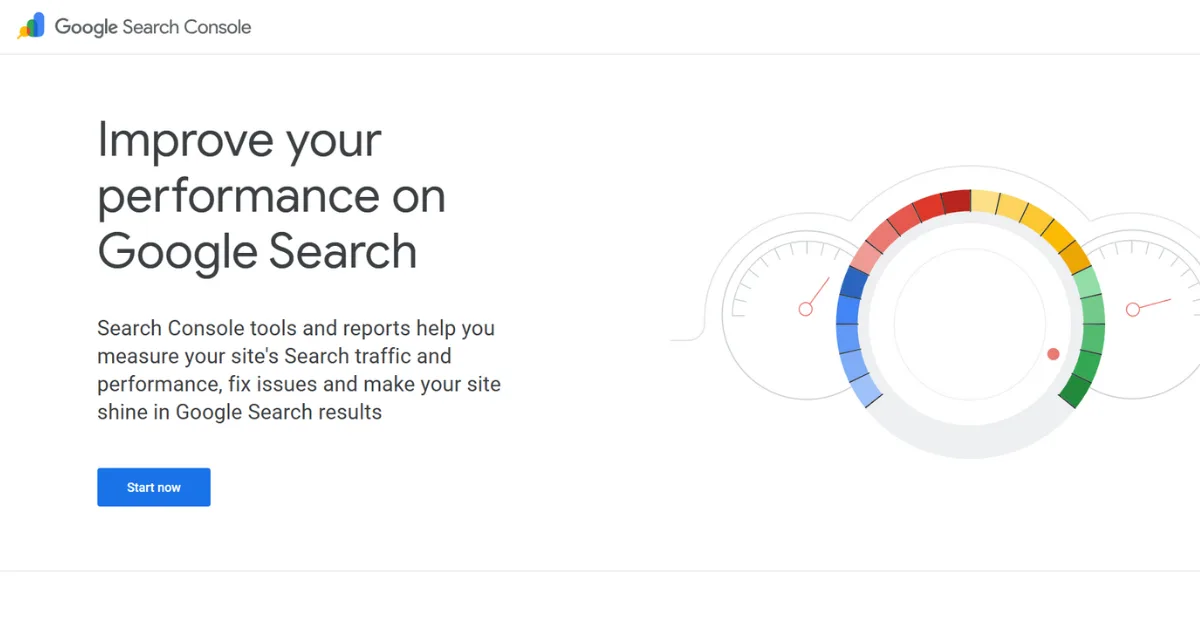
Google Search Console is the most important free SEO audit tool available today. It provides direct insight from Google itself, making it a must use platform for every website.
What It Helps You Audit
- Indexing and crawl status
- Coverage errors and warnings
- Core Web Vitals performance
- Mobile usability
- Manual actions and security issues
- Search queries and page impressions
Why It Is Essential in 2026
Search engines are more selective about what they index. Google Search Console shows exactly which pages are indexed and which are not. It also highlights performance and experience issues that can affect rankings.
In 2026, page experience signals play a major role in visibility. Core Web Vitals data inside Search Console helps you prioritise speed and stability improvements.
Who Should Use It
- All website owners
- SEO beginners and professionals
- Technical and content audits
Limitations
- No competitor analysis
- Limited backlink insights
- No full site crawl visualisation
Despite its limits, every SEO audit should start here. At 1Solutions, we always begin audits with Search Console to establish a reliable baseline.
2. Google Analytics
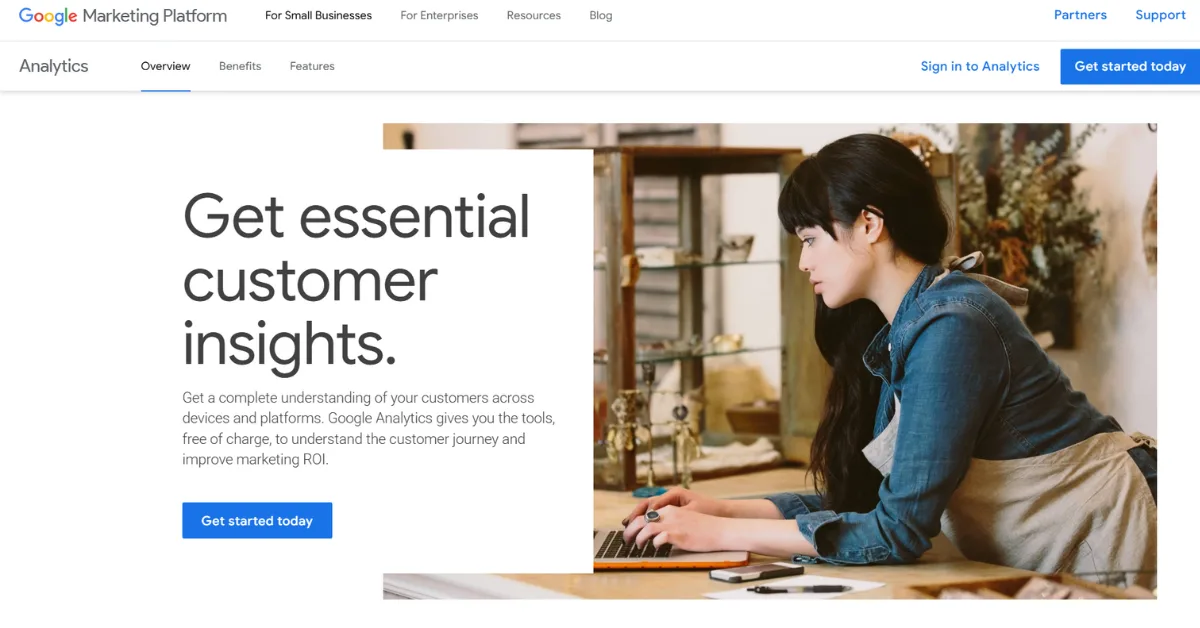
Google Analytics is not an SEO audit tool in the traditional sense, but it is essential for understanding how organic traffic behaves on your site.
What It Helps You Audit
- Organic traffic trends
- Landing page performance
- User engagement metrics
- Conversions and goals
- Content effectiveness
Why It Matters for SEO Audits
Search engines care deeply about user experience. Pages that attract visitors but fail to engage them often lose visibility over time. Google Analytics helps you identify pages with high traffic but low engagement so they can be improved.
In 2026, SEO success is closely linked to conversion and value. Analytics data helps connect rankings with real business outcomes.
Who Should Use It
- Businesses focused on growth
- Content driven websites
- Ecommerce stores and service providers
Limitations
- Does not show technical SEO issues
- Requires proper setup and interpretation
When combined with technical audit tools, Google Analytics adds critical context that pure SEO tools cannot provide.
3. Ahrefs
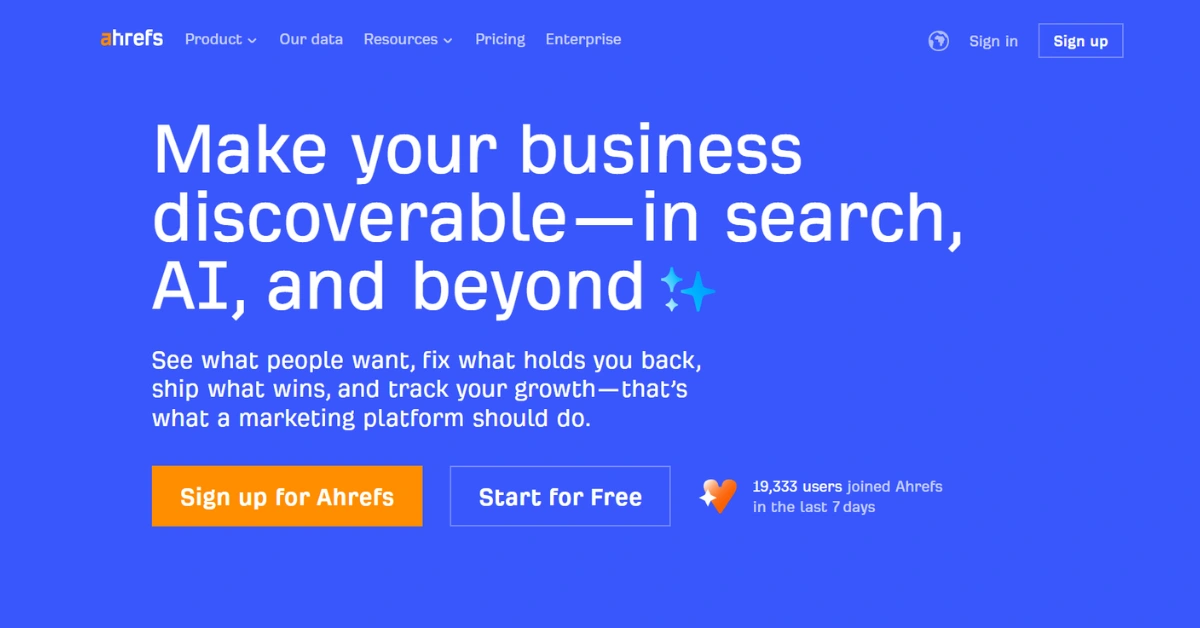
Ahrefs is one of the most powerful paid SEO audit tools available in 2026. It is widely known for backlink analysis, but its site audit features are equally strong.
What It Helps You Audit
- Technical SEO issues
- Internal linking structure
- Backlink profile quality
- Broken pages and redirects
- Competitor gaps
Why Ahrefs Stands Out
Ahrefs has one of the largest and most accurate backlink databases in the industry. In 2026, link quality matters far more than link volume. Ahrefs helps you identify harmful links, lost opportunities, and competitor strategies.
Its site audit tool prioritises issues based on severity, making it easier to focus on what matters most.
Who Should Use It
- SEO professionals and agencies
- Websites competing in tough niches
- Link focused strategies
Limitations
- Paid tool with limited free access
- Can feel complex for beginners
For serious SEO growth, Ahrefs is a strong long term investment.
4. SEMrush
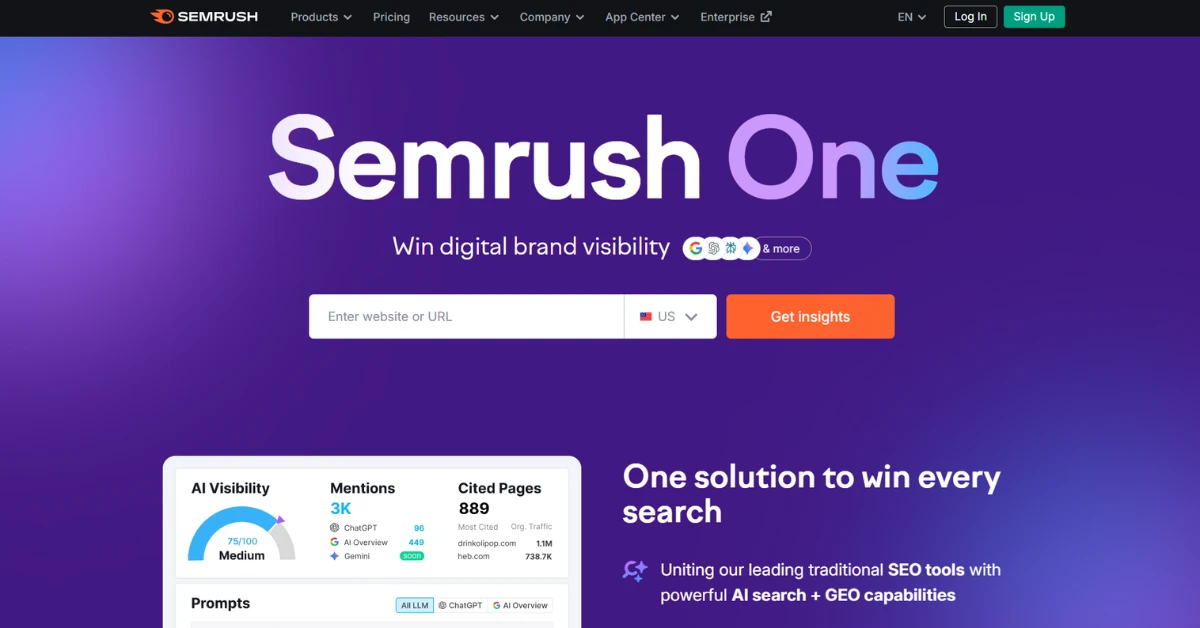
SEMrush is an all in one marketing platform with a comprehensive SEO audit tool. It is popular among agencies and in house marketing teams.
What It Helps You Audit
- Technical SEO health
- On page optimisation
- Site structure issues
- Keyword rankings
- Competitor performance
Why SEMrush Is Popular in 2026
SEMrush connects audit data with keyword research and content tools. This makes it easier to move from diagnosis to action. Its reporting features are also excellent for client communication.
At 1Solutions, SEMrush is often used alongside manual analysis to build data driven SEO roadmaps.
Who Should Use It
- Businesses managing ongoing SEO
- Agencies needing clear reports
- Content and keyword focused teams
Limitations
- Higher cost at advanced levels
- Large amount of data to process
SEMrush works best when guided by clear goals and expert interpretation.
5. Screaming Frog
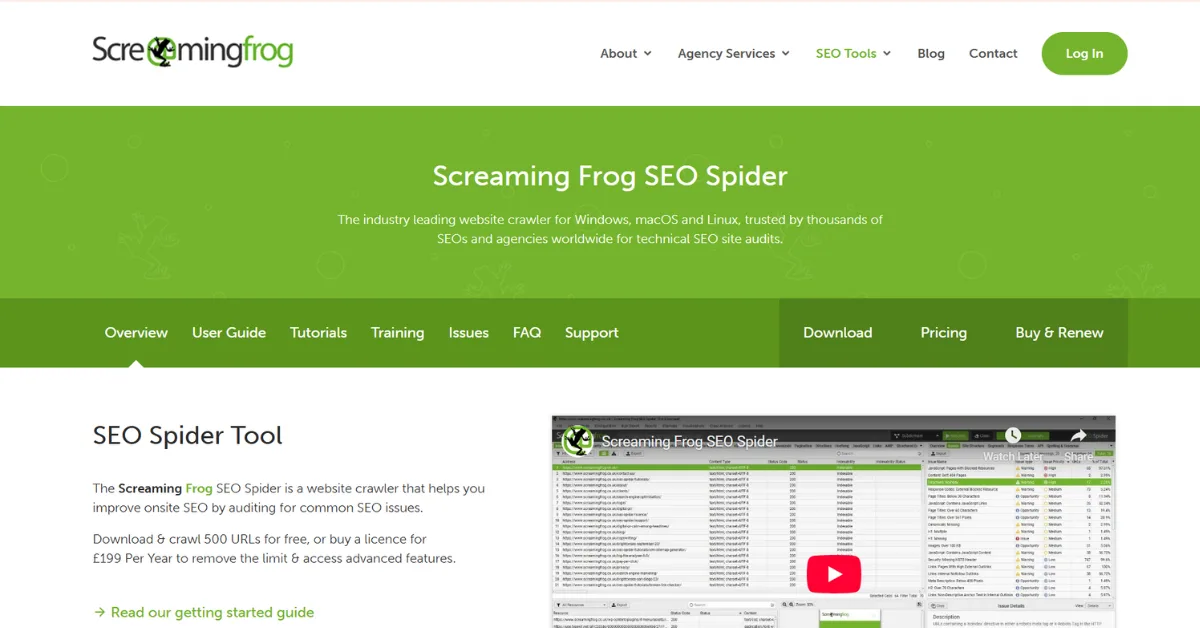
Screaming Frog remains a favourite tool for technical SEO audits. It allows deep crawling and analysis of website structure.
What It Helps You Audit
- Broken links and errors
- Redirect chains
- Meta titles and descriptions
- Duplicate content
- JavaScript rendered pages
Why It Is Still Critical in 2026
Modern websites often use complex frameworks and dynamic content. Screaming Frog allows you to see exactly how search engines crawl your site, including JavaScript elements.
This level of control is essential for large websites and advanced technical audits.
Who Should Use It
- Technical SEO specialists
- Large websites
- Development focused teams
Limitations
- Desktop based software
- Steeper learning curve
- Free version has crawl limits
This tool is powerful but best used with experience or professional guidance.
6. Moz
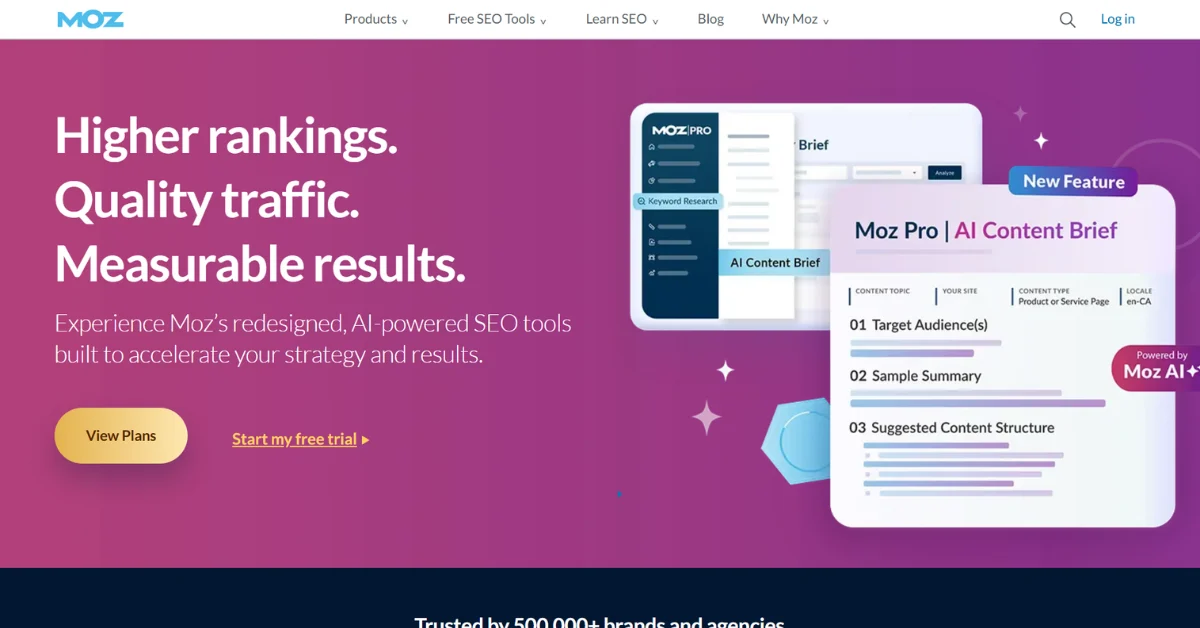
Moz offers a user friendly SEO audit tool that focuses on clarity and accessibility.
What It Helps You Audit
- Site crawl issues
- On page optimisation
- Keyword tracking
- Link metrics
- Domain authority trends
Strengths in 2026
Moz is known for its easy to understand reports. This makes it ideal for business owners who want insight without feeling overwhelmed by data.
Who Should Use It
- Small to medium businesses
- SEO beginners
- Teams needing simple insights
Limitations
- Smaller backlink index than Ahrefs
- Less technical depth
Moz is a solid choice for businesses starting their SEO journey.
7. Sitebulb
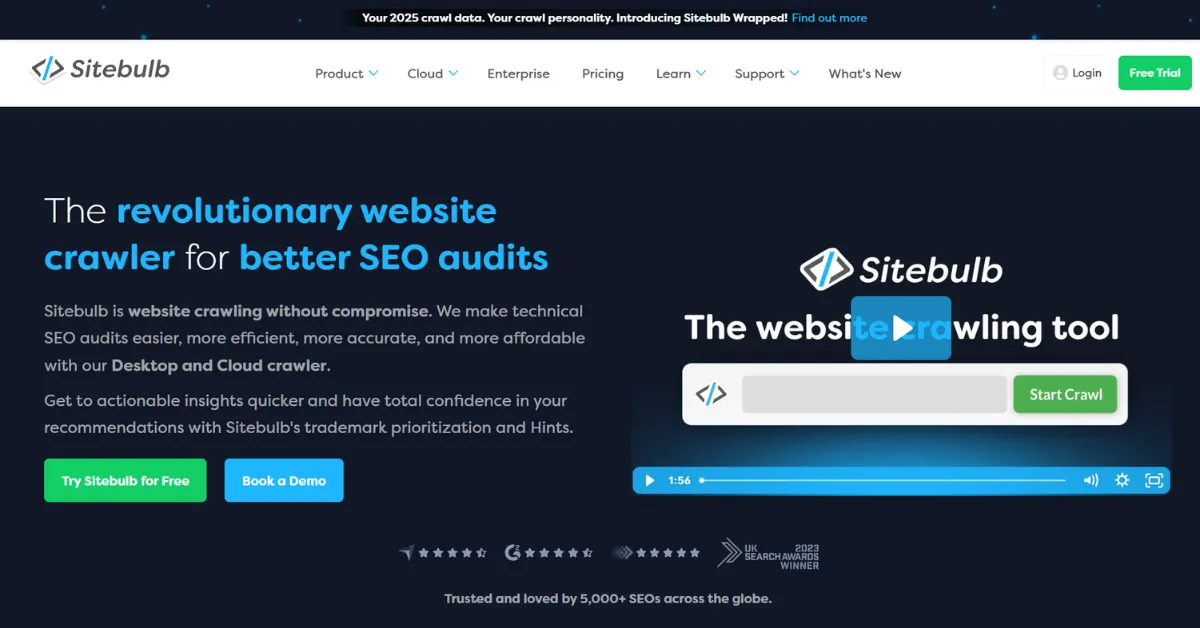
Sitebulb is a desktop based SEO audit tool designed with visual clarity in mind.
What It Helps You Audit
- Site architecture
- Internal linking
- Technical issues
- Page level insights
- SEO hints and explanations
Why Sitebulb Is Valuable
Sitebulb does not just show problems. It explains why they matter. This makes it easier to communicate audit findings to developers and decision makers.
In 2026, collaboration between SEO and development teams is more important than ever.
Who Should Use It
- Technical SEO teams
- Agencies working with developers
- Education focused audits
Limitations
- Paid software
- Desktop only
If you value explanation and visualisation, Sitebulb is a strong option.
8. Ubersuggest
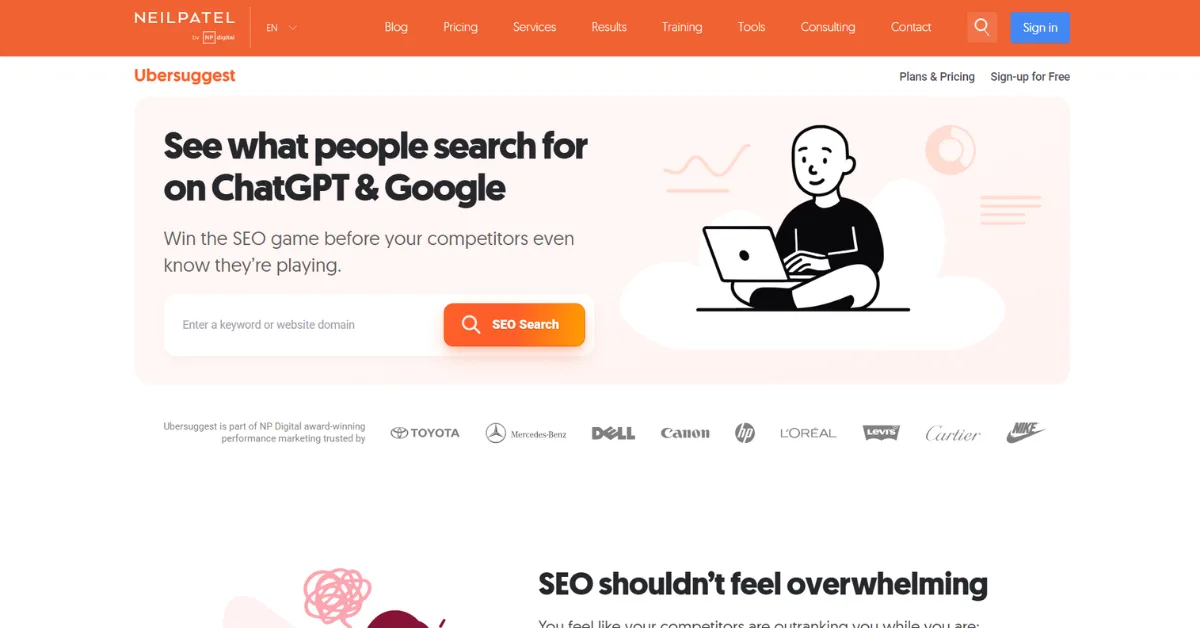
Ubersuggest is an affordable SEO tool that includes basic audit features.
What It Helps You Audit
- Site health overview
- On page SEO issues
- Keyword opportunities
- Backlink summaries
- Traffic estimates
Why It Appeals in 2026
Ubersuggest is accessible and budget friendly. It offers enough insight to identify major issues without overwhelming new users.
Who Should Use It
- Startups
- Small businesses
- SEO beginners
Limitations
- Limited depth for advanced audits
- Smaller datasets
Ubersuggest is best used as a starting point rather than a complete solution.
9. GTmetrix
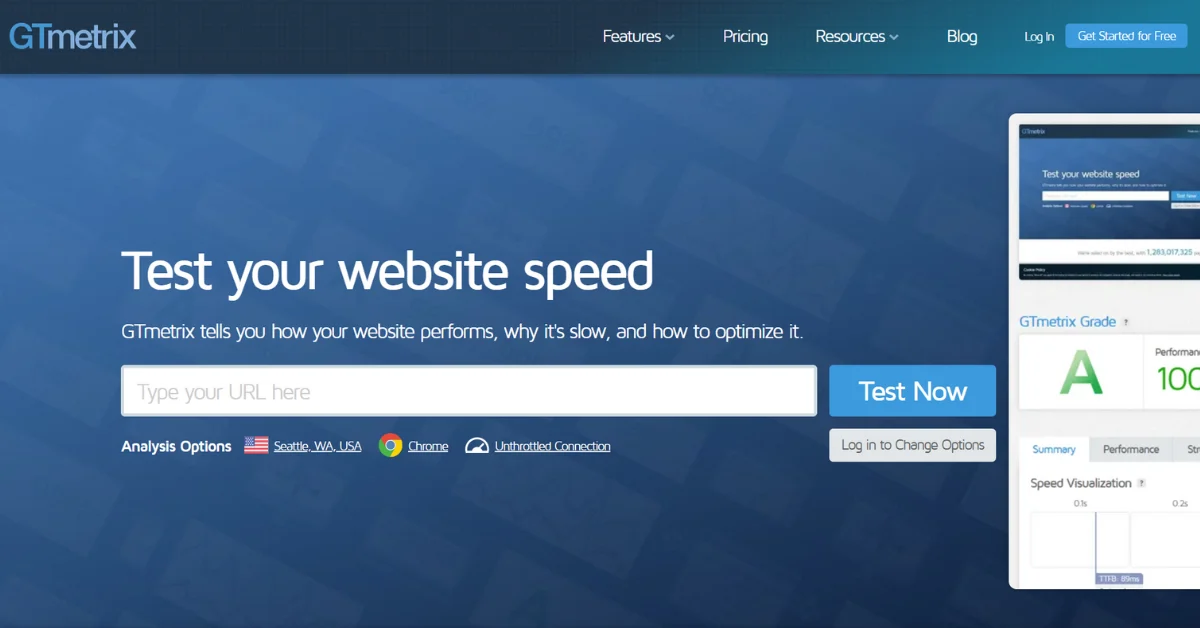
Website speed and performance are core ranking factors in 2026. GTmetrix focuses entirely on performance auditing.
What It Helps You Audit
- Page load speed
- Core Web Vitals metrics
- Performance bottlenecks
- Mobile and desktop speed
- Historical trends
Why It Matters for SEO
Slow websites frustrate users and lose rankings. GTmetrix provides clear recommendations for improving speed and stability.
Who Should Use It
- Performance focused audits
- Core Web Vitals optimisation
- Technical UX improvements
Limitations
- Not a full SEO audit tool
- Focuses only on speed
GTmetrix works best alongside broader SEO tools.
10. SEO Site Checkup
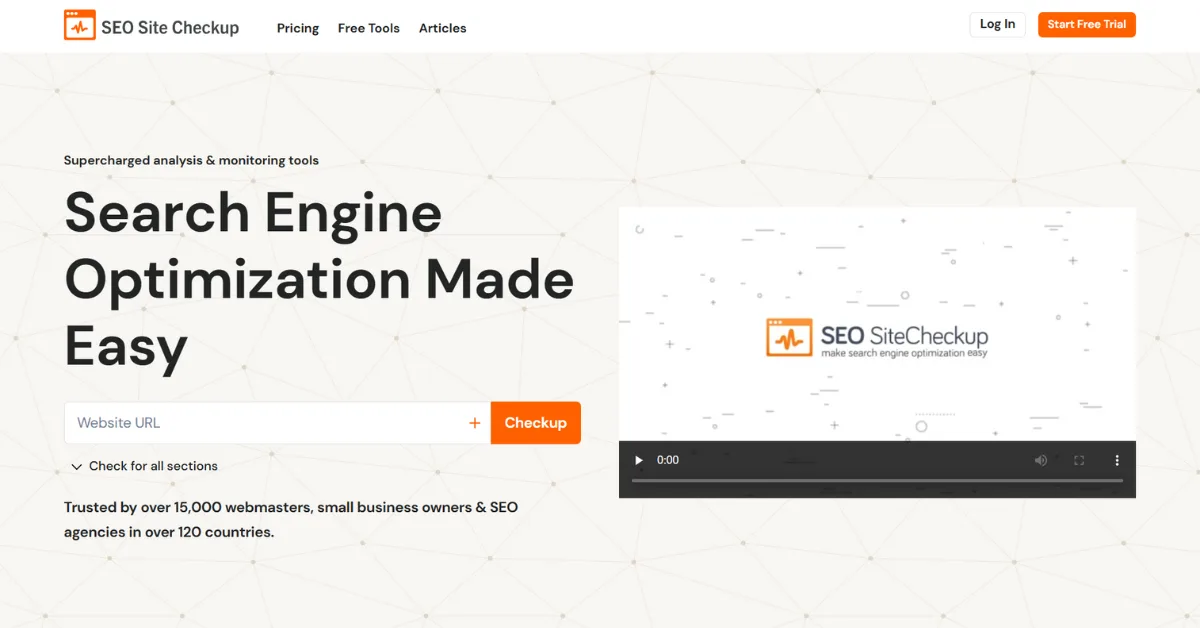
SEO Site Checkup provides fast and easy to understand SEO audits.
What It Helps You Audit
- On page SEO
- Technical errors
- Security issues
- SEO scoring
- Basic recommendations
Why Businesses Use It
SEO Site Checkup is popular for quick diagnostics and simple reporting. It is especially useful for small businesses and agencies needing clear summaries.
Who Should Use It
- Quick audits
- Client reporting
- Small websites
Limitations
- Limited customisation
- Not suitable for complex sites
It is a practical tool for fast insight and communication.
How to Choose the Right SEO Audit Tool in 2026
There is no single best tool for everyone. The right choice depends on your goals, experience, and website size.
Consider these questions
- Do you need deep technical analysis or simple guidance
- Are you auditing one site or many
- Do you need competitor insights
- Is reporting for clients important
- What budget is realistic
Many professionals use a combination of tools. For example, Google Search Console for indexing data, Screaming Frog for technical analysis, and Ahrefs or SEMrush for competition and links.
If you prefer expert support, our SEO audit service provides in depth analysis, clear prioritisation, and actionable recommendations tailored to your business.
Free vs Paid SEO Audit Tools in 2026
Choosing between free and paid SEO audit tools is a common challenge for businesses in 2026. Both types of tools have an important role to play, and understanding their strengths and limits will help you build a smarter and more effective SEO process.
There is no universal right answer. The best choice depends on your website size, competition level, growth goals, and internal expertise.
What Free SEO Audit Tools Are Best For
Free SEO audit tools are an excellent starting point. They provide essential insights without any financial commitment and are especially useful for small businesses, startups, and early stage websites.
Free tools typically help you
- Identify major technical issues such as indexing errors and broken pages
- Monitor search visibility and impressions
- Understand basic page experience and mobile usability
- Track organic traffic and user behaviour
- Spot obvious on page SEO gaps
Free tools are more powerful than ever. Platforms like Google Search Console and Google Analytics offer reliable data directly from Google. This makes them ideal for monitoring health, diagnosing sudden traffic changes, and validating whether fixes are working.
However, free tools usually focus on your own website only. They do not provide deep competitive insights, advanced link analysis, or large scale crawling capabilities. They also tend to report issues without prioritising them, which can make it difficult to decide what to fix first.
Free tools work best when
- Your website is small or medium sized
- You are just starting with SEO
- You want ongoing monitoring rather than deep analysis
- You have limited budget
They form the foundation of SEO but are rarely enough on their own for sustained growth in competitive markets.
What Paid SEO Audit Tools Are Best For
Paid SEO audit tools are designed for depth, scale, and strategy. They go beyond surface level checks and uncover issues that are easy to miss with free platforms.
Paid tools typically help you
- Perform full site crawls across thousands of pages
- Identify complex technical SEO problems
- Analyse backlink quality and risk
- Benchmark performance against competitors
- Discover keyword and content gaps
- Create structured and prioritised audit reports
In 2026, competition in search results is intense across most industries. Paid tools allow you to see not only what is happening on your site, but also what competitors are doing better. This insight is critical for planning growth rather than just fixing problems.
Paid tools also save time. They consolidate data, automate recurring audits, and present insights in a way that supports decision making. For agencies and growing businesses, this efficiency often outweighs the cost.
Paid tools are most valuable when
- You operate in a competitive niche
- Your website has hundreds or thousands of pages
- You rely on organic traffic for revenue
- You need competitor and backlink insights
- You want professional reporting and prioritisation
When used correctly, paid tools do not just identify issues. They support long term strategy.
Why the Best Approach Is Often a Combination
In practice, most successful SEO strategies in 2026 use both free and paid tools together.
Free tools provide trustworthy baseline data and ongoing monitoring. Paid tools add depth, competitive insight, and scalability. Together, they create a complete picture of website health and opportunity.
For example
- Free tools confirm indexing status and user behaviour
- Paid tools uncover technical weaknesses and competitor advantages
- Free tools track progress after fixes
- Paid tools guide future content and link strategies
At 1Solutions, this combined approach allows us to deliver audits that are both accurate and actionable. Tools provide the data, but expert analysis determines what truly matters for growth.
When Tools Alone Are Not Enough
It is important to remember that SEO audit tools do not make decisions. They highlight signals. Interpretation is where real value lies.
Two websites can receive the same audit score and require completely different actions. Business goals, audience intent, and market conditions all influence what should be prioritised.
This is why many businesses choose professional SEO audit services. Expert audits translate tool data into clear recommendations, realistic timelines, and measurable outcomes.
If your goal is long term visibility and consistent growth, tools are essential, but strategy is what turns insight into results.
Final Thoughts
SEO audits are no longer optional. In 2026, they are essential for growth, stability, and long term success. Search engines reward websites that are fast, clear, helpful, and trustworthy. Audits help you align with these expectations.
The tools listed above represent the best SEO audit tools free and paid in 2026. Each serves a different purpose. The real value comes from using them with insight and strategy.
At 1Solutions, we combine industry leading tools with expert analysis to deliver audits that drive results. If you want to improve visibility, performance, and conversions, start with a professional SEO audit and build your strategy on solid data.
Your website deserves clarity, confidence, and consistent growth. An SEO audit is the first step.











 in India