













































































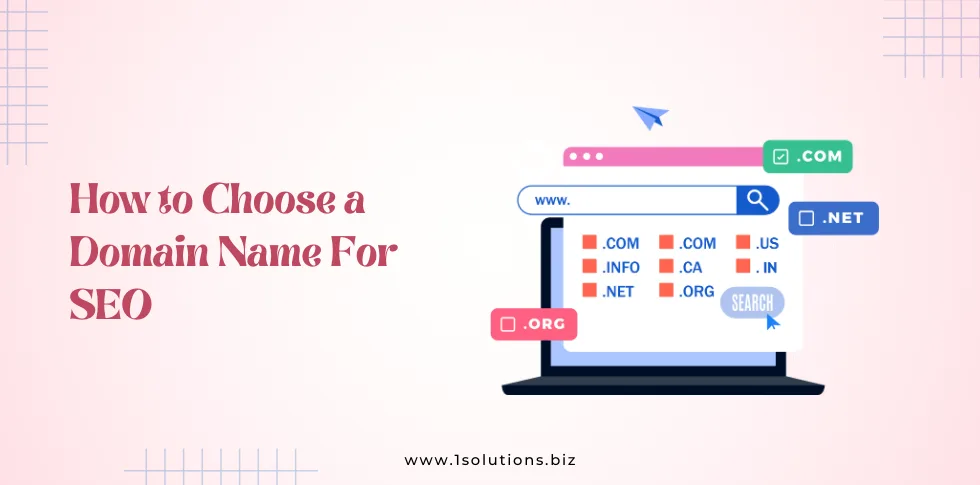
Your domain name serves as the foundation of your online presence. It’s the digital address where customers find your business, and it plays a crucial role in your search engine optimization strategy. Choosing the right domain name can boost your SEO efforts, while a poor choice might create unnecessary obstacles for your website’s visibility.
Many business owners underestimate how much their domain name affects their search rankings. Search engines like Google consider various domain factors when determining where your website appears in search results. Your domain choice influences everything from user trust to click-through rates and brand recognition.
This comprehensive guide will walk you through the essential steps to select an SEO-friendly domain name that supports your long-term digital marketing goals. You’ll learn about best practices, common mistakes to avoid, and practical strategies that can give your website a competitive edge in search results.
Why Your Domain Name Matters for SEO
Search engines evaluate hundreds of ranking factors when determining your website’s position in search results. Your domain name contributes to several of these factors, making it a critical component of your SEO strategy.
Google and other search engines use your domain name to understand what your website is about. A well-chosen domain can provide context about your business, industry, or target keywords. This helps search engines categorize your content and match it with relevant user queries.
User behavior also plays a significant role in SEO success. People are more likely to click on domain names that appear trustworthy, relevant, and professional. Higher click-through rates send positive signals to search engines, which can improve your rankings over time.
Domain age and history matter too. Older domains often have more authority, but this doesn’t mean new domains can’t succeed. What matters most is choosing a domain that aligns with your business goals and SEO strategy from the start.
Brand Recognition and Trust Factors
Your domain name serves as your brand’s first impression online. Users make split-second decisions about whether to trust and visit your website based partly on your domain name. A professional, memorable domain builds confidence and encourages clicks.
Trust signals embedded in your domain name can significantly impact your SEO performance. Users who trust your domain are more likely to spend time on your site, share your content, and return for future visits. These positive user engagement metrics contribute to better search rankings.
Brandable domain names often perform better than generic keyword-stuffed domains. They’re easier to remember, type, and share, which leads to more direct traffic and brand searches. Both of these factors positively influence your SEO performance.
Key Elements of SEO-Friendly Domain Names
Several specific characteristics make domain names more SEO-friendly. Understanding these elements will help you evaluate potential domain options and make an informed decision that supports your search optimization goals.
Length plays a crucial role in domain effectiveness. Shorter domains are generally better for SEO because they’re easier to remember, type, and share. They also look cleaner in search results and are less prone to typos that could redirect traffic to competitors.
Character choice matters significantly. Stick to letters and numbers while avoiding hyphens, underscores, or special characters. These can confuse users and search engines alike. Clean, simple domains perform better across all digital marketing channels.
Keyword Integration vs. Brand Focus
The debate between keyword-rich domains and brandable names has evolved significantly. While exact match domains once provided substantial SEO benefits, Google’s algorithm updates have reduced their impact and increased the importance of overall website quality.
Modern SEO strategy favors brandable domains that can incorporate relevant keywords naturally. For example, a law firm might choose “SmithLegalGroup.com” rather than “BestDivorceLawyerNYC.com.” The branded approach provides flexibility for business growth while maintaining SEO value.
Consider your long-term business goals when making this decision. A keyword-heavy domain might help initially but could limit your expansion options. A strong brand name can support multiple service areas and geographic expansion without requiring domain changes.
Geographic and Local SEO Considerations
Local businesses face unique domain naming challenges. Including your city or region in your domain can boost local SEO performance, but it may limit expansion opportunities. Evaluate whether geographic specificity aligns with your business model.
For businesses serving multiple locations, a branded domain often works better than location-specific options. You can still optimize for local searches through other SEO strategies while maintaining domain flexibility for growth.
Consider how your target audience searches for your services. If customers frequently include location terms in their searches, a geographic domain might provide value. However, remember that local SEO success depends on many factors beyond just your domain name.
Domain Extension Selection Strategy
Your domain extension, or top-level domain (TLD), affects both SEO performance and user perception. The extension you choose should align with your business type, target audience, and geographic focus.
.com remains the gold standard for most businesses. It carries the highest level of user trust and recognition globally. Unless you have specific reasons to choose otherwise, .com domains typically provide the best SEO foundation for commercial websites.
Country-specific extensions like .co.uk or .ca can benefit businesses targeting specific geographic markets. These extensions can help with local SEO and provide immediate geographic context to users and search engines.
New Generic Top-Level Domains
The introduction of hundreds of new TLDs has created more options but also more complexity. Extensions like .marketing, .lawyer, or .restaurant can provide immediate context about your business but may not carry the same trust level as established extensions.
Google treats new TLDs equally from an algorithm perspective, but user behavior varies significantly. Many users still prefer and trust traditional extensions. Test your target audience’s response to newer TLDs before making a final decision.
Consider the memorability factor of newer extensions. While .marketing might seem perfect for your agency, users might default to typing .com when trying to remember your website. This could send traffic to competitors or create confusion.
Technical SEO Factors in Domain Selection
Technical considerations play a crucial role in domain selection for SEO. These factors might not be immediately obvious but can significantly impact your website’s search performance over time.
Domain history requires careful evaluation before purchase. Previously owned domains might carry penalties or spam associations that could harm your SEO efforts. Use tools to check the domain’s backlink profile and historical content before committing to a purchase.
SSL compatibility and HTTPS implementation are now standard requirements. Ensure your chosen domain can easily accommodate secure connections, as this affects both SEO rankings and user trust. Modern browsers actively warn users about non-secure websites.
Mobile and Voice Search Optimization
Mobile usage continues to dominate web traffic, making mobile-friendly domain considerations essential. Shorter domains are easier to type on mobile devices and less prone to errors that could frustrate users.
Voice search is changing how users interact with websites. Choose domains that are easy to pronounce and spell phonetically. Avoid numbers that could be confused when spoken (like “4” vs “for”) and complex letter combinations that might be misunderstood.
Consider how your domain sounds when spoken aloud. As voice assistants become more prevalent, domains that are easy to say and understand will have advantages in voice search results and user sharing.
Research and Validation Process
Thorough research prevents costly domain mistakes that could impact your SEO strategy. This process involves multiple steps to ensure your chosen domain supports your optimization goals.
Start by brainstorming domain options that align with your brand and SEO objectives. Create a list of potential names, considering various combinations of your brand name, relevant keywords, and business focus areas.
Check domain availability across multiple extensions simultaneously. Sometimes a slight variation or different extension might provide better opportunities while maintaining your brand identity.
Competitive Analysis and Market Research
Analyze your competitors’ domain strategies to identify opportunities and avoid common pitfalls. Look at successful businesses in your industry to understand what domain characteristics contribute to their success.
Research trademark issues thoroughly before finalizing your domain choice. Using a domain that infringes on existing trademarks can lead to legal problems and force costly rebranding efforts that damage your SEO progress.
Consider future business expansion when evaluating domains. A domain that works for your current services might become limiting as your business grows. Choose names that can accommodate evolution and expansion.
Testing User Response and Memorability
Test potential domains with real users before making your final decision. Ask trusted colleagues, customers, or focus groups about their impressions of different domain options. Their feedback can reveal issues you might miss.
Evaluate memorability by sharing domain options verbally and testing recall after a few days. Domains that are easily forgotten won’t benefit from word-of-mouth marketing or direct traffic, both important SEO factors.
Consider how your domain looks in search results. Search engines display domains prominently, so choose names that look professional and relevant when shown alongside your page titles and descriptions.
Implementation and Technical Setup
Once you’ve selected your SEO-friendly domain, proper implementation ensures you maximize its potential benefits. The technical setup process affects how quickly search engines discover and index your website.
Configure DNS settings correctly from the start. Proper DNS configuration ensures your website loads quickly and reliably, factors that directly impact SEO performance. Work with experienced developers to avoid common configuration mistakes.
Implement SSL certificates immediately to secure your domain. Search engines favor secure websites, and users expect encryption protection. Modern browsers actively discourage visits to non-secure websites, which could harm your SEO efforts.
Domain Redirects and URL Structure
Plan your URL structure carefully to complement your SEO-friendly domain. Clean, logical URLs that incorporate relevant keywords provide additional SEO benefits and improve user experience.
If you’re migrating from an existing domain, implement proper 301 redirects to preserve your SEO equity. Poor redirect implementation can result in significant ranking losses that take months to recover.
Consider how your domain works with your broader technical SEO strategy. Your domain choice should support rather than complicate your optimization efforts across all technical aspects of your website.
Common Domain Selection Mistakes
Learning from common mistakes can save you from costly errors that damage your SEO performance. Many businesses make domain decisions without fully considering their long-term implications.
Choosing overly complex domains is a frequent mistake. Domains with multiple hyphens, numbers, or confusing spellings create barriers for users and search engines. Keep your domain simple and intuitive.
Ignoring trademark issues can lead to serious legal and SEO problems. Always research existing trademarks in your industry before finalizing your domain choice. Legal challenges can force domain changes that destroy your SEO progress.
Avoiding Short-Term Thinking
Many businesses choose domains based on immediate needs without considering future growth. This short-term thinking can create limitations that hurt long-term SEO success.
Trend-based domains might seem appealing initially but can become dated quickly. Choose timeless names that won’t require changes as market conditions or business models evolve.
Don’t sacrifice brand potential for short-term keyword gains. While keyword-rich domains might provide immediate benefits, brandable domains often perform better over time as your SEO strategy matures.
Domain Name Tools and Resources
Various tools can help you research, validate, and select the perfect SEO-friendly domain name. These resources streamline the selection process and help avoid common pitfalls.
Domain suggestion tools generate ideas based on your keywords and preferences. These tools can reveal available options you might not have considered while ensuring they meet SEO best practices.
Historical data tools reveal information about previously owned domains. Check backlink profiles, previous content, and any penalties associated with domains you’re considering. This research prevents inheriting SEO problems.
Analytics and Tracking Setup
Prepare analytics tracking before launching your new domain. Proper tracking helps you measure the SEO impact of your domain choice and make data-driven optimization decisions.
Set up Google Search Console and Google Analytics to monitor your domain’s performance from day one. Early data collection provides baselines for measuring your SEO progress over time.
Consider how your domain choice affects your ability to track and measure SEO success. Domains that support clear attribution and tracking provide better insights for optimization efforts.
Integration with Overall SEO Strategy
Your domain name should complement rather than conflict with your broader SEO strategy. Consider how your domain choice affects all aspects of your search optimization efforts.
Link building efforts can be enhanced or hindered by your domain choice. Branded domains often attract more natural links because they appear more trustworthy and professional to potential linking partners.
Content marketing strategies should align with your domain selection. Domains that clearly communicate your expertise area make it easier to build topical authority and attract relevant traffic.
Social Media and Brand Consistency
Ensure your domain choice supports consistent branding across all digital channels. Social media handles should match or complement your domain to strengthen brand recognition and SEO benefits.
Consider how your domain appears when shared on social platforms. Clean, professional domains generate more clicks and engagement, which can indirectly benefit your SEO through increased traffic and brand awareness.
Your domain choice affects how easily people can find and remember your brand across different platforms. Consistency between your domain and social media presence strengthens your overall digital marketing effectiveness.
Monitoring and Optimization
After selecting and implementing your SEO-friendly domain, ongoing monitoring ensures you maximize its benefits. Regular evaluation helps you understand how your domain choice affects your search performance.
Track key metrics like organic traffic, keyword rankings, and user engagement to measure your domain’s SEO impact. These metrics reveal whether your domain choice supports your optimization goals effectively.
Monitor brand searches and direct traffic to understand how well users remember and interact with your domain. Strong performance in these areas indicates your domain choice supports broader SEO success.
Pay attention to user feedback about your domain name. If users frequently misspell or have trouble remembering your domain, consider whether adjustments to your broader marketing strategy might help address these issues.
Long-Term Domain Strategy
Develop a long-term strategy for your domain portfolio as your business grows. This might include securing related domains, geographic variations, or defensive registrations to protect your brand.
Consider how domain changes might affect your SEO in the future. While changing domains is possible, it requires careful planning and execution to preserve your search rankings and traffic.
Plan for business expansion and evolution when managing your domain strategy. Your domain should support growth rather than create limitations that require costly changes later.
Professional Domain Management
Managing domains effectively requires expertise in both technical implementation and SEO strategy. Professional guidance can help you avoid costly mistakes and maximize your domain’s SEO potential.
Working with experienced web developers ensures proper technical setup that supports your SEO goals. Poor implementation can waste the benefits of a well-chosen domain name.
SEO professionals can help you understand how your domain choice fits into your broader optimization strategy. Their expertise helps you make decisions that support long-term success rather than just immediate gains.
Consider the complexity of modern SEO when evaluating whether to handle domain selection and implementation yourself. Professional guidance often provides better results and prevents expensive mistakes.
Ongoing Support and Optimization
Domain management extends beyond initial selection and setup. Ongoing optimization ensures your domain continues to support your SEO efforts as algorithms and best practices evolve.
Regular technical audits help identify and resolve issues that might limit your domain’s SEO effectiveness. These audits catch problems before they significantly impact your search performance.
Stay informed about changes in SEO best practices that might affect domain strategy. What works today might need adjustment as search engines update their algorithms and user behavior evolves.
Professional SEO services can help you adapt your domain strategy as your business grows and the competitive landscape changes. This ongoing support ensures your domain continues to provide SEO benefits over time.
Measuring Success and ROI
Understanding the return on investment from your domain selection helps validate your choices and guide future decisions. Proper measurement reveals how your domain contributes to overall SEO success.
Track organic search performance metrics to understand your domain’s impact on search visibility. Monitor keyword rankings, organic traffic growth, and search engine indexing speed to gauge effectiveness.
Measure user engagement metrics that reflect how your domain affects user behavior. Higher engagement rates often indicate that your domain choice resonates with your target audience and supports SEO goals.
Compare your performance against competitors using similar domain strategies. This analysis helps you understand whether your domain choice provides competitive advantages or if adjustments might improve results.
Future-Proofing Your Domain Investment
Technology and search engine algorithms continue evolving, making future-proofing essential for long-term domain success. Choose strategies that remain effective despite changing conditions.
Focus on fundamental principles that have proven durable across algorithm updates. User-focused domains that provide clear value tend to perform well regardless of specific technical changes.
Maintain flexibility in your SEO strategy while keeping your domain choice stable. Your optimization tactics may need to evolve, but a well-chosen domain provides a solid foundation for adaptation.
Consider emerging trends like AI search and voice queries when evaluating your domain’s long-term potential. Domains that work well with these technologies will have advantages as they become more prevalent.
Selecting an SEO-friendly domain name requires careful consideration of multiple factors that affect your search performance. The right domain provides a strong foundation for your optimization efforts while supporting long-term business growth. By following the strategies outlined in this guide, you can choose a domain that enhances rather than hinders your SEO success.
Remember that your domain name is just one element of a comprehensive SEO strategy. While important, it works best when combined with quality content, technical optimization, and ongoing SEO efforts. Professional guidance can help you navigate the complexities and make decisions that support your business objectives.
For businesses looking to maximize their domain’s SEO potential, partnering with experienced professionals ensures optimal results. At 1Solutions, we help businesses select, implement, and optimize domains that drive search success and support long-term growth goals.
Frequently Asked Questions
Should I include keywords in my domain name for better SEO?
Including keywords can provide some SEO benefit, but it’s not as important as it once was. Focus on creating a brandable domain that naturally incorporates relevant terms rather than stuffing keywords. A domain like “SmithPlumbing.com” works better than “BestCheapPlumberNYC.com” for long-term success. Brand strength and user trust often outweigh exact keyword matches in modern SEO.
How does domain age affect SEO rankings?
Domain age can provide some SEO benefit, but it’s not a major ranking factor. What matters more is the domain’s history, content quality, and overall authority. A new domain with excellent content and SEO practices can outrank older domains with poor optimization. Focus on building quality rather than worrying about domain age.
Is .com always the best choice for SEO?
.com domains generally perform best for SEO due to user trust and familiarity, but other extensions can work well in specific situations. Country-specific extensions like .co.uk can help with local SEO, while industry-specific extensions might provide context. However, .com remains the safest choice for most businesses due to its universal recognition and trust.
Can I change my domain name later without hurting my SEO?
Yes, you can change domains while preserving most of your SEO value, but it requires careful planning and execution. Proper 301 redirects, updated internal links, and systematic migration can maintain your rankings. However, domain changes are complex and risky, so it’s better to choose the right domain initially. Consider working with SEO professionals for domain migrations.
How important are exact match domains for local SEO?
Exact match domains can provide some local SEO benefit, but they’re not essential for success. Comprehensive local SEO strategies including Google Business Profile optimization, local citations, and quality content often matter more than domain names. A branded domain with good local SEO practices typically outperforms a keyword-stuffed domain with poor optimization.
What should I do if my preferred domain is already taken?
If your preferred domain is unavailable, consider variations like adding your location, using a different extension, or slight modifications that maintain brand recognition. Avoid hyphens or numbers that complicate the domain. Sometimes a completely different brandable domain works better than a compromised version of your first choice. Research alternatives thoroughly before deciding.
How do subdomains affect SEO compared to subdirectories?
Subdirectories typically perform better for SEO than subdomains because they’re treated as part of the main domain’s authority. However, subdomains can work well for distinct business sections or geographic locations. The choice depends on your site structure and business model. Proper internal linking matters more than the specific structure you choose.
Final Takeaway
Choosing an SEO-friendly domain name is not just a technical decision, it is a long-term branding and growth strategy. Your domain sets the foundation for how users perceive your business and how search engines understand your website.
Instead of chasing outdated tactics like keyword stuffing, focus on creating a domain that is simple, memorable, and brandable. A strong domain builds trust, improves click-through rates, and supports all aspects of your digital marketing, from SEO to social media and beyond.
Think long-term. Your domain should be flexible enough to grow with your business, adapt to new services, and remain relevant as search trends evolve. Changing domains later is possible, but it comes with risks and complications that are best avoided with the right choice upfront.
Also remember, your domain alone will not guarantee SEO success. It works best when combined with high-quality content, strong technical SEO, and consistent optimization efforts. When all these elements align, your domain becomes a powerful asset rather than just a web address.
If you invest time in choosing the right domain today, you set your business up for stronger visibility, better branding, and sustainable SEO performance in the future.












 in India