













































































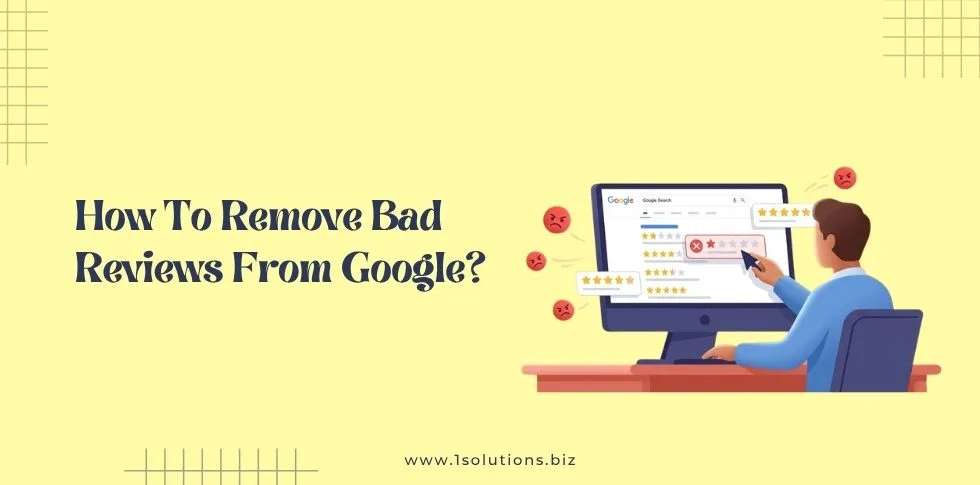
Bad reviews on Google can feel like a punch to the gut for business owners. They show up prominently in search results and can influence potential customers before they even visit your website or store. While you can’t always prevent negative feedback, you can take specific steps to remove inappropriate reviews and manage your online reputation effectively.
Google has clear policies about what types of reviews violate their guidelines. Understanding these policies and knowing how to report problematic reviews can help protect your business’s reputation. This comprehensive guide will walk you through the entire process of removing bad reviews from Google, from identifying policy violations to implementing long-term reputation management strategies.
Understanding Google’s Review Policies
Before attempting to remove any review, you need to understand what Google considers a violation of their policies. Not every negative review can or should be removed. Google allows honest criticism and genuine negative experiences, even if they hurt your feelings or business.
Reviews That Violate Google’s Policies
Google will remove reviews that clearly violate their content policies. These include:
- Fake reviews: Reviews from people who never visited or used your business
- Spam content: Reviews that are clearly promotional or contain irrelevant information
- Off-topic reviews: Content that doesn’t relate to your business or the customer experience
- Restricted content: Reviews containing illegal content, harassment, or hate speech
- Impersonation: Reviews pretending to be from someone else
- Conflicts of interest: Reviews from competitors or your own employees
- Inappropriate content: Reviews with profanity, personal attacks, or offensive language
Understanding these categories helps you identify which reviews have a realistic chance of removal. Google’s automated systems and human reviewers look for clear policy violations, not just negative sentiment.
Reviews Google Won’t Remove
It’s equally important to understand what Google considers legitimate, even if negative:
- Honest negative experiences with your business
- Complaints about pricing, service quality, or staff behavior
- Reviews mentioning factual issues with your products or services
- Critical opinions expressed respectfully
- Reviews that mention both positive and negative aspects
These reviews reflect genuine customer experiences. Instead of trying to remove them, focus on responding professionally and addressing the underlying issues.
Step-by-Step Process to Remove Bad Reviews
When you’ve identified a review that potentially violates Google’s policies, follow these detailed steps to request removal.
Method 1: Reporting Through Google My Business
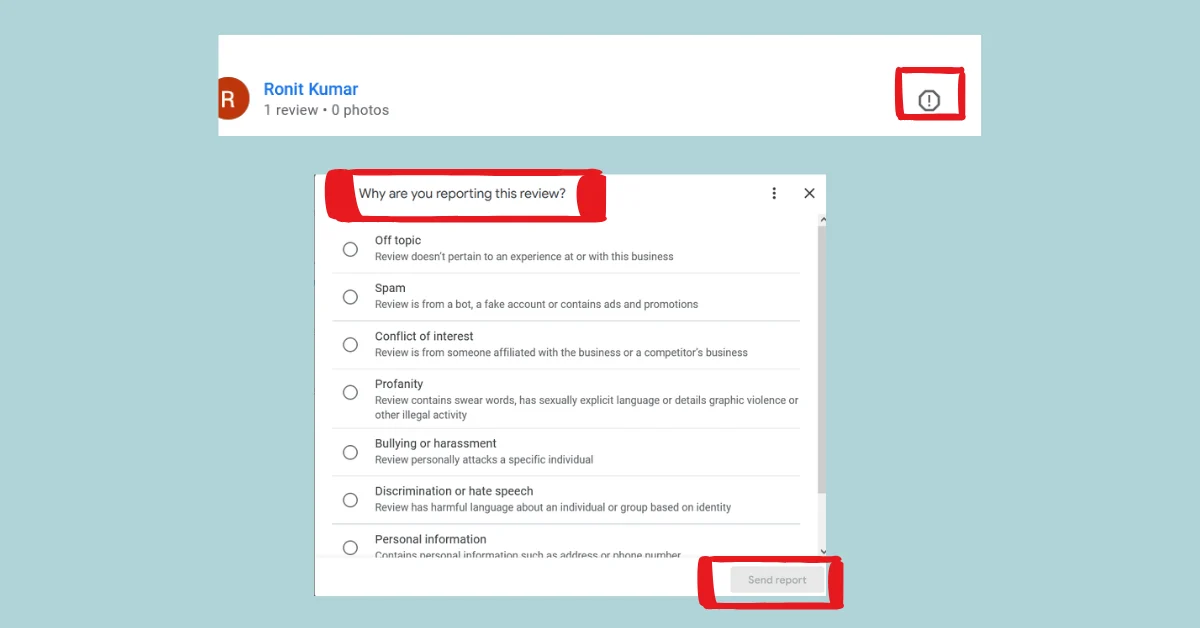
The most direct way to report problematic reviews is through your Google My Business dashboard:
- Sign in to your Google My Business account and navigate to your business profile
- Click on “Reviews” in the left sidebar to see all your reviews
- Find the problematic review you want to report
- Click the three dots (menu icon) next to the review
- Select “Flag as inappropriate” from the dropdown menu
- Choose the reason for flagging from the available options
- Submit your report and wait for Google’s response
This method works best when you have clear evidence of policy violations. Be specific about why the review violates Google’s guidelines.
Method 2: Reporting Without a Google My Business Account
If you don’t have access to Google My Business, you can still report reviews:
- Search for your business on Google to find your business listing
- Scroll down to the reviews section of your knowledge panel
- Find the problematic review and click the three dots next to it
- Select “Flag as inappropriate”
- Follow the prompts to submit your report
While this method is available, having a verified Google My Business account provides better tools for managing your online presence and implementing effective Google My Business optimization strategies.
Method 3: Using Google’s Legal Removal Process
For reviews containing serious violations like harassment, doxxing, or illegal content:
- Visit Google’s legal removal page for content that violates local laws
- Select the appropriate category for your complaint
- Provide detailed information about the violation and its impact
- Include screenshots and documentation supporting your claim
- Submit your request through the formal legal process
This process is more intensive but may be necessary for serious violations that standard reporting doesn’t address.
Gathering Evidence for Review Removal
Success in removing bad reviews often depends on the strength of your evidence. Google’s reviewers need clear proof that a review violates their policies.
Documenting Policy Violations
Create a comprehensive file for each problematic review:
- Screenshots: Capture the entire review, including the reviewer’s name and date
- Business records: Check if the reviewer was actually a customer
- Communication logs: Document any direct threats or harassment
- Pattern evidence: Note if multiple fake reviews appeared simultaneously
- Competitor analysis: Research if reviews come from business competitors
The more evidence you provide, the better your chances of successful removal. Google’s review team can cross-reference this information to verify policy violations.
Identifying Fake Reviews
Fake reviews often share common characteristics that you can document:
- Generic language that could apply to any business
- Reviews posted by accounts with no other review history
- Multiple reviews posted on the same day from different accounts
- Reviews mentioning services you don’t offer
- Geographical inconsistencies in reviewer locations
These patterns help build a case for removal, especially when combined with your business records showing no interaction with the reviewer.
What to Expect During the Review Process
Understanding Google’s review process helps set realistic expectations and timeline.
Google’s Response Timeline
Review removal requests typically follow this timeline:
- Initial review: 1-3 business days for automated screening
- Human review: 5-7 business days for complex cases
- Decision notification: Usually via email or Google My Business dashboard
- Appeal process: Additional 7-10 days if you contest the decision
During busy periods or for complex violations, the process may take longer. Patience is important, as multiple follow-up requests can actually slow down the review process.
Possible Outcomes
Google’s review of your removal request can result in several outcomes:
- Review removed: The content violated policies and has been deleted
- Request denied: Google determined the review doesn’t violate policies
- Partial action: Some content removed while other parts remain
- No response: Sometimes requests receive no explicit notification
If your request is denied, you can appeal the decision or focus on other reputation management strategies.
Professional Responses to Negative Reviews
While working on removal, respond professionally to negative reviews. This shows potential customers how you handle complaints and can mitigate damage to your reputation.
Crafting Effective Responses
Your response strategy should include several key elements:
- Acknowledge the concern: Show you take customer feedback seriously
- Apologize when appropriate: Take responsibility for genuine service issues
- Offer solutions: Propose ways to address the customer’s concerns
- Take the conversation offline: Provide contact information for further discussion
- Stay professional: Never argue or become defensive in public responses
Remember that your response is visible to all potential customers. A thoughtful, professional response can actually improve your reputation, even when addressing negative feedback.
Response Templates and Examples
Here are some effective response templates:
For service complaints:
“Thank you for taking the time to share your feedback. We’re sorry to hear about your experience and would like the opportunity to make this right. Please contact us directly at [phone/email] so we can discuss this further and find a solution.”
For misunderstandings:
“We appreciate your review and apologize for any confusion. We’d love to clarify our process and ensure you have the best possible experience with us. Please reach out to us at [contact info] when convenient.”
For fake reviews:
“We don’t have any record of serving you and would appreciate the opportunity to verify this experience. Please contact us directly with your service details so we can investigate and address any issues.”
These templates provide starting points, but personalize each response based on the specific situation and complaint.
Building a Long-Term Reputation Management Strategy
Removing bad reviews is just one part of comprehensive online reputation management. Focus on building systems that prevent problems and encourage positive feedback.
Proactive Review Generation
The best defense against bad reviews is a steady stream of positive ones:
- Ask satisfied customers: Request reviews immediately after positive experiences
- Follow up after service: Send emails or texts with review links
- Train your staff: Teach employees to encourage happy customers to leave reviews
- Make it easy: Provide direct links to your Google review page
- Incentivize appropriately: Offer small thanks without violating Google’s policies
Consistent positive reviews dilute the impact of occasional negative ones and show potential customers that most people have good experiences with your business.
Monitoring and Early Response
Set up systems to catch and address issues quickly:
- Google alerts: Get notified immediately when new reviews appear
- Regular monitoring: Check your reviews weekly, even if you have alerts
- Staff training: Ensure your team knows how to handle complaints before they become reviews
- Internal feedback systems: Catch problems before customers post public complaints
Quick responses to both positive and negative reviews show that you actively engage with customer feedback. This engagement can prevent small issues from escalating into damaging reviews.
Avoiding Common Mistakes in Review Management
Many business owners make mistakes that can worsen their review problems or violate Google’s policies.
What Not to Do
Avoid these common pitfalls:
- Don’t buy fake positive reviews: Google can detect artificial review patterns
- Don’t argue publicly: Defensive responses make you look unprofessional
- Don’t ignore negative reviews: Silence can be interpreted as not caring
- Don’t ask friends and family for reviews: Google considers these conflicts of interest
- Don’t spam removal requests: Multiple requests for the same review can delay processing
- Don’t threaten legal action publicly: This often backfires and attracts more negative attention
Understanding the importance of avoiding common Google My Business mistakes can help you maintain a clean and professional online presence while building customer trust.
Policy Compliance
Stay within Google’s guidelines while managing your reputation:
- Only request removal for genuine policy violations
- Encourage honest reviews from real customers
- Respond professionally to all feedback
- Focus on improving actual service quality
- Build authentic relationships with customers
Following these practices protects your business from penalties while building genuine credibility with customers and search engines.
Alternative Strategies When Reviews Can’t Be Removed
When Google decides not to remove a negative review, you still have options to minimize its impact and improve your overall reputation.
SEO and Visibility Strategies
Use search engine optimization to control what people see about your business:
- Create positive content: Publish blog posts, case studies, and customer success stories
- Optimize your website: Ensure your site ranks well for your business name
- Build social media presence: Active social profiles often rank high in search results
- Encourage reviews on other platforms: Diversify your review presence across multiple sites
- Create video content: Customer testimonial videos can be very effective
A comprehensive SEO strategy can help positive content about your business appear prominently in search results, reducing the visibility and impact of negative reviews.
Direct Customer Resolution
Sometimes the best approach is reaching out directly to the unhappy customer:
- Contact them privately: Use the information in their review to reach out
- Listen to their concerns: Understand what went wrong from their perspective
- Offer genuine solutions: Provide refunds, service corrections, or other appropriate remedies
- Ask for review updates: Satisfied customers may update or remove their negative reviews
- Learn from the feedback: Use complaints to improve your actual service
This approach can turn negative experiences into positive outcomes while demonstrating your commitment to customer satisfaction.
Industry-Specific Considerations
Different industries face unique challenges with online reviews and may need specialized approaches.
Healthcare and Professional Services
Healthcare providers, lawyers, and other professionals have additional considerations:
- Privacy concerns: HIPAA and similar regulations limit how you can respond
- Professional standards: Licensing boards may have rules about public communications
- Sensitive information: Reviews might contain private details that should be removed
- Higher stakes: Negative reviews can significantly impact professional reputations
Professional service providers should consult with legal counsel about their review management strategies to ensure compliance with industry regulations.
Retail and Hospitality
Businesses in retail and hospitality face high review volumes and emotional customer interactions:
- Seasonal fluctuations: Review patterns may vary with busy and slow periods
- Staff training needs: Multiple employees interact with customers who might leave reviews
- Immediate service recovery: Quick problem resolution can prevent negative reviews
- Visual documentation: Photos and videos in reviews require additional monitoring
These businesses benefit from systematic approaches to customer service and review management, often requiring specialized tools and staff training.
Tools and Services for Review Management
Several tools can help streamline your review management process and make it more effective.
Free Google Tools
Google provides several free tools for managing your online presence:
- Google My Business dashboard: Central hub for managing reviews and business information
- Google Alerts: Email notifications when your business is mentioned online
- Google Analytics: Track how reviews affect website traffic and conversions
- Google Search Console: Monitor how your business appears in search results
These tools provide essential functionality for most small businesses and integrate well with other Google services.
Paid Review Management Platforms
For businesses with higher review volumes, paid platforms offer additional features:
- Multi-platform monitoring: Track reviews across Google, Yelp, Facebook, and other sites
- Automated alerts: Immediate notifications of new reviews across all platforms
- Response management: Tools for crafting and scheduling review responses
- Analytics and reporting: Detailed insights into review trends and customer sentiment
- Review generation: Automated systems for requesting reviews from customers
These platforms can be particularly valuable for businesses with multiple locations or high customer volumes.
Legal Considerations and Professional Help
Some situations may require legal assistance or professional reputation management services.
When to Consult a Lawyer
Consider legal consultation for:
- Defamatory content: False statements that damage your business reputation
- Harassment campaigns: Coordinated attacks from competitors or disgruntled individuals
- Privacy violations: Reviews containing personal information or private details
- Threat assessment: Content that includes threats of violence or illegal activity
- Competitor interference: Evidence of businesses posting fake negative reviews
Legal professionals can help evaluate whether you have grounds for action beyond Google’s standard removal process.
Professional Reputation Management Services
Expert services may be worthwhile when:
- You’re dealing with a crisis that threatens your business
- Negative reviews are significantly impacting revenue
- You lack time or expertise to manage reviews effectively
- You need comprehensive strategies across multiple platforms
- Legal issues complicate your situation
Professional reputation management combines local SEO expertise, content creation, review management, and strategic communication to address serious reputation challenges.
Measuring Success and Ongoing Improvement
Track your progress and adjust your strategies based on results and changing circumstances.
Key Metrics to Monitor
Focus on metrics that directly impact your business:
- Overall rating: Your average star rating across all reviews
- Review velocity: How many new reviews you receive monthly
- Response rate: Percentage of reviews you respond to professionally
- Review sentiment: Ratio of positive to negative feedback
- Business impact: How reviews correlate with sales and inquiries
- Search visibility: How your business appears in local search results
Regular monitoring helps you understand which strategies work best and where to focus your efforts.
Continuous Improvement Strategies
Use review insights to improve your actual business operations:
- Identify patterns: Look for recurring complaints in negative reviews
- Staff training: Address service issues highlighted in customer feedback
- Process improvements: Streamline operations to prevent common problems
- Communication enhancement: Improve how you explain services and policies
- Quality control: Implement systems to catch problems before customers do
This approach transforms negative feedback into opportunities for genuine business improvement, ultimately reducing future negative reviews.
Integration with Broader Marketing Strategies
Review management should integrate with your overall digital marketing efforts for maximum effectiveness.
SEO and Local Search Optimization
Reviews directly impact your search engine rankings and local visibility:
- Local SEO signals: Review quantity and quality affect local search rankings
- Click-through rates: Star ratings in search results influence click behavior
- Content creation: Use review insights to create relevant blog content
- Keyword research: Customer language in reviews can inform SEO strategy
- Schema markup: Implement review markup to enhance search appearances
Effective review management supports broader SEO strategies and helps establish topical authority in your industry while building trust with both search engines and potential customers.
Social Media and Content Marketing
Integrate review management with your social media presence:
- Share positive reviews: Highlight great customer feedback on social platforms
- Create testimonial content: Turn reviews into blog posts and case studies
- Video testimonials: Encourage satisfied customers to create video content
- Community building: Use social media to strengthen customer relationships
- Crisis communication: Address review issues across all marketing channels
This integrated approach maximizes the positive impact of good reviews while minimizing damage from negative ones.
Managing Google reviews effectively requires a comprehensive approach that combines understanding Google’s policies, professional response strategies, and long-term reputation building. While removing inappropriate reviews is one tactic, the most successful businesses focus on providing excellent service and building systems that encourage positive feedback.
Remember that online reputation management is an ongoing process, not a one-time fix. By implementing the strategies outlined in this guide, you can protect your business’s reputation while building genuine customer relationships that lead to sustainable growth.
Ready to take control of your online reputation? At 1Solutions, we specialize in comprehensive digital marketing strategies that include review management, local SEO, and reputation building. Our team can help you implement these strategies effectively while focusing on growing your business. Get a free proposal today to learn how we can help improve your online presence and customer relationships.
Frequently Asked Questions
How long does it take for Google to remove a bad review?
Google typically reviews removal requests within 1-7 business days, depending on the complexity of the case. Simple policy violations may be processed automatically within 24-48 hours, while more complex situations requiring human review can take up to a week or longer. If you don’t receive a response within 10 business days, you can follow up on your request through Google My Business or submit a new report.
Can I remove negative reviews that are truthful but hurt my business?
No, Google will not remove negative reviews that are truthful and don’t violate their policies. Even harsh criticism is allowed if it reflects a genuine customer experience. Instead of trying to remove honest negative feedback, focus on responding professionally, addressing the customer’s concerns, and implementing changes to prevent similar issues in the future.
What should I do if a competitor is posting fake negative reviews?
If you suspect competitors are posting fake reviews, gather evidence such as the timing of multiple negative reviews, generic language that doesn’t reflect actual services, or accounts with suspicious review patterns. Report these reviews through Google My Business, providing as much evidence as possible. You can also consult with a lawyer about potential legal action if you have strong evidence of competitor interference.
Is it worth hiring a professional to help remove bad Google reviews?
Professional reputation management services can be valuable if you’re facing a serious crisis, lack time to manage reviews properly, or need expertise in legal and SEO aspects of reputation management. However, many basic review management tasks can be handled in-house using the strategies outlined in this guide. Consider professional help if negative reviews are significantly impacting your revenue or if you’re dealing with complex legal issues.
How many positive reviews do I need to offset one negative review?
While there’s no exact formula, research suggests that it takes approximately 4-6 positive reviews to offset the impact of one negative review in customers’ minds. However, the quality and detail of reviews matter more than just quantity. A few detailed, authentic positive reviews often carry more weight than many brief, generic ones. Focus on encouraging satisfied customers to leave thoughtful, specific feedback about their experiences.
Can I ask customers to remove or change their negative reviews?
Yes, you can contact customers directly to address their concerns and ask them to consider updating their reviews if you resolve their issues satisfactorily. Many customers will modify or remove negative reviews if you demonstrate genuine concern and provide appropriate solutions. However, never offer payment or inappropriate incentives in exchange for review changes, as this violates Google’s policies.
What happens if I get caught buying fake positive reviews?
Google has sophisticated systems for detecting fake reviews and can penalize businesses that engage in review manipulation. Penalties may include removal of fake reviews, suspension of your Google My Business listing, reduced visibility in local search results, or complete removal from Google’s platforms. The risks far outweigh any temporary benefits, making it essential to focus on earning genuine reviews from real customers instead.
Conclusion
Managing negative reviews on Google is not about eliminating every piece of criticism, but about understanding the difference between harmful violations and genuine customer feedback. While inappropriate or fake reviews can and should be reported, many negative reviews present an opportunity to demonstrate professionalism, improve your services, and build trust with future customers.
A strong reputation management strategy goes beyond removal requests. It involves consistently delivering great customer experiences, encouraging authentic positive reviews, responding thoughtfully to feedback, and monitoring your online presence regularly. When handled correctly, even negative reviews can enhance your credibility by showing transparency and a commitment to customer satisfaction.
Ultimately, businesses that succeed in the long run are those that focus on continuous improvement and proactive engagement rather than reactive damage control. By applying the strategies outlined in this guide, you can protect your brand image, strengthen customer relationships, and turn your Google reviews into a powerful asset for growth.











 in India