













































































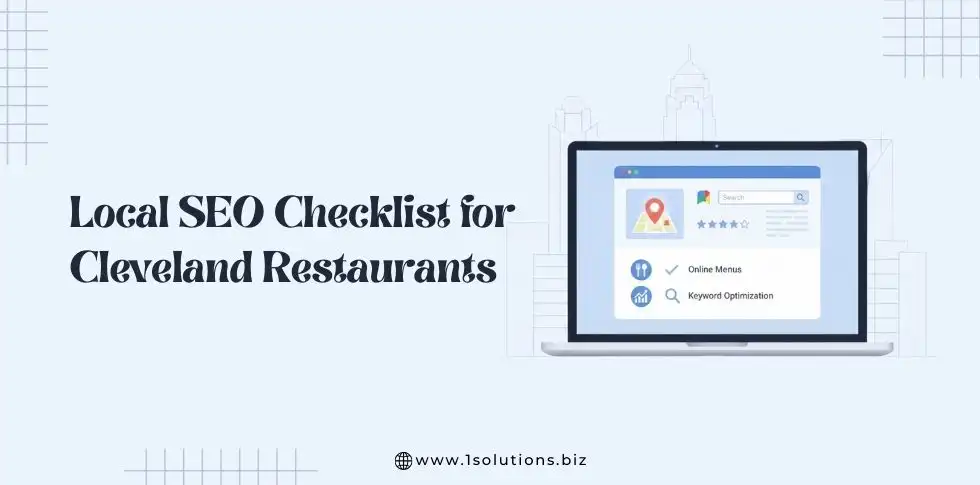
Introduction
The restaurant industry in Cleveland is highly competitive, with thousands of establishments ranging from small family-owned diners to premium fine dining locations.
Every day, restaurants compete not only on food quality but also on digital visibility.
A great menu or ambience is not enough if customers cannot find your restaurant online.
Local SEO is one of the most effective strategies for Cleveland restaurants looking to attract more local customers.
Research shows that 46% of Google searches have local intent, and more than 76% of users who search for a local business visit it within 24 hours.
For restaurants, this translates directly into more foot traffic, reservations, and online orders.
Investing in professional local SEO helps restaurants increase their search engine visibility, improve brand credibility, and generate measurable business growth.
In this comprehensive guide, we will cover every step of a Cleveland restaurant SEO strategy, from Google Business Profile optimisation to link building and content marketing.
Why Local SEO Is Critical for Cleveland Restaurants
Local SEO is more than a marketing strategy; it is a growth driver for restaurants. In a city like Cleveland, which is home to thousands of dining options, appearing in local search results is crucial.
Studies show that restaurants appearing in the top three local search results capture nearly 75% of all clicks.
Customers often search for terms like “best pizza in Cleveland” or “Italian restaurants near me.”
Without proper local SEO, even the highest quality restaurants may remain invisible to potential diners. Mobile search is a particularly critical factor.
Over 60% of restaurant searches now occur on smartphones, which means local SEO is not just an option-it is a necessity for immediate engagement.
By implementing a structured local SEO strategy, restaurants can ensure they appear at the right time, in front of the right audience, and in the right location.
Understanding Local Search Intent
Local search intent refers to users who are actively looking for services or products nearby. For restaurants, this includes searches related to menus, location, hours, reviews, or specific cuisine types.
In Cleveland, customers often search by neighbourhoods. Popular areas include Downtown Cleveland, Ohio City, Tremont, Lakewood, and University Circle.
Including neighbourhood-specific keywords in content, meta descriptions, and Google listings increases the restaurant’s relevance and visibility.
Aligning online presence with local intent ensures that restaurants are discovered when customers are ready to act, resulting in higher click-through rates and increased reservations.
Google Business Profile Optimisation
Claim and Verify Your Listing
Every Cleveland restaurant must claim and verify its Google My Business profile. This is often the first impression a customer has of your restaurant online.
Verified listings receive significantly more calls, website visits, and direction requests than unverified ones.
Accurate Business Information
Ensure that your restaurant’s name, address, phone number, and hours are accurate and consistent across all platforms.
Inconsistent information can harm search rankings and confuse potential customers.
High-Quality Photos
Google listings with images get 42% more requests for directions and 35% more website clicks.
Upload photos of your dining space, dishes, staff, and events to maintain an engaging and trustworthy profile.
Utilise Posts and Updates
Regularly posting updates, promotions, and events on your Google Business Profile improves engagement.
For example, highlighting a seasonal menu or weekend special can attract more local customers searching for timely offers.
Also Read : How To Optimize Google My Business Listing?
Website Optimisation for Local SEO
Mobile-Friendly Design
Mobile-first indexing is a key ranking factor for Google. A mobile-friendly website ensures that users can easily navigate, view menus, and make reservations on any device.
Fast loading times also improve user experience and search rankings.
Location-Based Keywords
Incorporate Cleveland-specific keywords throughout your website content, meta titles, and descriptions.
Focus on neighbourhoods, cuisine type, and dining intent. For example, “Tremont Italian restaurant” or “Lakewood brunch cafe.”
Avoid keyword stuffing; maintain natural and readable content.
Local Landing Pages
Restaurants with multiple locations should create separate landing pages for each area.
Each page should feature location-specific content, menus, reviews, and directions. This enhances local relevance and improves rankings across neighbourhoods.
Menu Optimization
Your menu should be fully accessible online in text format. Avoid using only images, as search engines cannot crawl image-only menus.
Use descriptive language that matches common search terms, e.g., “vegan Cleveland pizza” or “gluten-free brunch in Tremont.”
Also Read: – Website Maintenance Checklist: 10 Must-Do Maintenance Tasks
Content Strategy for Local SEO
Blog Content with Local Focus
Publishing regular blogs about Cleveland food culture, seasonal menus, local events, and community partnerships increases visibility.
HubSpot reports that companies that blog regularly receive 55% more website traffic than those that do not.
Professional SEO services can help ensure content aligns with search engine algorithms, uses proper keyword targeting, and maintains a consistent brand voice.
Menu Highlights and Promotions
Use content to promote new dishes, seasonal specials, and exclusive events. Highlight menu items in blog posts or social media to attract customers to search for specific food items in Cleveland.
Video Content
Video marketing can boost local SEO and engagement. Short clips showcasing dishes, behind-the-scenes kitchen work, or customer testimonials improve time-on-page metrics, which Google values for rankings.
Online Reviews and Reputation Management
Encourage Customer Reviews
Customer reviews heavily influence dining decisions. Research shows that 93% of consumers say online reviews affect their purchasing choices.
Encourage satisfied diners to leave reviews on Google, Yelp, and other local platforms. Incentives, such as small discounts or free drinks, can boost review of submissions.
Responding to Reviews
Responding to reviews demonstrates customer care. Address both positive and negative feedback respectfully. Restaurants that actively respond to reviews are perceived as more professional and trustworthy.
Local Citations and Directory Listings
Consistent Business Listings
Citations are mentions of your restaurant’s name, address, and phone number on online directories. Consistency across platforms signals trust to search engines and improves local rankings.
Directory Submissions
Submit listings to food-specific directories, local business directories, and Cleveland-based directories. Regularly monitor and update your listings to ensure accuracy.
Also Read: What Are Local Citations and Why Are They Important for Local SEO?
Link Building for Local Restaurants
Why Backlinks Matter
Backlinks are one of the most important ranking factors. Restaurants with high-quality backlinks from local blogs, media outlets, or food review sites rank higher in search results and gain referral traffic.
Professional link building services help restaurants acquire authoritative links that improve domain authority and long-term SEO performance.
Guest Blogging and Partnerships
Collaborating with Cleveland food bloggers or local event websites can generate backlinks and improve your restaurant’s reputation in the local community. Read our guide If you want to learn more about guest posting for your business.
Social Media and Community Engagement
Active Social Profiles
Maintaining active social media profiles increases visibility and drives website traffic. Sharing menu updates, promotions, and event announcements reinforces brand presence in Cleveland.
Collaborations and Partnerships
Partner with local influencers, bloggers, and Cleveland-based events to expand your reach. This strategy also supports backlinks and improves local search authority.
Tracking Performance and Analytics
Monitor Key Metrics
Use tools like Google Analytics and Google Search Console to track traffic, keyword rankings, and user engagement.
Monthly SEO Audits
Perform monthly audits to identify issues such as broken links, slow pages, or inconsistent business listings. Continuous monitoring ensures the SEO strategy remains effective.
Conversion Tracking
Track calls, reservations, and online orders to measure ROI from your local SEO campaigns. Adjust strategies based on what drives the highest results.
Also Read:- Google Ads Conversion Tracking vs. GA4: Which Should You Trust?
Common Local SEO Mistakes Cleveland Restaurants Make
Even with great food and service, many Cleveland restaurants struggle to rank well in local search results due to avoidable mistakes.
Understanding and correcting these errors can dramatically improve your online visibility, drive more foot traffic, and build customer trust.
1. Inconsistent Business Information Across Platforms
One of the most common mistakes is having inconsistent business details-such as restaurant name, address, or phone number-across Google, Yelp, social media, and directories.
Search engines prioritise consistency when determining local relevance and trustworthiness.
Impact: Inaccurate or conflicting information confuses both search engines and potential customers, leading to lower search rankings and missed opportunities for reservations.
Recommendation: Maintain consistent NAP (Name, Address, Phone) across all platforms. Use tools like Google Business Profile or professional local SEO services to audit and correct listings regularly.
2. Outdated Menus and Website Content
Many restaurants fail to update their website with the latest menus, hours, and promotions. Outdated content sends signals to search engines that the website is inactive, which can negatively impact rankings.
Impact: Customers may be misled about available menu items, special offers, or operating hours, resulting in frustration and lost visits.
Recommendation: Update menus, photos, pricing, and special events at least monthly. Ensure your website reflects seasonal changes and promotions. Adding structured data to menus can also improve search visibility.
3. Neglected Online Reviews
Online reputation plays a huge role in local SEO. Restaurants that do not actively manage reviews miss an opportunity to build credibility.
Ignoring negative reviews or failing to respond reduces customer trust.
Impact: According to a Bright Local study, 93% of consumers read online reviews before visiting a business. Neglected reviews can drive potential customers to competitors.
Recommendation: Encourage customers to leave honest reviews, respond professionally to all feedback, and highlight positive testimonials on your website and social media.
4. Slow or Non-Mobile-Friendly Websites
A slow-loading website or one that is not optimized for mobile devices frustrates users and leads to high bounce rates.
Google’s mobile-first indexing makes mobile performance critical for search rankings.
Impact: Slow or non-responsive sites rank lower in search results, resulting in fewer clicks, fewer reservations, and lost revenue.
Recommendation: Use responsive design, compress images, and optimise mobile speed. Test your website using tools like Google Page Speed Insights to identify performance issues.
5. Lack of Local Content or Neighborhood Targeting
Restaurants that do not create content relevant to local neighbourhoods or Cleveland-specific keywords miss the opportunity to capture highly targeted traffic.
Generic content will not attract customers searching for “best brunch in Tremont” or “Lakewood Italian restaurant.”
Impact: Without local content, your website may appear generic, ranking lower for searches with strong local intent. Competitors who optimise neighbourhoods dominate these searches.
Recommendation: Create neighbourhood-specific landing pages, blog posts, and menu highlights. Use local keywords naturally in titles, headings, and descriptions. Highlight community involvement or partnerships to strengthen relevance.
6. Not Monitoring Performance and Analytics
Some restaurants make the mistake of implementing SEO once and then forgetting it. SEO is an ongoing process that requires tracking metrics like website traffic, keyword rankings, reviews, and customer engagement.
Impact: Without monitoring, it is impossible to know which strategies are working or which areas need improvement, leading to wasted resources and missed opportunities.
Recommendation: Use Google Analytics, Search Console, and performance tracking tools to evaluate results monthly. Adjust strategies based on data and seasonal trends to continuously improve rankings.
Summary
Addressing these common mistakes-inconsistent information, outdated content, neglected reviews, slow websites, lack of local targeting, and poor monitoring-can dramatically improve Cleveland restaurant visibility, increase customer trust, and drive more foot traffic.
Also Read: Local SEO Guide for Small Businesses in New York City (2026)
Expanded Local SEO Checklist for Cleveland Restaurants
1. Claim and Optimise Google Business Profile
Ensure your Google Business Profile is claimed, verified, and fully optimized with accurate details, photos, menus, and updates. This is the foundation of local search visibility.
2. Maintain Consistent NAP Across Platforms
Keep your Name, Address, and Phone number consistent on Google, Yelp, social media, and directories. Consistency builds trust with both search engines and customers.
3. Optimise Website for Mobile and Local Keywords
A mobile-friendly website with Cleveland-specific keywords improves search rankings and user experience. Include neighbourhood names, cuisine types, and relevant dining phrases naturally.
4. Create Location-Specific Landing Pages
If your restaurant has multiple locations, develop dedicated pages for each area. Include menus, reviews, hours, and directions to increase local relevance and visibility.
5. Promote Seasonal Menus and Events Through Blogs
Regular blog content about seasonal dishes, promotions, and local events strengthens your authority, attracts traffic, and improves rankings in local searches.
6. Encourage and Manage Online Reviews
Actively request customer reviews and respond professionally to all feedback. Positive engagement improves credibility, rankings, and customer trust.
7. Build Authoritative Backlinks
Earn high-quality backlinks through partnerships, food blogs, and professional link building services to strengthen domain authority and local search performance.
8. Monitor Performance Using Analytics Tools
Track website traffic, keyword rankings, and conversions using tools like Google Analytics and Search Console. Use insights to refine strategies and measure ROI.
9. Update Listings and Content Regularly
Keep menus, hours, photos, and business information current across all platforms. Frequent updates signal activity to search engines and enhance user trust.
Implementing these steps consistently ensures Cleveland restaurants maximise local search visibility, attract nearby customers, and drive measurable growth.
Frequently Asked Questions
What is local SEO for restaurants?
Local SEO helps restaurants appear in search results when nearby customers search for dining options using location-based keywords and Google Maps.
How long does local SEO take to show results?
Restaurants generally see measurable results within three to six months, depending on competition, consistency, and optimisation of quality.
Why are Google reviews important for local SEO?
Reviews affect rankings, click-through rates, and customer trust, making them essential for building visibility and credibility in Cleveland.
Do small restaurants need local SEO?
Yes. Local SEO allows small restaurants to compete effectively in their neighbourhood, increasing visibility against larger chains.
How often should business listings be updated?
Listings should be reviewed monthly or whenever there are changes in hours, menus, photos, or promotions to maintain accuracy.
Does social media impact local SEO?
Yes. Active social media profiles indirectly support local SEO by driving engagement, increasing referral traffic, and boosting online brand presence.
Can restaurants manage SEO themselves?
Basic SEO tasks can be handled internally, but professional services ensure accuracy, scalability, and long-term performance.
Conclusion
Local SEO is essential for Cleveland restaurants aiming for sustainable growth, increased visibility, and higher customer acquisition.
Proper implementation strengthens your online presence and converts local searches into loyal diners.
At 1Solutions, we specialise in helping restaurants dominate local search results through data-driven strategies, proven optimisation, and ongoing support.
If your restaurant is ready to boost visibility, attract more customers, and grow revenue, partner with 1Solutions today and turn local searches into real business results.
Our local SEO services are designed to give your restaurant business a steady and stable growth in the local searches.












 in India