













































































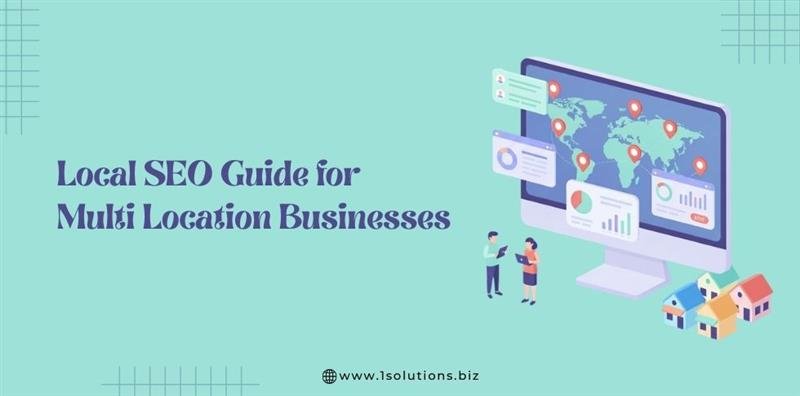
Local SEO has become one of the most important pillars of online visibility for businesses with several branches or service areas.
In 2026, customers rely more than ever on search results, maps, and local listings to decide which business to visit, call, or trust. This is especially true for chains, franchises, agencies, and companies that serve customers from different locations.
Local SEO can feel intimidating when you manage only one branch, so it is completely understandable that multi location SEO may seem even more challenging.
Each branch needs accurate information, strong online presence, and a clear connection to the local community. Fortunately, when approached with a simple plan, multi location SEO can be manageable and very rewarding.
This guide is designed for beginners and business owners who want to understand local SEO in a clear and supportive way. It avoids technical jargon, offers practical steps, and explains why each action matters.
Whether you run three locations or three hundred, these principles may help you achieve better visibility across all your service areas.
What Is Local SEO and Why It Matters in 2026
Local SEO is the practice of improving your online presence so that customers near your physical locations can find you easily on Google Search and Google Maps. When someone searches for a product or service near them, they often use phrases such as:
- coffee shop near me
- dentist in Bristol
- best car repair in Manchester
Google responds by showing local results and a maps pack. If your business does not appear there, customers may choose a competitor instead. Strong local SEO helps you gain visibility, build trust, and attract customers who are ready to take action.
In 2026, Google is placing greater emphasis on three important areas:
1. Relevance
Google wants to show results that match what the user is searching for. That means your business information must be complete and accurate.
2. Distance
Google considers how close the user is to your business. This is why each location needs its own strong presence.
3. Prominence
Prominence refers to how well known and trustworthy your business appears online. Reviews, photos, updates, and consistent information all play a role.
For multi location businesses, these factors become even more significant because each branch must appear relevant, close, and prominent to its own local audience.
The Challenges Faced by Multi Location Businesses
Most multi location companies face similar problems with their local SEO. These challenges are common and nothing to worry about, but understanding them will help you avoid mistakes.
1. Maintaining accurate information
With many branches, information can easily become outdated. A store may move to a new address, a phone number may change, or a service description may not match. Inaccurate information can confuse customers and harm visibility.
2. Duplicate listings
This is one of the most frequent issues. Duplicate listings appear when a location has more than one Google profile. You can learn more about how to fix these issues in our guide on managing multiple google business listings
3. Inconsistent branding
Branch names, photos, and descriptions must follow a standard brand approach while still feeling local.
4. Competing with your own branches
Without proper optimisation, Google may mix up your locations or show a branch that is far away from the customer.
5. Handling suspended listings
Listings can sometimes be removed or suspended for policy reasons. Here is a helpful resource to handle suspended or removed Google My Business listing.
Understanding these challenges makes it easier to build a strong local SEO strategy that supports every branch.
Local SEO Basics Every Multi Location Business Should Understand
Before diving into advanced work, it is helpful to understand the foundations of local SEO. These are the basic elements that every location needs.
1. Google Business Profile for Each Location
Every location must have its own verified Google Business Profile. This profile appears in Google Search and Google Maps and displays your:
- business name
- address
- phone number
- opening hours
- photos
- services
- reviews
Multi location businesses should keep each profile consistent but still allow room for local details.
Check our guide for a step by step guide on optimising Google my business profiles
2. Consistent N A P Details
N A P stands for Name, Address, and Phone number. These three details must be consistent across:
- your Google Business Profiles
- your website
- online directories
- map listings
Even small differences may confuse Google. For example, using Street in one location and St in another may create inconsistency. Pick one format and use it everywhere.
3. Local Landing Pages on Your Website
Each location needs its own dedicated page on your website. This helps Google understand the geography of your business and improves your relevance for local searches.
A location page may include:
- address and map
- description of services
- local testimonials
- photos
- a link to the local Google Business Profile
Businesses sometimes outsource SEO work for this stage. If you need support, you might consider outsourced SEO services.
4. Local Citations
Citations are mentions of your business name, address, and phone number on external websites. These can include:
- directories
- review sites
- industry websites
Citations must use consistent N A P details to maintain trust and accuracy.
5. Reviews and Ratings
Customer reviews are extremely important for local SEO. They help build trust and increase your prominence. Encourage each branch to ask customers for reviews and reply to feedback professionally.
6. Google Maps Optimisation
Ranking in the Google Maps three pack can significantly increase local traffic. Many businesses gain the majority of their local enquiries from these positions.
Here is a full guide to improving your maps visibility
How to Set Up a Strong Local SEO Strategy for Multiple Locations
Once you understand the basics, the next step is to create a clear strategy that helps every branch achieve good visibility.
1. Create a Central Local SEO Policy
A central policy helps maintain consistency across all locations. It may include guidance for:
- the format of business names
- how addresses should appear
- instructions for managers
- photo standards
- how reviews should be requested and answered
This policy ensures that all branches follow the same standards while still feeling local.
2. Audit Every Existing Listing
Before improving your SEO, you need a clear picture of your current situation.
Look for:
- incorrect names
- outdated phone numbers
- duplicate listings
- missing locations
- suspended locations
Audit your Google Business Profile is one of the most important steps because errors across listings can weaken the performance of all locations.
3. Verify All Your Locations
Unverified listings do not receive the same visibility as verified profiles.
If you manage ten or more locations, you may use bulk verification. If you manage fewer, verify each location individually through Google.
4. Ensure Accuracy on Your Website
Your website acts as the central point of truth for Google. If your site lists your locations properly, Google is more likely to trust your profiles.
When creating location pages, ensure that you follow best practices for internal linking, local content, and accurate N A P information.
If you want expert support, you may explore the local SEO services
5. Make Use of Local Content
Local SEO is stronger when each location publishes content that relates to its community. Local content may include:
- event announcements
- regional news
- local customer stories
- tips and advice relevant to the area
This helps Google understand that your business is active and connected to the local audience.
6. Encourage Reviews at Every Branch
Google reviews influence ranking more than most businesses realise. Create a simple process that encourages customers to leave honest feedback.
For example:
- ask customers at checkout
- include a link in follow up emails
- display a QR code at the counter
Make sure that staff respond to reviews regularly and politely.
7. Monitor Performance and Adjust
Use Google Business Insights to review how each location is performing. Look at:
- calls
- direction requests
- views
- photo engagement
Regular monitoring will allow you to adjust your strategy when needed.
Improving Local SEO with Google Business Profile Optimisation
Your Google Business Profile is the core of your local presence. Optimising it well can help you appear in the top results and attract more customers.
Here is a complete checklist for multi location optimisation. Below are the most important optimisation steps for beginners.
1. Write a clear and consistent business description
Each location should have a similar description but include relevant local information. Keep your tone friendly and factual.
2. Add accurate business hours
Google customers rely heavily on your opening times. Make sure that every location has correct hours, along with seasonal or holiday schedules.
3. Upload high quality photos
Photos help customers recognise your business and build trust. Add images of:
- your storefront
- your team
- your interior
- your products
Each location should upload its own unique photos.
4. Add products and services
This makes it easier for Google to understand what you offer and display your business in relevant searches.
5. Use Google Posts regularly
Posting updates shows Google that your business is active. You may post about offers, events, or important announcements.
6. Keep your category accurate
Choose the category that best describes your main service. Do not add misleading categories because this may reduce your visibility.
How Multi Location Businesses Can Avoid Common Local SEO Mistakes
Many businesses struggle with the same mistakes when managing several branches. Avoiding these issues will save you time and improve your results.
1. Inconsistent Information Across Locations
This is the most common problem in multi location SEO. Differences in spelling, punctuation, or formatting can weaken your visibility.
2. Using the Same Phone Number for All Locations
Google expects each branch to have its own local phone number. Shared phone numbers may confuse the system.
3. Ignoring Suspended Listings
A suspended listing may stop appearing entirely. It is important to resolve these issues quickly. For guidance, you may read our guide on How to handle suspended or removed GMB listings
4. Not Creating Local Landing Pages
Having only one contact page for all your branches can limit your visibility. Create a separate page for each location to support better ranking.
5. Forgetting to Update Photos and Posts
Google rewards businesses that appear active. Outdated photos or long gaps between posts may make your business look neglected.
Advanced Strategies to Help You Go Further
Once you are comfortable with the basics, you can move on to more advanced strategies that help strengthen your presence.
1. Build Local Backlinks
Local backlinks are links from websites in the same region. They strengthen your reputation and signal to Google that your business is relevant to that area.
Local backlinks may come from:
- chambers of commerce
- local bloggers
- community groups
- business associations
2. Add Location Based Schema Markup
Schema is structured code added to your site to help Google understand your business. Each location can have its own schema that includes address, phone number, and hours.
3. Improve Google Maps Ranking
Ranking in the maps pack can dramatically increase calls and visits. The full guide on improving your ranking on Google maps 3 packs.
4. Keep All Listings Error Free
Errors across listings may damage your authority. A good practice is to audit all locations regularly.
5. Review Local Competitors
Study businesses in your area that appear in the top results. Try to understand:
- the types of reviews they get
- the content they post
- their photos
- their offers
This shows you what customers expect.
When Should You Seek Professional Help
Local SEO for multiple locations is achievable for beginners, but there are times when professional support may be useful. Consider seeking help when:
- you have more than ten locations
- several listings are suspended
- your website needs location pages
- you want to scale your SEO efforts
- you do not have time to maintain each profile
1Solutions assist businesses with complete local SEO campaigns, audits, repairs, and ongoing optimisation.
Final Thoughts
Local SEO in 2026 is not about complex technical work. It is about clear communication, consistent information, and meaningful engagement with each local community you serve.
When you manage several locations, the challenge may feel large, but with the right plan, each branch can achieve strong visibility and steady customer growth.
A multi location SEO strategy is most successful when it includes accurate listings, well structured location pages, consistent branding, regular audits, and genuine customer engagement.
By investing time in these steps, you may build a strong foundation that supports every branch and offers long term results.
If you want guidance or full support for your multi location SEO, the team at 1Solutions is ready to help you grow with confidence.









 in India