















































































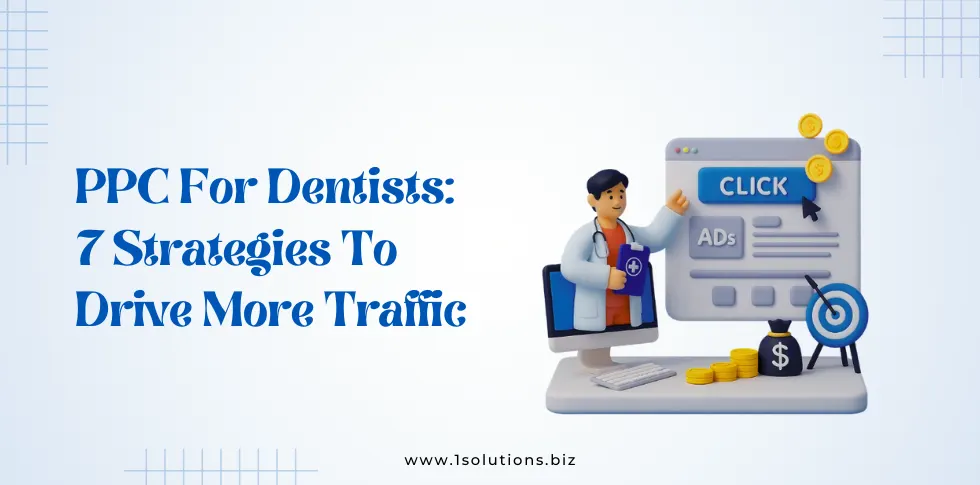
Dental practices face fierce competition for new patients. Pay per click advertising offers a powerful solution to cut through the noise and reach potential patients at the exact moment they search for dental services. When done right, PPC campaigns deliver immediate visibility and measurable results that transform practice growth.
Smart dental PPC strategies focus on capturing high intent searches while maximizing return on ad spend. This comprehensive guide reveals seven proven strategies that successful dental practices use to drive quality traffic and convert visitors into loyal patients.
Understanding PPC Fundamentals for Dental Practices
Pay per click advertising allows dental practices to display targeted ads to users actively searching for dental services. Unlike traditional advertising methods, PPC delivers immediate results and provides complete control over budget allocation and audience targeting.
Google Ads dominates the dental PPC landscape, capturing the majority of search volume for dental related queries. The platform’s sophisticated targeting options enable practices to reach potential patients based on location, demographics, search intent, and device preferences.
Successful dental PPC campaigns require understanding patient journey stages. Emergency dental searches demand immediate attention and typically convert at higher rates. Cosmetic dental procedures involve longer consideration periods and require nurturing strategies. General dental maintenance searches fall somewhere between these extremes.
Budget allocation becomes critical for dental practices with limited marketing resources. Most successful practices allocate 60% of their PPC budget to high converting emergency and general dental keywords, 25% to cosmetic procedures, and 15% to brand awareness campaigns.
Key Performance Metrics for Dental PPC
Measuring PPC success requires tracking metrics that align with practice goals. Click through rates indicate ad relevance and appeal to target audiences. Quality scores reflect Google’s assessment of ad relevance, landing page experience, and expected click through rates.
Cost per click varies significantly across dental specialties. Emergency dental keywords typically command higher prices due to immediate need and high conversion potential. Cosmetic dental keywords often cost more but generate higher lifetime patient values.
Conversion tracking proves essential for optimizing campaign performance. Practices should track phone calls, appointment requests, contact form submissions, and actual patient visits to calculate true return on ad spend.
Strategy 1: Master Local Search Optimization
Local search dominates dental PPC success. Most patients seek dental care within a reasonable driving distance from home or work. Geographic targeting ensures ad spend reaches only potential patients within service areas.
Location extensions enhance ad visibility by displaying practice addresses, phone numbers, and directions directly within search results. These extensions increase ad real estate and provide convenient ways for potential patients to contact practices immediately.
Radius targeting allows precise control over geographic reach. Urban practices might target smaller radiuses due to higher population density, while rural practices may need broader geographic targeting to capture sufficient search volume.
Local keyword research reveals search patterns specific to practice locations.
Terms like “dentist near me,” “emergency dentist [city name],” and “[neighborhood] dental office” capture high intent local searches. Incorporating local landmarks, shopping centers, and neighborhood names increases relevance for area residents.
Hiring an expert local SEO company can help you dominate local search results.
Optimizing for Mobile Local Searches
Mobile devices generate significant dental search traffic, particularly for emergency situations. Mobile optimized ads should emphasize quick contact options like click to call buttons and simplified appointment booking processes.
Location based bid adjustments help allocate budget toward highest performing geographic areas. Practices can increase bids for searches originating from affluent neighborhoods or areas with limited competition while reducing spend in underperforming locations.
Similar to how businesses optimize their Google Maps visibility for local searches, dental PPC campaigns benefit from location specific optimization strategies that connect with nearby potential patients.
Strategy 2: Target High Intent Keywords Strategically
Keyword selection determines PPC campaign success or failure. High intent keywords indicate users ready to take immediate action, while informational keywords typically generate traffic with lower conversion potential.
Emergency dental keywords represent the highest intent category. Terms like “emergency dentist,” “tooth pain relief,” “broken tooth repair,” and “dental emergency near me” capture users experiencing urgent problems who need immediate solutions.
Treatment specific keywords target users researching particular procedures. “Root canal specialist,” “wisdom tooth removal,” and “dental implants cost” indicate users further along the decision making process compared to general dental searches.
Competitor keywords allow practices to capture traffic from users searching for competing dental offices. Bidding on competitor names requires careful execution to avoid trademark issues while capitalizing on brand awareness built by competitors.
Long Tail Keyword Advantages
Long tail keywords typically cost less while delivering higher conversion rates. Phrases like “pediatric dentist accepting new patients” or “affordable cosmetic dentist downtown” capture specific user intent with reduced competition.
Question based keywords align with voice search trends and local search patterns. “What dentist takes my insurance,” “how much does teeth whitening cost,” and “where can I get emergency dental care” represent natural language searches becoming increasingly common.
Negative keywords prevent ads from appearing for irrelevant searches. Adding terms like “free,” “DIY,” “home remedies,” and “dental school” as negative keywords helps eliminate unqualified traffic and improves campaign efficiency.
Understanding keyword intent helps prioritize budget allocation. Google Ads can be used to improve overall SEO performance through strategic keyword insights and data collection.
Strategy 3: Create Compelling Ad Copy That Converts
Effective ad copy speaks directly to patient pain points and desired outcomes. Emergency dental ads should emphasize immediate availability, pain relief, and quick appointment scheduling. Cosmetic dental ads focus on confidence, appearance enhancement, and life changing results.
Headlines grab attention and communicate primary value propositions. Strong dental ad headlines include specific benefits like “Same Day Emergency Dental Care,” “Gentle Family Dentist Accepting New Patients,” or “Transform Your Smile in Just 3 Visits.”
Descriptions provide supporting details that encourage clicks while setting appropriate expectations. Including information about insurance acceptance, flexible scheduling, sedation options, and advanced technology helps qualify leads and improve conversion rates.
Call to action phrases should create urgency and guide user behavior. “Call Now for Same Day Appointment,” “Schedule Your Consultation Today,” and “Get Immediate Pain Relief” encourage immediate action from motivated prospects.
Emotional Triggers in Dental Advertising
Dental anxiety affects many potential patients. Ad copy addressing comfort, gentle care, and sedation options resonates with anxious patients seeking reassuring dental experiences. Terms like “gentle,” “comfortable,” “relaxing,” and “anxiety free” help overcome common barriers to dental care.
Social proof elements like patient testimonials, years of experience, and professional credentials build trust and credibility. Phrases like “Over 500 Five Star Reviews,” “20 Years Serving [City Name],” or “Board Certified Specialists” establish authority and reliability.
Promotional offers can motivate immediate action when used strategically. New patient specials, free consultations, and limited time discounts create compelling reasons to choose one practice over competitors.
Strategy 4: Design Landing Pages for Maximum Conversions
Landing page design directly impacts PPC campaign success. Pages must align with ad messaging while guiding visitors toward desired actions like appointment scheduling or phone calls.
Above the fold content should immediately reinforce ad promises and display clear contact information. Practice name, phone number, and primary call to action buttons must be visible without scrolling to capture users ready to take immediate action.
Trust signals including professional photos, staff credentials, patient testimonials, and before/after galleries build confidence in practice quality and expertise. These elements particularly matter for cosmetic procedures and new patient acquisition.
Contact forms should request only essential information to reduce abandonment rates. Name, phone number, and preferred appointment time typically suffice for initial contact. Longer forms can be used later in the patient journey once trust has been established.
Mobile Landing Page Optimization
Mobile landing pages require streamlined designs optimized for smaller screens and touch interactions. Click to call buttons should be prominently displayed, and forms should use mobile friendly input methods like dropdown menus and date selectors.
Page loading speed becomes critical for mobile users, particularly those experiencing dental emergencies. Optimizing images, minimizing code, and using reliable hosting ensures fast loading times that prevent user abandonment.
Location information including addresses, maps, and driving directions helps mobile users find practices easily. Integration with GPS navigation apps provides added convenience for users ready to visit immediately.
Just as important as PPC landing pages, practices should ensure their overall web presence is technically sound, which is where understanding technical SEO fundamentals becomes valuable for long term digital marketing success.
Strategy 5: Implement Advanced Targeting and Remarketing
Advanced targeting options help dental practices reach ideal patients while avoiding wasted ad spend on unlikely prospects. Demographic targeting allows practices to focus on age groups most likely to need specific services.
Pediatric dentists benefit from targeting parents aged 25 to 45, while cosmetic dental practices might focus on adults aged 30 to 60 with higher household incomes. Orthodontic practices can target families with teenagers or adults seeking alignment correction.
Device targeting enables different strategies for desktop and mobile users. Emergency dental searches often occur on mobile devices, warranting higher mobile bids and mobile optimized ad copy. Research oriented cosmetic dental searches may favor desktop users conducting thorough comparisons.
Time based targeting aligns ad delivery with user behavior patterns and practice availability. Emergency dental ads should run continuously, while routine dental care ads might focus on business hours when appointment scheduling is most convenient.
Remarketing for Dental Practices
Remarketing campaigns target users who previously visited practice websites but did not convert. These audiences typically show higher interest levels and convert at improved rates compared to cold traffic.
Website visitors can be segmented based on pages viewed and time spent on site. Users who viewed pricing pages or specific treatment information demonstrate higher purchase intent and warrant different messaging than general browsers.
Remarketing ad copy should acknowledge previous website visits while providing additional incentives to convert. Limited time offers, patient testimonials, or answers to frequently asked questions can overcome remaining objections.
Cross platform remarketing extends reach beyond Google to include Facebook, Instagram, and other platforms where potential patients spend time. This multi channel approach maintains brand awareness and provides multiple conversion opportunities.
Strategy 6: Optimize for Voice Search and Mobile
Voice search continues growing as users adopt smart speakers and mobile voice assistants for local business searches. Dental practices must adapt PPC strategies to capture this evolving search behavior.
Voice search queries typically use natural language and longer phrases compared to typed searches. Instead of “dentist Seattle,” voice users might say “find a good dentist near me that takes my insurance.” PPC campaigns should include conversational keywords that match voice search patterns.
Question based keywords become increasingly important for voice search optimization. Users ask specific questions like “what dentist is open on weekends” or “how much does a dental cleaning cost” when using voice search technology.
Featured snippet optimization helps practices appear in voice search results. Creating content that directly answers common dental questions increases chances of being selected as voice search responses.
Mobile First PPC Strategies
Mobile traffic often exceeds desktop traffic for local dental searches. Mobile first ad creation ensures optimal display and functionality across all device types while prioritizing the most important traffic source.
Mobile ad extensions like call extensions, location extensions, and sitelink extensions provide additional ways for mobile users to interact with ads. These extensions increase ad visibility and offer convenient contact methods for users on the go.
Accelerated mobile pages improve loading speeds for mobile landing pages, reducing bounce rates and improving quality scores. Faster loading times particularly benefit emergency dental campaigns where users need immediate information.
Mobile bid adjustments allow practices to increase or decrease bids based on device performance. If mobile users convert at higher rates, increasing mobile bids can capture more valuable traffic while reducing spend on underperforming desktop traffic.
Strategy 7: Track, Analyze, and Continuously Optimize
Successful dental PPC requires ongoing monitoring and optimization based on performance data. Regular analysis identifies opportunities to improve results while eliminating ineffective elements that waste budget.
Conversion tracking setup enables accurate measurement of campaign success. Practices should track phone calls, form submissions, appointment bookings, and actual patient visits to understand the complete customer journey from click to treatment.
Call tracking reveals which keywords and ads generate phone inquiries. This data proves particularly valuable for dental practices since many patients prefer calling for appointments rather than using online booking systems.
A/B testing different ad variations helps identify the most effective messaging and offers. Testing headlines, descriptions, calls to action, and landing pages provides data driven insights for campaign optimization.
Performance Analysis and Optimization
Quality score monitoring helps identify ads and keywords needing improvement. Low quality scores increase costs and reduce ad visibility, making optimization essential for campaign profitability.
Search term reports reveal which queries trigger ads, allowing for negative keyword additions and new keyword opportunities. These reports often uncover long tail keywords with high conversion potential.
Geographic performance analysis identifies the most profitable locations and times for ad display. Practices can adjust bids, budgets, and targeting based on location specific performance data.
Competitor analysis tools help monitor competitive landscape changes and identify new opportunities. Understanding competitor strategies enables practices to differentiate their offerings and identify market gaps.
Regular optimization should include bid adjustments, keyword additions and removals, ad copy updates, and landing page improvements. Monthly optimization sessions typically provide sufficient frequency for most dental practices while allowing enough time to accumulate meaningful data.
Just as practices need to address technical issues like broken internal links on their websites, PPC campaigns require regular maintenance to identify and fix underperforming elements that waste budget and reduce effectiveness.
Budget Management and ROI Optimization
Budget allocation should reflect campaign performance and practice goals. High performing campaigns warrant increased investment while underperforming campaigns need optimization or discontinuation.
Return on ad spend calculations help determine campaign profitability and guide budget decisions. Practices should calculate lifetime patient value to understand the true worth of PPC generated patients.
Seasonal adjustments account for predictable fluctuations in dental service demand. Emergency dental services maintain consistent demand year round, while cosmetic procedures might see increased interest before holidays and special events.
Businesses should understand changes in Google’s advertising policies. Dental practices must stay informed about platform updates that affect campaign performance and optimization strategies.
Integration with Overall Digital Marketing Strategy
PPC campaigns work best when integrated with comprehensive digital marketing strategies that include SEO, social media marketing, and reputation management. This holistic approach maximizes online visibility and reinforces brand messaging across multiple touchpoints.
SEO and PPC integration creates powerful synergies where paid advertising provides immediate visibility while organic search efforts build long term sustainable traffic. Keyword data from PPC campaigns informs SEO strategies, while SEO research identifies new PPC keyword opportunities.
Social media integration extends PPC reach through remarketing campaigns on Facebook and Instagram. Patients who engage with practice social media content can be targeted with specific ads promoting relevant services and special offers.
Email marketing campaigns can nurture PPC generated leads who are not ready for immediate treatment. Automated follow up sequences provide educational content and appointment reminders that convert prospects into patients over time.
Understanding the complete digital ecosystem helps practices make informed decisions about resource allocation across different marketing channels. While PPC provides immediate results, combining it with strategies like AI powered SEO techniques creates sustainable long term growth.
Reputation Management and PPC
Online reputation directly impacts PPC campaign success. Practices with positive reviews and strong online reputations typically achieve higher click through rates and conversion rates from their advertising efforts.
Review generation campaigns can complement PPC efforts by encouraging satisfied patients to leave positive reviews on Google, Facebook, and other platforms. These reviews improve ad performance while supporting organic search rankings.
Reputation monitoring tools help practices identify and address negative reviews quickly before they impact advertising performance. Prompt response to negative feedback demonstrates professionalism and commitment to patient satisfaction.
Common PPC Mistakes to Avoid
Many dental practices make costly PPC mistakes that waste budget and reduce campaign effectiveness. Understanding these common pitfalls helps practices avoid expensive errors and achieve better results.
Broad keyword targeting often generates irrelevant traffic with low conversion potential. While broad keywords might seem appealing due to higher search volumes, they typically deliver poor return on investment for dental practices.
Neglecting mobile optimization costs practices valuable traffic and conversions. With mobile devices generating significant dental search traffic, campaigns must prioritize mobile user experience and functionality.
Poor landing page alignment with ad messaging creates confusion and increases bounce rates. Landing pages must fulfill promises made in ads while guiding visitors toward desired actions.
Insufficient conversion tracking prevents practices from understanding campaign performance and optimizing for better results. Without proper tracking, practices cannot identify which keywords, ads, and targeting options generate the best return on investment.
Budget and Bidding Mistakes
Setting daily budgets too low prevents campaigns from generating sufficient data for optimization decisions. While budget constraints are understandable, extremely low budgets often fail to produce meaningful results.
Manual bidding without proper monitoring can quickly exhaust budgets on ineffective keywords. Automated bidding strategies often provide better results for practices without dedicated PPC management expertise.
Ignoring seasonal trends and demand fluctuations leads to missed opportunities and wasted spend. Dental practices should adjust campaigns based on predictable seasonal patterns and local events that influence demand.
Just as practices should avoid social media mistakes that hurt organic reach, PPC campaigns require careful attention to best practices and common pitfalls that can derail campaign success.
Future Trends in Dental PPC
Artificial intelligence and machine learning continue transforming PPC advertising platforms. Google’s automated bidding strategies become increasingly sophisticated, often outperforming manual bid management for practices with sufficient conversion data.
Visual search capabilities may impact how patients discover dental services. Practices should prepare for image based searches where users upload photos of dental problems to find relevant treatment providers.
Voice search optimization becomes increasingly important as smart speaker adoption grows and voice assistants improve their local search capabilities. Practices must adapt keyword strategies and content to match conversational search patterns.
Privacy regulations and cookie restrictions affect remarketing capabilities and audience targeting options. Practices should prepare for reduced tracking capabilities while focusing on first party data collection and email marketing integration.
Emerging Technologies and Opportunities
Augmented reality advertising might allow practices to showcase treatment results and office environments through interactive ad formats. These immersive experiences could improve conversion rates for cosmetic dental procedures.
Advanced audience targeting based on health interests and behaviors provides new opportunities to reach ideal patients. However, practices must navigate healthcare advertising regulations while leveraging these targeting options.
Integration with telemedicine platforms could create new PPC opportunities for virtual consultations and treatment planning. This trend accelerated during recent healthcare changes and may continue expanding.
Cross platform attribution models help practices understand the complete customer journey across multiple touchpoints. This data enables more sophisticated budget allocation and campaign optimization decisions.
Staying current with digital marketing trends, including understanding AI powered SEO tools, helps practices maintain competitive advantages and adapt their PPC strategies to evolving patient behaviors and platform capabilities.
Measuring Long Term Success
Successful dental PPC extends beyond immediate conversions to include long term patient relationships and practice growth. Measuring lifetime patient value provides clearer understanding of PPC investment returns.
Patient retention rates from PPC generated leads indicate campaign quality and targeting effectiveness. High quality campaigns should generate patients who remain with practices long term and refer others.
Brand awareness metrics show how PPC campaigns influence overall practice recognition and reputation. Increased branded search volume and direct website traffic often result from successful paid advertising efforts.
Market share growth within service areas demonstrates PPC’s contribution to competitive positioning. Practices should monitor their visibility relative to competitors across key service categories.
Revenue attribution analysis connects PPC spend to actual practice revenue and profitability. This comprehensive measurement approach justifies continued investment and guides strategic decision making.
Regular reporting and analysis help practices understand PPC’s role in overall practice growth and patient acquisition. Monthly performance reviews should examine not just immediate metrics but also longer term trends and patient relationship development.
PPC success for dental practices requires commitment to ongoing optimization and adaptation to changing market conditions. Practices that invest in comprehensive strategies and consistent management typically achieve the best long term results.
Ready to transform your dental practice’s online presence and drive more qualified patients through strategic PPC campaigns? At 1Solutions, we specialize in creating comprehensive digital marketing strategies that combine effective PPC management with SEO optimization, technical website improvements, and local search dominance.
Our team understands the unique challenges facing dental practices and delivers measurable results that grow your patient base and increase practice profitability. Contact us today to discover how our proven PPC strategies can elevate your practice above the competition and establish your brand as the premier dental choice in your community.
Frequently Asked Questions
How much should a dental practice spend on PPC advertising?
Most successful dental practices allocate 3% to 5% of their gross revenue to PPC advertising. Practices in competitive markets or those seeking aggressive growth might invest 7% to 10%. New practices often need higher initial investment to establish market presence, while established practices can maintain visibility with lower ongoing spend.
What is the average cost per click for dental keywords?
Dental PPC costs vary significantly by location and competition level. Emergency dental keywords typically range from $5 to $15 per click, while cosmetic dental terms can exceed $20 per click in major metropolitan areas. General dental keywords usually fall between $3 to $8 per click, depending on local market conditions.
How long does it take to see results from dental PPC campaigns?
Well structured dental PPC campaigns typically generate immediate traffic and phone calls within 24 to 48 hours of launch. However, optimization for maximum efficiency usually requires 30 to 60 days of data collection and refinement. Full campaign maturity and optimal performance often develop over 3 to 6 months of consistent management.
Should dental practices bid on competitor names?
Competitor bidding can be effective when executed carefully within legal boundaries. Practices should avoid using competitor names in ad copy but can bid on competitor terms to capture users comparing options. This strategy works best when combined with strong value propositions that differentiate your practice from competitors.
What conversion rate should dental practices expect from PPC?
Dental PPC conversion rates typically range from 2% to 5% for general campaigns, with emergency dental campaigns often achieving 5% to 8% conversion rates. Conversion rates depend heavily on targeting quality, ad relevance, landing page optimization, and local competition levels. Practices with strong online reputations usually achieve higher conversion rates.
How important are Google Ads extensions for dental practices?
Ad extensions significantly improve dental PPC performance by increasing ad visibility and providing additional contact methods. Call extensions are particularly valuable since many patients prefer calling for appointments. Location extensions help mobile users find practices easily, while sitelink extensions can highlight specific services or special offers.
Can small dental practices compete with large chains in PPC?
Small dental practices can successfully compete through strategic targeting and positioning. Focus on local keywords, neighborhood specific terms, and personal service advantages that large chains cannot match. Emphasizing personal relationships, flexible scheduling, and community involvement often resonates better than corporate messaging from larger competitors.










 in India