














































































Silo structure is one of the most powerful yet underutilized SEO strategies that can transform your website’s search engine performance. This organizational method helps search engines understand your content better while improving user experience and boosting your rankings across multiple keywords.
When implemented correctly, silo structure creates a logical hierarchy that guides both visitors and search engine crawlers through your website systematically. Think of it as creating distinct neighborhoods within your digital city, where each area focuses on a specific topic or theme.
Many business owners struggle with organizing their website content effectively. They create pages randomly without considering how these pages connect or support each other. This approach leads to confusion for search engines and missed opportunities for higher rankings.
Understanding and implementing silo structure can be the difference between a website that performs adequately and one that dominates search results. Let’s explore how this strategy works and why it matters for your SEO success.
Understanding the Basics of Website Silo Structure
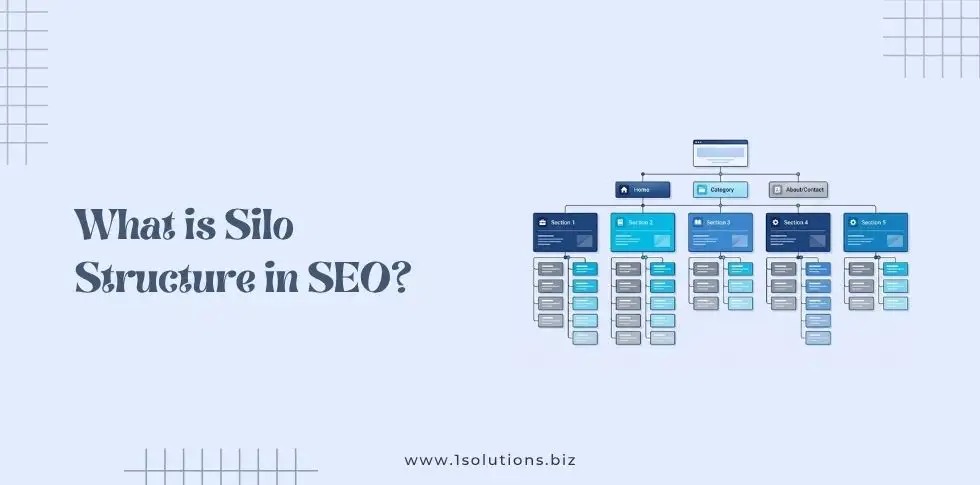
Website silo structure organizes your content into themed categories that remain separate from each other. Each silo focuses on a specific topic, creating topical authority within that subject area. This organization helps search engines understand what your website covers and which pages are most important for specific topics.
The concept borrows from traditional library organization systems. Just as libraries group books by subject matter, silo structure groups web pages by topic. This logical arrangement makes it easier for visitors to find relevant information and helps search engines categorize your content accurately.
A properly structured silo contains a main category page that serves as the hub for that topic. Supporting pages within the silo link to this main page and to each other, creating a web of related content. However, pages in one silo typically do not link directly to pages in other silos, maintaining clear separation between topics.
This separation is crucial because it prevents topic dilution. When you link randomly between unrelated topics, you confuse search engines about your page’s primary focus. Silo structure eliminates this confusion by creating clear topical boundaries.
Physical vs Virtual Silo Structure
There are two main approaches to implementing silo structure: physical and virtual. Physical silo structure organizes content through your website’s URL hierarchy and folder structure. For example, all pages about SEO services would live under /seo/, while web development content would be under /web-development/.
Virtual silo structure relies primarily on internal linking patterns rather than URL organization. Pages can exist anywhere in your site structure, but they link only to related pages within their topic silo. This approach offers more flexibility but requires careful planning to maintain clear topical boundaries.
Most successful websites combine both approaches, using logical URL structures alongside strategic internal linking. This dual approach provides the strongest signal to search engines about your content organization and topic focus.
Why Silo Structure Matters for SEO Performance
Search engines constantly work to understand what your website is about and which pages should rank for specific queries. Silo structure provides clear signals about your content organization, making it easier for algorithms to categorize and rank your pages appropriately.
When you organize content into focused silos, you create topical authority within each subject area. Search engines recognize this focused approach and are more likely to rank your pages higher for relevant keywords. This is particularly important as Google continues to emphasize expertise, experience, authoritativeness, and trustworthiness in its ranking algorithms.
Implementing effective SEO strategies for startups often begins with proper site structure. Startups benefit significantly from silo structure because it helps them establish authority in their niche more quickly than scattered content approaches.
Improved Crawling and Indexing
Search engine crawlers navigate your website through links, and silo structure creates clear pathways for these bots to follow. When crawlers can easily understand your site organization, they spend more time indexing your important pages and less time getting lost in confusing link structures.
Proper silo structure also helps solve common indexing issues. If you’re experiencing problems with pages not appearing in search results, implementing better site organization often resolves these issues. Understanding why Google isn’t indexing your pages often starts with examining your site structure and internal linking patterns.
Each silo acts like a mini-website focused on a specific topic. This focused approach helps search engines understand the depth of your expertise in each area, leading to better rankings across multiple related keywords within each silo.
Enhanced User Experience
Visitors arrive at your website with specific needs and questions. Silo structure helps them find relevant information quickly by organizing content logically. When users can navigate intuitively through related topics, they spend more time on your site and engage more deeply with your content.
This improved user experience sends positive signals to search engines. Metrics like time on site, pages per session, and bounce rate all improve when visitors can easily find what they’re looking for. Search engines interpret these engagement signals as indicators of content quality and relevance.
A well-structured silo also increases the likelihood that visitors will convert into customers. When they can easily explore all aspects of a topic that interests them, they develop greater trust in your expertise and are more likely to choose your services.
Planning Your Website Silo Architecture
Successful silo implementation starts with thorough planning. You need to understand your target audience, identify your main topic areas, and map out how these topics relate to your business goals. This planning phase determines the success of your entire silo structure strategy.
Begin by conducting comprehensive keyword research to identify the main topics your audience searches for. Group these keywords into related clusters that will form the foundation of each silo. Each cluster should represent a significant aspect of your business that deserves its own focused section.
Consider your business objectives when defining silo topics. Each silo should support your overall marketing goals and lead visitors toward conversion actions. For example, a digital marketing agency might create silos for SEO services, web development, social media marketing, and content creation.
Identifying Main Silo Categories
Your main silo categories should represent the primary ways your audience thinks about your industry. These categories become the foundation of your entire site structure, so choose them carefully. Most websites work best with three to seven main silos, allowing for focused content without overwhelming complexity.
Each main category should be broad enough to support multiple pages of content but specific enough to maintain clear focus. For instance, a plumbing company might create silos for emergency services, installation services, maintenance services, and commercial services. Each silo can then contain multiple supporting pages that dive deeper into specific aspects of that category.
When planning your SEO checklist for 2026, include silo structure evaluation as a priority item. Regular assessment ensures your silo organization continues supporting your SEO goals as your business evolves.
Mapping Content Hierarchies
Within each silo, establish a clear hierarchy of content importance. The main category page sits at the top, acting as the hub for that topic. Supporting pages branch out from this hub, covering specific subtopics in detail. This hierarchical organization helps search engines understand which pages are most important for each topic.
Create a visual map of your planned silo structure before implementation. This map should show how pages connect within each silo and identify any potential gaps in your content coverage. Planning your structure visually helps prevent organizational mistakes that could weaken your SEO performance.
Consider the user journey when mapping your hierarchies. Visitors should be able to move logically from general information to specific details within each silo. This natural progression keeps users engaged and signals content quality to search engines.
Implementing Effective Internal Linking for Silos
Internal linking forms the backbone of your silo structure, creating the connections that define each topic cluster. Strategic linking within silos strengthens topical authority while maintaining clear boundaries between different subject areas. Understanding how to execute this properly can make or break your silo structure success.
Within each silo, create a hub and spoke linking pattern. The main category page serves as the hub, with supporting pages linking to it and receiving links from it. Supporting pages can also link to each other when the connection adds value for users, but these cross-links should remain within the same topic silo.
Avoid linking between different silos unless absolutely necessary for user experience. When cross-silo links are essential, use them sparingly and ensure they add genuine value. Too many cross-silo links can dilute your topical authority and confuse search engines about your content focus.
Learning how to find and fix broken internal links becomes crucial when maintaining silo structure. Broken links within a silo can disrupt the flow of authority and harm your SEO performance. Regular link audits help maintain the integrity of your silo architecture.
Strategic Anchor Text Optimization
The anchor text you use for internal links within silos should reinforce the topical focus of your target pages. Use descriptive, keyword-rich anchor text that clearly indicates what visitors will find on the linked page. This approach helps both users and search engines understand the connection between pages.
Vary your anchor text to avoid over-optimization while maintaining topical relevance. Use synonyms, related terms, and natural language variations that still convey the target page’s focus. This variation appears more natural to search engines while maintaining the topical strength of your silo structure.
Consider the context surrounding your internal links. The content immediately before and after your links provides additional signals about the relationship between pages. Ensure this surrounding context supports your silo organization and reinforces the topical connections you’re creating.
Maintaining Link Equity Flow
Internal links pass authority (link equity) between pages, and silo structure should optimize this flow to strengthen your most important pages. The main category page in each silo should typically receive the most internal links, establishing it as the primary authority for that topic cluster.
Supporting pages within a silo should receive internal links based on their importance and the value they provide to users. More important supporting pages should receive more internal links, while less critical pages might receive fewer links but still maintain their connection to the silo hub.
Monitor the link equity distribution within your silos using SEO tools that track internal link metrics. This monitoring helps you identify pages that might need additional internal links to reach their ranking potential or pages that might be receiving too much link equity relative to their importance.
Technical Implementation of Silo Structure
The technical aspects of silo implementation require careful attention to URL structure, navigation design, and site architecture. These technical elements work together to reinforce your silo organization and provide clear signals to search engines about your content hierarchy.
URL structure plays a crucial role in physical silo implementation. Organize your URLs to reflect your silo architecture, with main category pages using short, descriptive URLs and supporting pages extending from these base URLs. For example: /seo-services/ for the main page and /seo-services/local-seo/ for a supporting page.
This URL organization helps search engines understand your site structure immediately. It also makes your website more user-friendly by creating predictable URL patterns that visitors can navigate intuitively.
When working on technical SEO improvements, silo structure should be a priority consideration. Technical SEO and silo structure work together to create a strong foundation for all your other optimization efforts.
Navigation Menu Design
Your navigation menu should reflect your silo structure clearly. Main navigation items should correspond to your primary silos, with dropdown menus revealing the supporting pages within each silo. This navigation design reinforces your site organization for both users and search engines.
Keep navigation simple and intuitive. Visitors should understand your site organization within seconds of arriving on any page. Complicated navigation systems can undermine even the best silo structure by creating confusion about your content organization.
Consider implementing breadcrumb navigation to further reinforce your silo structure. Breadcrumbs show the hierarchical path from the homepage to the current page, providing additional context about your site organization and helping users navigate between related pages.
Schema Markup and Structured Data
Implement schema markup to provide additional context about your silo structure to search engines. Use appropriate schema types for your main category pages and supporting pages, helping search engines understand the relationships between different pieces of content.
Breadcrumb schema can be particularly valuable for silo structures, as it explicitly shows the hierarchical relationship between pages. This structured data helps search engines understand your content organization and may lead to enhanced search result displays.
Consider using article schema for blog posts within your silos, organization schema for service pages, and other relevant schema types that provide context about your content and business. This structured data reinforces the topical organization you’ve created through your silo structure.
Content Strategy for Silo Success
Creating effective silo structure goes beyond organization; it requires a strategic approach to content creation that supports your topical authority goals. Each piece of content within a silo should strengthen the overall topic focus while providing genuine value to your audience.
Develop comprehensive content plans for each silo that cover all aspects of your topic area. This comprehensive coverage demonstrates expertise to both users and search engines. Look for content gaps within each silo and create new pages to fill these gaps systematically.
Your content strategy should consider the search intent behind different types of queries within each silo. Some pages should target informational queries, others should focus on commercial intent, and still others should target navigational searches. This variety ensures your silo captures traffic at all stages of the customer journey.
Following a comprehensive on-page SEO checklist for WordPress websites becomes essential when developing silo content. Each page within your silos should be fully optimized to support your overall topical authority goals.
Content Depth and Quality Standards
Each page within your silos should meet high standards for depth and quality. Shallow content weakens your topical authority and can harm the performance of other pages within the same silo. Invest in creating comprehensive, valuable content that thoroughly addresses your target topics.
Maintain consistency in content quality across all pages within each silo. A few weak pages can undermine the authority of stronger pages within the same topic cluster. Regular content audits help identify pages that need improvement or updating to maintain silo strength.
Consider creating pillar content pieces that serve as comprehensive resources for major topics within each silo. These substantial pieces can attract links and social shares while establishing your authority in specific subject areas.
Keyword Distribution Across Silos
Distribute keywords strategically across the pages within each silo. The main category page should target the primary keyword for that silo, while supporting pages target related long-tail keywords and variations. This distribution helps you capture traffic for a wide range of related searches.
Avoid keyword cannibalization by ensuring each page within a silo targets distinct keywords or keyword variations. Multiple pages targeting the same keyword can compete against each other and weaken your overall rankings for that term.
Use keyword research tools to identify opportunities for new supporting pages within existing silos. As search behavior evolves, new keyword opportunities emerge that can strengthen your topical coverage and authority.
Common Silo Structure Mistakes to Avoid
Many website owners make critical errors when implementing silo structure that can undermine their SEO efforts. Understanding these common mistakes helps you avoid them and implement a more effective silo strategy from the beginning.
One of the most frequent mistakes is creating too many silos. While comprehensive coverage seems beneficial, too many silos can spread your authority too thin and create maintenance challenges. Focus on a smaller number of well-developed silos rather than numerous weak ones.
Another common error is inconsistent internal linking that breaks silo boundaries unnecessarily. Random links between unrelated topics dilute your topical authority and confuse search engines about your content focus. Maintain disciplined linking practices that support your silo structure.
Over-optimization is another pitfall to avoid. While silo structure is powerful, implementing it too rigidly can create an unnatural user experience. Balance SEO goals with genuine user needs, and be willing to break silo boundaries when it truly benefits your visitors.
Neglecting User Experience
Some website owners become so focused on silo structure that they forget about user experience. If your silo implementation makes it difficult for visitors to find what they need or creates an unnatural browsing experience, it will ultimately hurt your SEO performance.
Always test your silo structure with real users to ensure it makes sense from their perspective. What seems logical to you might confuse your audience. User feedback helps identify areas where your silo implementation needs adjustment.
Remember that search engines ultimately want to deliver the best user experience. If your silo structure conflicts with user needs, search engines may not reward your optimization efforts as expected.
Insufficient Content Depth
Creating silo categories without sufficient content to support them is a common mistake that weakens your overall strategy. Each silo needs substantial, high-quality content to establish topical authority. Planning your content roadmap before implementing silo structure helps avoid this problem.
Regularly audit your silos to identify thin content areas that need development. Strengthening weak areas within existing silos often provides better ROI than creating new silos with insufficient content support.
Consider the competitive landscape when evaluating content depth requirements. If competitors have extensive content coverage in your target areas, you need to match or exceed their depth to compete effectively.
Measuring Silo Structure Success
Tracking the performance of your silo structure helps you understand what’s working and identify areas for improvement. Effective measurement requires monitoring multiple metrics that indicate both SEO performance and user engagement within your topic clusters.
Monitor organic traffic growth for pages within each silo to assess the impact of your topical organization. Well-structured silos should show improved rankings and traffic for target keywords over time. Track these improvements at both the individual page level and the silo level.
Pay attention to user engagement metrics within each silo, including time on site, pages per session, and internal click-through rates. These metrics indicate whether your silo structure is helping users find and consume related content effectively.
Using comprehensive AI SEO tools can help you track and analyze the performance of your silo structure more effectively. These tools can identify opportunities for improvement and help you optimize your implementation over time.
Key Performance Indicators
Establish specific KPIs for each silo based on your business objectives. These might include ranking improvements for target keywords, increased organic traffic to silo pages, improved conversion rates, or enhanced user engagement metrics. Clear KPIs help you measure the true impact of your silo structure efforts.
Track the performance of your main category pages compared to supporting pages within each silo. The hub pages should typically show the strongest performance, but supporting pages should also benefit from the topical authority created by the silo structure.
Monitor your website’s overall topical authority using tools that measure domain expertise in different subject areas. Successful silo implementation should lead to increased recognition as an authority in your target topics.
Ongoing Optimization Strategies
Silo structure is not a set-it-and-forget-it strategy. Regular optimization based on performance data helps you maximize the benefits of your topical organization. Analyze which silos perform best and identify factors that contribute to their success.
Update and expand successful silos with additional supporting content that reinforces your topical authority. As search behavior evolves and new opportunities emerge, your silo structure should evolve to capture these opportunities.
Consider seasonal or trending topics that might warrant temporary expansion of existing silos. This flexibility helps you capitalize on current interests while maintaining your core topical focus.
Advanced Silo Structure Techniques
Once you’ve mastered basic silo implementation, advanced techniques can further enhance your results. These strategies require more sophisticated planning and execution but can provide significant competitive advantages in crowded markets.
Topic clustering within silos creates even more focused organization. Instead of simple hub and spoke patterns, create sub-clusters within larger silos that address specific aspects of broader topics. This nested approach can strengthen your authority for very competitive keywords.
Cross-silo supporting content can bridge related topics without weakening your primary silo structure. Create content that naturally connects different silos while maintaining clear primary categorization. This approach helps capture traffic for hybrid topics that span multiple areas of expertise.
Implementing advanced AI SEO strategies for 2026 can help you identify new opportunities for silo expansion and optimization. AI tools can analyze search patterns and content gaps to suggest new directions for your silo development.
Geographic and Demographic Silo Variations
For businesses serving multiple geographic markets, consider creating location-based variations within your main silos. This approach helps you capture local search traffic while maintaining topical authority. Each geographic variation should include locally relevant content and keywords.
Demographic variations can also strengthen silo performance for businesses serving distinct audience segments. Create content variations within silos that address the specific needs, language, and concerns of different customer groups.
Balance these variations with your main silo structure to avoid diluting your topical focus. Geographic and demographic variations should enhance rather than replace your primary topical organization.
Seasonal and Trending Topic Integration
Develop strategies for incorporating seasonal and trending topics into your existing silo structure. These timely additions can drive traffic spikes while reinforcing your authority in core topic areas. Plan seasonal content calendars that align with your silo organization.
Create flexible silo sections that can accommodate trending topics related to your core themes. This flexibility helps you capitalize on current events and trending searches without disrupting your established silo architecture.
Monitor trending topics in your industry and evaluate how they might fit within existing silos or warrant new silo creation. Quick response to trending topics can provide significant traffic opportunities when executed within a solid silo framework.
Silo Structure for Different Business Types
The optimal silo structure varies significantly depending on your business type, target audience, and industry characteristics. Understanding how to adapt silo principles to different business models helps you create more effective implementations.
Service-based businesses often benefit from silo structures organized around different service categories. For example, a digital marketing agency might create silos for SEO services, web development, social media marketing, and paid advertising. Each silo can then contain supporting pages that address specific aspects of those services.
E-commerce websites typically organize silos around product categories, but can also benefit from informational silos that address customer questions and concerns. Implementing SEO packages for e-commerce websites often includes silo structure optimization tailored to product and category hierarchies.
Professional service firms might organize silos around different types of legal, financial, or consulting services they provide. Each silo should demonstrate deep expertise in that specific area while supporting the firm’s overall authority and reputation.
Local Business Silo Strategies
Local businesses can benefit from silo structures that combine service categories with geographic targeting. Create main silos for your primary services, then include location-specific supporting pages within each silo to capture local search traffic.
Restaurant and hospitality businesses might organize silos around different aspects of their offerings: menu categories, event services, catering, and location information. Each silo should address specific customer needs while building overall brand authority.
Professional service providers in local markets can create silos that address common local concerns and regulations. This localized approach helps establish authority in both your service area and your geographic market.
Content-Heavy Website Organization
News sites, blogs, and content-heavy websites need sophisticated silo strategies that can handle large volumes of content. Consider creating primary topic silos with sub-categorization systems that can accommodate ongoing content publication.
Educational websites and online learning platforms can organize silos around different subjects or skill levels. This organization helps learners find appropriate content while establishing the site’s authority in various educational areas.
Industry publication websites might create silos around different aspects of their coverage area: news, analysis, how-to guides, and industry directories. Each silo serves different user needs while contributing to overall topical authority.
Future-Proofing Your Silo Structure
Search engine algorithms continue evolving, and successful silo structures must adapt to these changes while maintaining their core organizational benefits. Understanding current trends and preparing for future developments helps ensure your silo strategy remains effective long-term.
Voice search optimization is becoming increasingly important, and silo structure can support this trend by organizing content around natural language queries and conversational topics. Voice search optimization strategies work well within properly structured silos that address complete topic areas comprehensively.
Artificial intelligence and machine learning are changing how search engines understand content relationships. Silo structure that focuses on genuine topical authority rather than mechanical keyword optimization will likely perform better as these technologies advance.
Mobile-first indexing requires silo structures that work well on mobile devices. Ensure your navigation and internal linking patterns provide smooth mobile experiences that support your silo organization goals.
Adapting to Algorithm Changes
Stay informed about search engine algorithm updates and evaluate how they might impact your silo structure effectiveness. Major updates often change how search engines evaluate content relationships and topical authority.
Maintain flexibility in your silo implementation to accommodate algorithm changes without completely rebuilding your structure. Well-planned silo architectures can usually be adjusted rather than replaced when search engine priorities shift.
Focus on creating genuine value for users rather than trying to manipulate search engine algorithms. This user-focused approach helps ensure your silo structure remains effective regardless of specific algorithm changes.
Emerging Technology Integration
Consider how emerging technologies like augmented reality, virtual reality, and advanced AI might create new content opportunities within your existing silos. Planning for these possibilities helps you adapt quickly when new technologies become mainstream.
Integration with social media platforms and other external systems should support your silo organization. Ensure that content distribution across different channels reinforces rather than dilutes your topical authority.
Stay informed about new content formats and presentation methods that might enhance your silo effectiveness. Video, interactive content, and other engaging formats can strengthen silo performance when implemented strategically.
Getting Started with Your Silo Implementation
Beginning your silo structure implementation requires careful planning and systematic execution. Start with a thorough audit of your existing content and website organization to understand what you’re working with and identify the biggest opportunities for improvement.
Create a detailed plan that outlines your target silo categories, the content needed for each silo, and the timeline for implementation. This planning phase prevents mistakes and ensures your silo structure supports your business goals effectively.
Consider starting with one or two well-developed silos rather than trying to implement everything at once. This phased approach allows you to learn from initial results and refine your strategy before expanding to additional topic areas.
Working with experienced professionals can help you avoid common mistakes and implement more effective silo strategies. Consider partnering with an SEO agency that understands silo structure implementation and can guide you through the process successfully.
At 1Solutions, we specialize in helping businesses implement effective silo structures that drive real SEO results. Our team understands the technical and strategic aspects of silo implementation and can help you create an organization strategy that supports your long-term growth goals.
Whether you need help with initial planning, technical implementation, or ongoing optimization, our experienced team can provide the expertise you need to succeed. We’ve helped businesses across various industries improve their search engine performance through strategic silo implementation.
Ready to transform your website’s SEO performance with properly implemented silo structure? Get a free proposal to learn how we can help you create a silo organization strategy that drives measurable results for your business.
Frequently Asked Questions
How long does it take to see results from silo structure implementation?
Most websites begin seeing improvements within 3-6 months of implementing proper silo structure. However, the timeline varies based on factors like website size, competition level, and content quality. Larger websites with more complex structures may take longer to show results, while smaller sites with focused implementations often see improvements more quickly. The key is maintaining consistent implementation and regularly monitoring performance metrics.
Can I implement silo structure on an existing website without starting over?
Yes, you can implement silo structure on existing websites through strategic reorganization and internal linking adjustments. Start by auditing your current content and identifying natural topic clusters. Then gradually adjust your internal linking patterns and URL structures to support silo organization. This process requires careful planning to avoid disrupting existing search engine rankings, but it’s definitely achievable with the right approach.
What’s the ideal number of silos for a business website?
Most business websites perform best with 3-7 main silos, though the optimal number depends on your industry, business size, and content volume. Too few silos may not adequately cover your expertise areas, while too many can spread your authority too thin. Focus on creating substantial, well-developed silos rather than numerous shallow ones. Quality and depth matter more than quantity when it comes to silo structure success.
How do I handle products or services that could fit into multiple silos?
When content could logically fit into multiple silos, choose the primary category based on search intent and business priorities. Place the content in the most relevant silo and use strategic internal linking to connect it with related topics in other silos when necessary. You can also create supporting content in other silos that references the main content piece, maintaining topical authority while providing comprehensive coverage.
Should I create separate silos for different geographic locations?
Geographic silo separation depends on your business model and target markets. Local businesses serving multiple distinct markets often benefit from location-specific silos or location variations within service silos. However, businesses targeting broader geographic areas typically perform better with service-based silos that incorporate location-specific supporting content. Consider your audience’s search behavior and business objectives when making this decision.
How often should I review and update my silo structure?
Review your silo structure quarterly to assess performance and identify opportunities for improvement. Major reviews should happen annually or when significant business changes occur. Monitor your silo performance regularly using analytics data, and make minor adjustments as needed based on user behavior and search performance. Staying responsive to performance data helps ensure your silo structure continues supporting your SEO goals effectively.
What tools can help me implement and monitor silo structure effectively?
Several tools can support silo structure implementation and monitoring. SEO platforms like SEMrush, Ahrefs, and Screaming Frog help analyze internal linking patterns and site structure. Google Analytics and Search Console provide performance data for individual silos. Site mapping tools help visualize your structure, while content audit tools identify gaps and opportunities within each silo. Choose tools that align with your technical expertise and budget requirements.
Conclusion
Silo structure is not just an SEO tactic, it is a foundational strategy that shapes how your entire website performs in search engines and serves your users. When your content is organized into clear, focused topic clusters, it becomes easier for search engines to understand your expertise and rank your pages for relevant queries.
More importantly, a well-implemented silo structure improves user experience by guiding visitors through a logical content journey. This increases engagement, builds trust, and ultimately drives more conversions. Instead of scattered pages competing with each other, your content works together to strengthen your overall authority.
The key to success lies in thoughtful planning, strategic internal linking, and consistently high-quality content within each silo. Avoid overcomplicating your structure, focus on user intent, and keep refining your approach based on performance data.
If you want long-term SEO growth and sustainable rankings, silo structure is a strategy you cannot ignore. Start small, stay consistent, and scale your silos as your website grows. Over time, this structured approach will position your website as a trusted authority in your niche and deliver measurable SEO results.












 in India