







































































In today’s competitive digital environment, achieving visibility on Google requires far more than publishing high-quality content.
While content marketing and backlink strategies remain essential, they cannot perform effectively without a strong technical foundation. This is where Technical SEO becomes mission-critical.
Many businesses invest heavily in blog development, keyword optimization, and outreach campaigns. However, they often overlook the structural integrity of their website. When technical issues exist behind the scenes, even the most valuable content may struggle to rank, index, or convert effectively.
Technical SEO focuses on optimizing the infrastructure of a website so search engines can efficiently crawl, interpret, and index its pages. It ensures that your digital assets are accessible, secure, fast, and structured in a way that search engines understand.
Organizations aiming for scalable, long-term growth often rely on professional Technical SEO Services to strengthen this foundational layer and eliminate performance bottlenecks that limit visibility.
This comprehensive guide explains what Technical SEO is, why it matters, how it works, and how it contributes directly to business growth.
Understanding Technical SEO
Technical SEO refers to the optimization of website infrastructure to improve crawlability, indexability, speed, security, and overall performance. Unlike on-page SEO, which focuses on content quality and keyword placement, Technical SEO addresses backend elements that influence how search engines interact with your site.
In simplified terms, Technical SEO ensures that search engines can access your website, understand its content, and include it in search results without encountering structural barriers.
Key components include:
- Site architecture optimization
- Crawl management
- XML sitemaps
- Robots.txt configuration
- Page speed optimization
- Mobile responsiveness
- HTTPS security
- Structured data implementation
- Canonical tag management
Technical SEO acts as the framework that supports all other SEO activities. Without it, content and backlinks cannot reach their full ranking potential.
Why Technical SEO Matters for Businesses
Search engines prioritize delivering fast, secure, and user-friendly experiences. Websites that fail to meet technical performance standards risk losing rankings, traffic, and revenue.
Technical SEO matters because it:
- Improves search engine crawl efficiency
- Enhances indexing accuracy
- Reduces page load time
- Strengthens mobile performance
- Protects against duplicate content issues
- Improves user experience
- Supports higher conversion rates
Performance is directly tied to business outcomes. Research consistently shows that slower websites experience higher bounce rates and lower conversion rates. Even a minor delay in load time can reduce revenue significantly.
Organic search remains one of the largest traffic acquisition channels across industries. Integrating technical optimization with broader Search Engine Optimization Services ensures sustainable growth and measurable ROI.
Technical SEO is not optional-it is strategic infrastructure.
How Search Engines Work: Crawling, Indexing, and Ranking
A comprehensive understanding of Technical SEO begins with clarity on how search engines operate. Platforms such as Google rely on structured processes to discover, evaluate, and rank web content. These processes occur in three primary stages: crawling, indexing, and ranking.
1. Crawling
Search engines deploy automated programs commonly referred to as crawlers or spiders to systematically discover content across the web.
For example, Googlebot navigates websites by following internal and external links, identifying new pages and updates to existing ones.
Crawl efficiency directly impacts visibility. If search engines cannot access critical pages, those pages cannot compete in search results.
Common barriers to effective crawling include:
- Broken internal links
- Redirect chains or loops
- Blocked CSS, JavaScript, or other essential resources
- Misconfigured robots.txt files
- Orphaned pages lacking internal links
Strategic crawl management ensures that high-value pages are consistently discovered and revisited, enabling optimal search engine access.
2. Indexing
Once a page is crawled, it undergoes analysis. Search engines evaluate content quality, structure, relevance, and technical signals before storing the page in their index—a vast database of eligible search results.
Only indexed pages can appear in search listings.
Frequent indexing challenges include:
- Unintentional noindex directives
- Duplicate URL variations
- Thin or low-value content
- Incorrect or conflicting canonical tags
Tools such as Google Search Console provide actionable insights into indexing status, allowing site owners to diagnose and resolve issues before they affect performance.
3. Ranking
After indexing, search engines assess pages against hundreds of ranking signals to determine their position in search results. These signals broadly fall into four categories:
- Relevance to the query
- Authority and trust signals
- User experience and engagement
- Technical performance
Technical SEO plays a foundational role in this ecosystem. By ensuring seamless crawling and accurate indexing, organizations position their content to compete effectively during the ranking phase.
In summary, while content quality drives relevance, technical precision enables discoverability making Technical SEO a critical enabler of sustainable search visibility.
Also Read: 7 Website Usability Checklist
Core Elements of Technical SEO
1. Website Architecture
A logical site structure improves crawl efficiency and user navigation.
Best practices include:
- Keeping important pages within three clicks from the homepage
- Organizing content into clear categories
- Avoiding deep, complex URL structures
A clean architecture enhances both usability and search engine trust.
2. Crawlability Optimization
Crawlability determines how easily search engines can access your content.
Technical improvements include:
- Fixing broken internal links
- Eliminating redirect loops
- Managing crawl budget efficiently
- Removing unnecessary parameters
Large websites especially must monitor crawl behavior carefully.
3. Indexability Management
Even if a page is crawled, it may not be indexed.
Indexability depends on:
- Proper canonical implementation
- Correct robots directives
- Avoidance of duplicate content
- Strong internal linking
Mismanaged indexing can significantly reduce organic performance.
4. Site Speed and Core Web Vitals
Speed is a confirmed ranking factor. Google measures user experience through Core Web Vitals:
- Largest Contentful Paint (LCP)
- Interaction to Next Paint (INP)
- Cumulative Layout Shift (CLS)
Improvement strategies include:
- Image compression
- Script minimization
- Browser caching
- CDN integration
- Upgraded hosting
Fast-loading websites retain users and convert more effectively.
5. Mobile Optimization
With mobile-first indexing, Google evaluates the mobile version of your website primarily.
Mobile optimization requires:
- Responsive design
- Readable font sizes
- Clickable navigation elements
- Fast mobile load times
Poor mobile usability directly impacts rankings and user engagement.
6. XML Sitemaps
An XML sitemap provides search engines with a structured list of important pages.
It is especially beneficial for:
- Large ecommerce websites
- Newly launched sites
- Websites with limited internal linking
- Complex navigation structures
Submitting your sitemap through Google Search Console accelerates indexing.
7. Robots.txt Configuration
The robots file controls crawler access.
Proper configuration prevents indexing of:
- Admin areas
- Duplicate filter pages
- Internal search results
Incorrect setup can accidentally block critical sections of your site.
8. Structured Data Implementation
Structured data uses schema markup to provide search engines with contextual information.
It enables enhanced search results, such as:
- Product ratings
- FAQs
- Local business details
- Event listings
Websites that implement structured data often achieve higher click-through rates.
9. HTTPS and Website Security
Security builds trust with both users and search engines.
HTTPS encrypts data transmission and is recognized as a ranking signal. Modern browsers warn users about non-secure websites, which negatively impacts credibility and conversions.
Today, secure browsing is an operational necessity.
Also Read: what are core web vitals and why they matter for seo
Common Technical SEO Issues
Even mature, high authority websites are not immune to technical inefficiencies. As digital ecosystems expand through new landing pages, integrations, CMS updates, and design iterations, structural complexity increases. Without disciplined oversight, these changes introduce friction points that materially undermine search performance.
Below is a detailed overview of the most prevalent technical SEO challenges organizations encounter.
1. Slow Page Load Times
Site speed is a critical performance factor. Under Google Core Web Vitals framework, metrics such as Largest Content ful Paint, Interaction to Next Paint, and Cumulative Layout Shift directly influence user experience signals and visibility.
Common causes include:
- Unoptimized images and media assets
- Excessive JavaScript execution
- Render blocking resources
- Slow server response times
Beyond rankings, slow performance increases bounce rates, reduces conversions, and weakens brand credibility.
2. Broken Internal Links
Internal linking forms the structural backbone of a website. Broken links interrupt crawler pathways, restrict content discovery, and dilute link equity distribution.
At scale, unresolved linking errors fragment site architecture and limit the performance potential of high value pages.
3. Redirect Chains and Loops
Redirects are often required during migrations or URL restructuring. However, multiple sequential redirects and looping redirects introduce latency and consume crawl budget inefficiently.
Excessive redirect layering can also weaken authority signals and degrade user experience.
4. Duplicate Content
Duplicate or near duplicate pages create ambiguity about which URL should rank. This frequently occurs due to
- URL parameter variations
- HTTP and HTTPS duplication
- WWW and non WWW versions
- Pagination mismanagement
Without accurate canonical implementation, search engines may distribute ranking signals across multiple versions of the same content.
5. Crawl Errors
Crawl errors such as 404 or server response issues prevent search engine bots from accessing important pages. Persistent crawl issues signal poor site maintenance and reduce crawl efficiency over time.
Routine monitoring through platforms such as Google Search Console enables early detection and resolution.
6. Incorrect Canonical Tags
Canonical tags guide search engines toward the preferred version of a page. When implemented incorrectly, including conflicting signals or pointing to non indexable URLs, they create indexing confusion and may suppress rankings.
7. Poor Mobile Responsiveness
With mobile first indexing as the default standard, mobile usability is foundational. Layout instability, intrusive interstitials, and inconsistent content across devices directly affect visibility and engagement performance.
8. Mixed Content Errors
Mixed content occurs when secure HTTPS pages load insecure HTTP resources. This triggers browser warnings, weakens trust signals, and can negatively affect performance metrics.
Strategic Implications
Without structured and recurring technical audits, these issues accumulate. The cumulative impact includes suppressed organic visibility, inefficient crawl allocation, diluted authority signals, and reduced conversion performance.
Technical SEO should be treated as an ongoing operational discipline rather than a one time initiative.
A proactive governance framework that includes continuous monitoring, structured quality assurance processes, and cross functional collaboration ensures sustained visibility, operational resilience, and scalable organic growth.
Technical SEO for Local Businesses
Local businesses frequently concentrate on reviews, citations, and directory placements. While these elements contribute to visibility, technical infrastructure plays a decisive role in determining how effectively a business competes in localized search results.
Search engines such as Google evaluate not only proximity and relevance but also technical performance, site structure, and usability. Without a technically sound foundation, even strong reputation signals may fail to translate into consistent rankings.
For organizations investing in Local SEO Services, technical alignment must reinforce geographic targeting and service visibility.
1. Fast Mobile Performance
Local searches are predominantly mobile driven. Users often search with high intent, seeking immediate solutions.
Optimized mobile performance ensures:
- Rapid load times
- Stable layouts
- Responsive design across devices
In a mobile first indexing environment, slow performance directly reduces local visibility and increases abandonment rates.
2. Clear Service Page Architecture
A well structured site hierarchy enables search engines to clearly understand
- Primary services
- Service variations
- Geographic targeting
Each core service should have a dedicated, indexable page supported by logical internal linking. Disorganized navigation or overlapping content weakens local ranking signals and dilutes authority.
3. Location Based Structured Data
Schema markup enhances contextual clarity. Implementing LocalBusiness structured data helps search engines interpret
- Business name
- Address
- Phone number
- Service area
- Operating hours
Accurate structured data strengthens local relevance and improves eligibility for enhanced search features.
4. Secure Browsing
HTTPS is both a trust and performance signal. Security assurances influence user confidence and contribute to overall site credibility. Mixed content errors or outdated security configurations may suppress rankings and deter prospective customers.
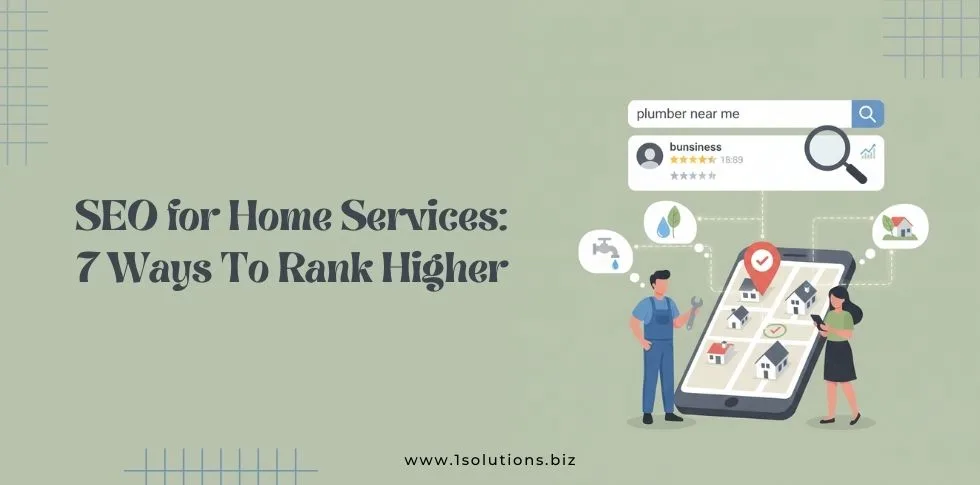
Technical SEO in Competitive Trade Markets
Trade based industries such as plumbing operate in highly competitive geographic landscapes. Companies investing in SEO for Plumbers must ensure that technical optimization supports.
- Efficient crawling of service pages
- Proper indexing of location specific content
- Clear internal linking between services and service areas
- Consistent local signals across the site
In these markets, small technical inefficiencies can significantly impact lead flow. If service pages are not properly indexed or optimized for location intent, visibility declines despite strong demand.
Strategic Impact
Technical performance is not a secondary consideration in local search. It directly influences
- Map pack eligibility
- Organic placement
- User engagement
- Conversion rates
For local businesses, technical SEO functions as an acquisition enabler. When infrastructure, content, and local signals operate cohesively, organizations are positioned to capture high intent traffic and convert search demand into measurable revenue growth.
Technical SEO for Ecommerce Websites
Ecommerce platforms operate within highly complex digital infrastructures. Unlike brochure style websites, online stores must manage thousands, and in some cases millions, of dynamically generated URLs.
This structural complexity introduces significant technical SEO challenges that, if not governed effectively, can suppress visibility and revenue performance.
Search engines such as Google allocate crawl resources strategically. When ecommerce architecture is inefficient, critical product and category pages may receive limited crawl attention, while low value parameterized URLs consume disproportionate crawl budget.
Below are the most common structural challenges in ecommerce environments.
1. Faceted Navigation
Faceted navigation allows users to filter products by attributes such as size, color, price, or brand. While valuable for user experience, it can generate an exponential number of URL combinations.
Without proper controls, this leads to
- Excessive crawl paths
- Duplicate or near duplicate content
- Diluted ranking signals
- Index bloat
Strategic handling through canonicalization, noindex directives, or parameter management is essential to maintain index integrity.
2. Product Filtering Parameters
Query parameters created by sorting and filtering functions often produce alternative versions of the same page. If search engines index these variations, authority signals may fragment across multiple URLs rather than consolidating around a primary version.
Clear parameter handling guidelines and canonical alignment prevent unnecessary duplication.
3. Pagination
Large category pages frequently rely on pagination to organize inventory. Improper pagination implementation can create
- Orphaned product pages
- Weak internal linking
- Crawl inefficiencies
A structured internal linking strategy ensures product discovery while preserving category level authority.
4. Duplicate Product URLs
- Duplicate URLs commonly arise from
- Multiple category paths leading to the same product
- Tracking parameters
- Session IDs
- HTTP and HTTPS inconsistencies
Without precise canonicalization, search engines may struggle to determine the preferred version of a product page, weakening its ability to rank competitively.
5. Large Scale Indexing
Ecommerce sites must balance visibility with quality control. Indexing every auto generated page can result in
- Thin content pages
- Out of stock product URLs
- Low value search variations
Effective index management ensures that only high intent, revenue generating pages are prioritized.
The Importance of Canonicalization and Crawl Efficiency
Improper canonical implementation or inefficient crawl pathways can dilute ranking signals across thousands of URLs. When link equity, relevance, and authority are distributed inconsistently, performance declines at scale.
Optimized crawl management ensures that
- High margin product pages are consistently discovered
- Seasonal inventory updates are reflected promptly
- Category structures pass authority efficiently
Strategic Implications for Online Retailers
Businesses operating ecommerce platforms often require specialized Ecommerce SEO Services to manage technical scalability. The objective is not simply to increase traffic, but to align technical architecture with revenue priorities.
In ecommerce environments, technical precision directly influences
- Product visibility
- Conversion rates
- Inventory turnover
- Return on advertising spend
At scale, minor technical inefficiencies compound rapidly. Conversely, disciplined technical governance transforms site architecture into a competitive advantage, ensuring sustainable growth and measurable profitability.
The Technical SEO Audit Process
A Technical SEO audit provides a comprehensive evaluation of a website’s structural integrity, crawl efficiency, and performance readiness. It identifies operational gaps, mitigates risk exposure, and uncovers scalable growth opportunities.
Search engines such as Google assess websites through automated systems that prioritize accessibility, performance, and technical clarity. A structured audit ensures your digital infrastructure aligns with these evaluation standards.
Below is an expanded overview of the core components of a comprehensive Technical SEO audit.
1. Full Website Crawl
A full scale crawl simulates how search engine bots navigate the site. Using enterprise grade crawling tools, the audit evaluates
- Broken internal and external links
- Redirect chains and loops
- Server response errors
- Orphaned pages
- Duplicate title tags and meta descriptions
This process exposes structural inefficiencies that may restrict crawl coverage or dilute ranking signals.
2. Index Coverage Analysis
Index coverage analysis determines which pages are eligible to appear in search results and which are excluded.
This review identifies
- Accidental noindex directives
- Blocked resources in robots.txt
- Incorrect canonical tags
- Duplicate URLs competing for indexation
Data from platforms such as Google Search Console provides visibility into crawl status, index trends, and page level errors. The objective is to ensure that high value, revenue generating pages are prioritized within the index.
3. Core Web Vitals Assessment
Performance is a ranking and user experience signal. A Core Web Vitals evaluation measures
- Largest Contentful Paint
- Interaction to Next Paint
- Cumulative Layout Shift
The audit identifies render blocking scripts, oversized media assets, inefficient code execution, and hosting constraints that may hinder performance. Improvements in these metrics typically enhance both search visibility and conversion rates.
4. Mobile Usability Testing
With mobile first indexing as the prevailing standard, mobile optimization is non-negotiable.
This assessment validates
- Responsive design consistency
- Viewport configuration
- Touch element spacing
- Content parity across devices
Usability barriers can directly affect crawl interpretation and user engagement metrics.
5. Security Review
Security is foundational to trust and ranking stability. The audit confirms
- HTTPS implementation
- Mixed content issues
- Certificate validity
- Redirect accuracy between HTTP and HTTPS
Any security inconsistencies may erode user confidence and weaken technical trust signals.
6. Structured Data Validation
Structured data enhances contextual clarity and search feature eligibility.
Schema markup is tested to ensure
- Accurate implementation
- Compliance with search engine guidelines
- Eligibility for enhanced search features
Errors or incomplete markup can prevent rich result opportunities and limit visibility enhancements.
7. Competitive Benchmarking
A strategic audit extends beyond internal diagnostics. Competitive benchmarking evaluates
- Site speed comparisons
- Indexation scale
- Content depth
- Technical authority signals
By comparing performance metrics against industry leaders, organizations can identify gaps and prioritize high impact improvements.
Strategic Outcome
A Technical SEO audit does not merely identify issues. It delivers a prioritized roadmap aligned with business objectives. Recommendations are typically categorized by impact level, implementation complexity, and resource allocation.
When executed systematically, an audit provides
- Improved crawl efficiency
- Enhanced index accuracy
- Stronger performance metrics
- Reduced technical risk
- Scalable organic growth
In enterprise environments, technical audits function as a governance mechanism. They ensure that infrastructure, user experience, and search visibility operate cohesively to support measurable and sustainable digital performance.
When to Invest in Professional Technical SEO
Professional expertise becomes necessary when:
- Traffic declines without explanation
- Website migrations occur
- Large ecommerce platforms require optimization
- Crawl errors persist
- Page speed remains poor
- Complex architecture limits scalability
Experienced SEO professionals use enterprise-grade tools and advanced diagnostics to uncover hidden issues.
The goal is not simply to resolve errors but to engineer a resilient digital ecosystem aligned with long-term business objectives.
Business Impact of Technical SEO
Technical SEO is not merely an operational exercise. It is a revenue enabling discipline that directly influences visibility, acquisition, and conversion performance. When infrastructure aligns with search engine requirements, measurable outcomes follow.
Search engines such as Google reward websites that demonstrate accessibility, speed, structural clarity, and technical reliability. The cumulative effect of these improvements translates into tangible business growth.
Improved Indexing Increases Visibility
When critical pages are properly crawled and indexed, they become eligible to compete in search results.
Accurate indexation ensures that
- High value service pages are discoverable
- Product pages rank for transactional queries
- Location specific content appears in relevant markets
Without proper indexing, even high quality content remains invisible.
Greater Visibility Generates Organic Traffic
Expanded search visibility increases impressions across relevant queries. As ranking positions improve, click through rates rise, resulting in consistent organic traffic growth.
Unlike paid media, organic traffic compounds over time. Once technical barriers are removed, visibility gains often produce sustainable acquisition without incremental advertising spend.
Qualified Traffic Supports Lead Generation and Sales
Organic search captures users at various stages of intent, including high intent transactional queries. Visitors arriving through search often demonstrate immediate problem awareness and purchase readiness.
Technical optimization ensures that
- Landing pages load quickly
- Navigation is intuitive
- Calls to action are accessible
- Conversion pathways are frictionless
The alignment between user intent and technical performance directly impacts lead quality and sales outcomes.
High Intent Users Require Technical Precision
Organic search consistently delivers users actively seeking solutions. However, capturing and retaining that opportunity requires seamless execution.
If pages load slowly, render improperly on mobile devices, or generate security warnings, users disengage. Technical SEO protects the value of high intent traffic by preserving usability and trust.
Performance Enhancements Strengthen Engagement
Speed, stability, and structural clarity reduce bounce rates and increase session duration. Improved technical performance supports
- Higher engagement metrics
- More page views per session
- Greater conversion rates
These behavioral improvements reinforce ranking signals and amplify overall performance.
Direct Contribution to Revenue Growth
Technical SEO strengthens the entire acquisition funnel
- Discovery through improved indexing
- Acquisition through enhanced visibility
- Engagement through optimized performance
- Conversion through seamless user experience
At scale, incremental technical improvements produce compounding returns. Enhanced crawl efficiency, accurate indexation, and optimized performance collectively drive sustained organic growth.
In competitive markets, technical precision is not optional. It is a strategic investment that directly contributes to revenue expansion, customer acquisition efficiency, and long term digital resilience.
Long-Term Strategic Value
Unlike paid advertising campaigns, technical improvements provide lasting returns.
Once optimized, websites:
- Scale more efficiently
- Index new content faster
- Maintain ranking stability
- Provide superior user experiences
Technical SEO builds resilience against algorithm updates and competitive pressure.
It is an investment in infrastructure, not a short-term tactic.
Frequently Asked Questions
What is Technical SEO in simple terms?
It improves the backend structure of a website so search engines can crawl, index, and rank pages effectively.
How long does Technical SEO take to show results?
Initial improvements may appear within weeks, but meaningful ranking gains typically require several months.
Is Technical SEO important for small businesses?
Yes. It ensures service pages are discoverable, mobile-friendly, secure, and optimized for local search.
Can Technical SEO improve conversions?
Absolutely. Faster load times and improved usability reduce bounce rates and increase engagement.
When should a Technical SEO audit be performed?
After redesigns, migrations, traffic declines, or major updates.
Conclusion
Technical SEO is the backbone of sustainable search performance.
It ensures search engines can crawl, interpret, and rank your website efficiently. Without it, even the strongest content and backlink strategies may underperform.
By strengthening crawlability, indexability, speed, security, mobile usability, and structured data implementation, businesses create a reliable foundation for scalable growth.
For organizations committed to long-term organic visibility and measurable ROI, Technical SEO is not optional-it is a strategic imperative.











 in India