





































































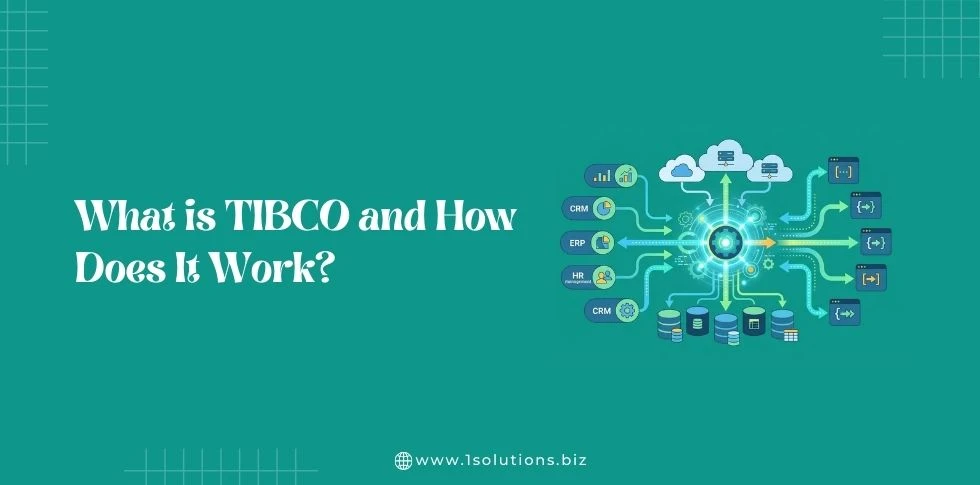
TIBCO is a powerful technology platform that helps businesses connect different systems, applications, and data sources. Think of it as a digital bridge that allows various software programs to talk to each other seamlessly. For companies managing multiple applications and databases, TIBCO provides the integration backbone that keeps everything working together smoothly.
Many businesses today face the challenge of having different systems that don’t communicate well with each other. TIBCO solves this problem by creating a unified environment where data flows freely between applications. This integration capability makes TIBCO an essential tool for modern digital transformation initiatives.
Whether you’re running an e-commerce platform, managing customer data, or coordinating supply chain operations, TIBCO can help streamline your business processes. The platform offers real-time data processing, event-driven architecture, and comprehensive integration services that support business growth and efficiency.
Understanding TIBCO’s Core Purpose
TIBCO stands for The Information Bus Company, which perfectly describes its primary function. The platform acts as an information highway that connects disparate systems within an organization. This connection enables businesses to break down data silos and create more cohesive operational workflows.
The main purpose of TIBCO is to facilitate real-time data integration and processing. Unlike traditional batch processing systems that handle data in chunks at scheduled intervals, TIBCO processes information as it happens. This real-time capability gives businesses immediate insights and faster response times to market changes.
TIBCO also serves as a middleware solution, sitting between different applications and databases to manage data flow. This positioning allows organizations to modernize their IT infrastructure without completely replacing existing systems. Companies can gradually update their technology stack while maintaining operational continuity.
For businesses focused on digital growth, TIBCO provides the foundation for scalable operations. Just as SEO strategies that work best for startups require a solid technical foundation, TIBCO creates the infrastructure needed for enterprise-level data management and integration.
Key Components of TIBCO Platform
TIBCO BusinessWorks
TIBCO BusinessWorks is the integration engine that powers most TIBCO implementations. This component handles the actual movement and transformation of data between different systems. BusinessWorks uses a visual development environment that makes it easier for developers to create and manage integration workflows.
The platform supports various communication protocols and data formats, making it versatile enough to work with legacy systems and modern applications. BusinessWorks can handle everything from simple file transfers to complex business process orchestration across multiple systems.
For businesses implementing new web technologies, BusinessWorks integrates well with modern frameworks. Companies using Next.js development services can leverage TIBCO to connect their web applications with backend systems and databases.
TIBCO Enterprise Message Service
The Enterprise Message Service (EMS) component handles message queuing and delivery within TIBCO environments. EMS ensures that data messages are delivered reliably between systems, even when network issues or system outages occur.
This messaging system supports both point-to-point and publish-subscribe communication patterns. Point-to-point messaging sends data directly from one system to another, while publish-subscribe allows multiple systems to receive the same information simultaneously.
EMS also provides message persistence, which means important data won’t be lost if a system goes offline temporarily. This reliability is crucial for businesses that can’t afford data loss or processing delays.
TIBCO Administrator
TIBCO Administrator is the management console that allows IT teams to monitor and control TIBCO environments. This component provides real-time visibility into system performance, message flows, and potential issues that need attention.
The Administrator interface includes tools for configuring security settings, managing user access, and setting up monitoring alerts. IT teams can use these features to maintain system reliability and quickly respond to any problems that arise.
Performance monitoring through TIBCO Administrator helps identify bottlenecks and optimization opportunities. This monitoring capability is similar to how businesses need to track their technical SEO performance to identify and fix issues that might affect their online visibility.
How TIBCO Architecture Works
Event-Driven Processing
TIBCO operates on an event-driven architecture where actions trigger automatic responses throughout the system. When something happens in one application, TIBCO can immediately notify other connected systems and initiate appropriate actions.
This event-driven approach enables real-time business processes that respond instantly to changing conditions. For example, when a customer places an order online, TIBCO can simultaneously update inventory systems, trigger shipping processes, and send confirmation messages.
The platform uses message-oriented middleware to handle these events efficiently. Messages contain both data and instructions about what actions to take, allowing systems to process information without requiring constant manual intervention.
Service-Oriented Architecture Integration
TIBCO supports service-oriented architecture (SOA) principles by treating different business functions as discrete services that can be combined and reused. This modular approach makes it easier to modify business processes without disrupting the entire system.
Services within TIBCO can be called by multiple applications simultaneously, reducing redundancy and improving consistency across business operations. This shared service model also makes it easier to maintain and update business logic in one central location.
The platform includes tools for service discovery and governance, helping organizations manage their growing collection of business services. These governance features ensure that services remain consistent and reliable as the business scales.
Data Transformation and Routing
TIBCO includes powerful data transformation capabilities that convert information between different formats as it moves through the system. This transformation ensures that each receiving application gets data in the format it expects, regardless of how the source system stores it.
The platform can handle complex data routing scenarios where information needs to be sent to multiple destinations based on specific criteria. For instance, high-value orders might be routed to special processing queues while standard orders follow normal workflows.
Content-based routing allows TIBCO to make intelligent decisions about where to send data based on the actual content of messages. This capability enables sophisticated business rules that can adapt to changing conditions automatically.
TIBCO Implementation Process
Planning and Assessment
Successful TIBCO implementation starts with thorough planning and system assessment. Organizations need to identify all the systems that require integration and understand the current data flows between them.
The assessment phase includes mapping existing business processes and identifying integration points where TIBCO can add value. This mapping helps prioritize integration projects and establish realistic timelines for implementation.
Stakeholder engagement during planning ensures that all business requirements are captured and addressed. Technical teams, business users, and management need to collaborate to define success criteria and implementation priorities.
Similar to how businesses need comprehensive planning for their digital marketing services, TIBCO implementation requires careful coordination between technical and business teams to achieve desired outcomes.
Development and Configuration
The development phase involves creating integration workflows using TIBCO’s visual development tools. Developers design message flows that define how data moves between systems and what transformations occur along the way.
Configuration includes setting up connection parameters for each system that will participate in the integration. This setup involves defining security credentials, communication protocols, and data mapping rules.
Testing is a critical part of the development process, requiring both unit testing of individual components and integration testing of complete workflows. Testing helps identify potential issues before the system goes into production.
Deployment and Monitoring
Deployment involves moving the developed integration solutions from development environments to production systems. This process requires careful coordination to minimize disruption to ongoing business operations.
Post-deployment monitoring ensures that integration workflows are performing as expected and meeting business requirements. TIBCO provides comprehensive monitoring tools that track message volumes, processing times, and error rates.
Ongoing maintenance includes updating integration workflows as business requirements change and optimizing performance based on monitoring data. Regular maintenance keeps the TIBCO environment running smoothly and efficiently.
Benefits of Using TIBCO
Improved Operational Efficiency
TIBCO eliminates manual data entry and reduces the time spent moving information between systems. Automated integration workflows handle routine tasks, freeing up employees to focus on more strategic activities that drive business growth.
Real-time data processing means that business decisions can be based on current information rather than outdated reports. This immediacy helps organizations respond faster to market opportunities and customer needs.
Standardized integration processes reduce the complexity of managing multiple system connections. Instead of maintaining dozens of point-to-point connections, organizations can manage everything through the TIBCO platform.
Enhanced Data Quality and Consistency
TIBCO’s data transformation capabilities help ensure that information remains consistent across all connected systems. Automated validation rules can catch and correct data quality issues before they propagate through the organization.
Centralized data processing through TIBCO reduces the risk of data synchronization errors that often occur when systems update information independently. All systems receive updates simultaneously, maintaining data consistency.
The platform includes data cleansing and enrichment features that improve the overall quality of organizational data. Better data quality leads to more accurate reporting and better business insights.
Just as businesses benefit from finding and fixing broken internal links to improve their website performance, TIBCO helps organizations identify and resolve data quality issues that can impact business operations.
Scalability and Flexibility
TIBCO architecture scales horizontally to handle increasing data volumes and transaction loads. Organizations can add more processing capacity without redesigning their entire integration infrastructure.
The platform supports both cloud and on-premises deployments, giving organizations flexibility in how they implement and manage their integration environment. Hybrid deployments allow gradual migration to cloud services while maintaining existing on-premises systems.
Component-based architecture makes it easy to add new systems and modify existing integration workflows without disrupting other parts of the environment. This flexibility supports business growth and technology evolution.
TIBCO Use Cases Across Industries
Financial Services
Financial institutions use TIBCO to integrate trading systems, risk management platforms, and regulatory reporting systems. Real-time data processing enables faster trading decisions and better risk monitoring across the organization.
The platform helps banks connect core banking systems with customer-facing applications, providing unified customer experiences across multiple channels. This integration supports omnichannel banking strategies that meet modern customer expectations.
Regulatory compliance is simplified through automated data collection and reporting workflows. TIBCO can gather required information from multiple systems and format it according to regulatory requirements automatically.
Healthcare
Healthcare organizations use TIBCO to integrate electronic health records, billing systems, and clinical applications. This integration improves patient care by giving healthcare providers complete access to patient information when they need it.
The platform supports healthcare interoperability standards like HL7 and FHIR, enabling seamless data exchange between different healthcare systems and organizations.
Real-time monitoring capabilities help healthcare facilities track patient flow, resource utilization, and clinical outcomes. This visibility enables better operational decision-making and improved patient care quality.
E-commerce and Retail
E-commerce businesses use TIBCO to integrate online stores with inventory management, order fulfillment, and customer service systems. This integration ensures accurate product availability information and smooth order processing.
The platform connects point-of-sale systems with inventory and customer databases, providing real-time visibility into sales performance and inventory levels across multiple locations.
Customer data integration through TIBCO enables personalized marketing campaigns and better customer service experiences. Similar to how businesses optimize their local SEO services to improve customer visibility, TIBCO helps create better customer experiences through integrated data management.
TIBCO vs Other Integration Platforms
Comparison with MuleSoft
TIBCO and MuleSoft both provide comprehensive integration capabilities, but they differ in their architectural approaches. TIBCO focuses on event-driven architecture and real-time processing, while MuleSoft emphasizes API-led connectivity and cloud-native design.
TIBCO has stronger capabilities for complex event processing and real-time analytics, making it better suited for industries that require immediate response to changing conditions. MuleSoft excels in API management and cloud integration scenarios.
Both platforms support hybrid cloud deployments, but MuleSoft has stronger native cloud integration features. Organizations choosing between them should consider their specific integration requirements and existing technology infrastructure.
Comparison with Microsoft BizTalk
TIBCO offers more advanced real-time processing capabilities compared to Microsoft BizTalk, which traditionally focuses on batch processing and document transformation. TIBCO’s event-driven architecture provides better support for immediate business process automation.
BizTalk integrates well with other Microsoft technologies and may be a better choice for organizations heavily invested in the Microsoft ecosystem. TIBCO provides more vendor-neutral integration capabilities that work equally well with different technology platforms.
Performance and scalability favor TIBCO for high-volume, real-time processing scenarios. BizTalk may be sufficient for organizations with moderate integration requirements and existing Microsoft infrastructure.
Implementation Challenges and Solutions
Common Technical Challenges
Complex system landscapes can make TIBCO implementation challenging, especially when dealing with legacy systems that use outdated communication protocols or data formats. These challenges require careful planning and sometimes custom adapter development.
Performance tuning can be complex in environments with high message volumes and strict latency requirements. Organizations need to carefully configure memory allocation, connection pooling, and message processing parameters to achieve optimal performance.
Security implementation requires coordination between TIBCO security features and existing organizational security policies. Proper authentication, authorization, and encryption setup is essential for protecting sensitive business data.
Organizational Change Management
User adoption can be challenging when TIBCO implementations change existing business processes. Training programs and change management initiatives help ensure that employees understand and embrace new integrated workflows.
Governance processes need to be established for managing integration development and deployment. Clear procedures for testing, approval, and deployment help maintain system reliability and prevent disruptions.
Stakeholder communication throughout the implementation process helps manage expectations and address concerns before they become major issues. Regular updates and demonstrations keep everyone informed about project progress.
These implementation challenges are similar to those faced when businesses try to improve their online presence. Just as companies need to address why Google isn’t indexing their pages, TIBCO implementations require systematic problem-solving and attention to detail.
Future of TIBCO Technology
Cloud-Native Evolution
TIBCO continues evolving toward cloud-native architectures that take advantage of modern cloud platforms and services. This evolution includes containerization, microservices architecture, and serverless computing integration.
The platform increasingly supports API-first integration approaches that align with modern application development practices. This shift makes it easier to integrate TIBCO with contemporary web applications and mobile services.
Multi-cloud support allows organizations to deploy TIBCO across different cloud providers, avoiding vendor lock-in and enabling flexible deployment strategies that meet specific business requirements.
Artificial Intelligence Integration
TIBCO incorporates artificial intelligence and machine learning capabilities to provide intelligent automation and predictive analytics. These AI features help organizations identify patterns in their data flows and optimize integration processes automatically.
Smart routing capabilities use machine learning to make better decisions about how to process and route messages based on historical patterns and current conditions. This intelligence reduces manual configuration requirements and improves system efficiency.
Predictive maintenance features can identify potential system issues before they cause problems, enabling proactive maintenance that prevents integration disruptions.
Similar to how businesses are exploring AI SEO strategies to improve their search rankings, TIBCO’s AI integration helps organizations optimize their integration processes and business operations.
Edge Computing Support
TIBCO increasingly supports edge computing scenarios where data processing needs to happen closer to where data is generated. This capability is important for IoT implementations and real-time industrial applications.
Distributed processing capabilities allow TIBCO to coordinate between central data centers and edge locations, ensuring that data flows efficiently across the entire infrastructure.
Low-latency processing at the edge enables immediate responses to critical events, while still maintaining central coordination and oversight of distributed operations.
Choosing TIBCO for Your Business
When TIBCO Makes Sense
Organizations with complex integration requirements that involve real-time data processing should consider TIBCO. The platform excels in scenarios where immediate response to business events is critical for operational success.
Companies managing multiple disparate systems that need to work together seamlessly can benefit from TIBCO’s comprehensive integration capabilities. This is especially true for organizations that can’t replace legacy systems but need them to participate in modern business processes.
Businesses focused on digital transformation initiatives that require reliable, scalable integration infrastructure will find TIBCO provides the foundation needed for success. The platform supports both current integration needs and future expansion requirements.
Getting Started with TIBCO
Starting with TIBCO requires careful assessment of current system landscape and integration requirements. Organizations should identify their most critical integration challenges and prioritize them for initial implementation phases.
Proof of concept projects help validate TIBCO’s fit for specific use cases and organizational requirements. These limited-scope projects provide valuable experience before committing to larger implementation efforts.
Partner selection is important for successful TIBCO implementation. Organizations should choose implementation partners with relevant industry experience and proven track records with similar integration projects.
Training and skill development ensure that internal teams can maintain and extend TIBCO implementations over time. Investing in employee education pays dividends in long-term system reliability and effectiveness.
For businesses looking to improve their digital presence alongside system integration, working with experienced partners is crucial. Companies like 1Solutions provide comprehensive SEO services that complement technology integration efforts and help businesses maximize their online potential.
Best Practices for TIBCO Success
Design Principles
Successful TIBCO implementations follow design principles that emphasize modularity, reusability, and maintainability. Creating reusable components reduces development time and ensures consistency across different integration projects.
Error handling strategies should be built into every integration workflow from the beginning. Proper error handling prevents system failures from cascading and provides clear information about what went wrong when issues occur.
Documentation standards help ensure that integration workflows remain understandable and maintainable over time. Well-documented integrations are easier to troubleshoot and modify as business requirements change.
Performance Optimization
Regular performance monitoring helps identify bottlenecks and optimization opportunities before they impact business operations. Proactive monitoring prevents small issues from becoming major problems.
Resource allocation should be optimized based on actual usage patterns rather than theoretical requirements. Monitoring real-world performance helps identify where additional resources are needed and where they can be reduced.
Message optimization reduces network traffic and processing overhead by eliminating unnecessary data from integration workflows. Efficient message design improves overall system performance and reduces infrastructure costs.
These optimization practices parallel the importance of technical SEO audits for e-commerce sites, where attention to technical details directly impacts business performance and user experience.
TIBCO Support and Community
Official Support Resources
TIBCO provides comprehensive support resources including documentation, knowledge bases, and technical support services. These resources help organizations resolve issues quickly and implement best practices for their specific use cases.
Training programs and certification courses help developers and administrators build the skills needed to work effectively with TIBCO platforms. Certified professionals are better equipped to design, implement, and maintain complex integration environments.
Professional services from TIBCO and certified partners provide additional expertise for complex implementation projects. These services can accelerate implementation timelines and help avoid common pitfalls.
Community Resources
User communities and forums provide peer-to-peer support and knowledge sharing among TIBCO users. These communities are valuable resources for troubleshooting issues and learning about innovative use cases.
Third-party tools and extensions developed by the community can enhance TIBCO functionality and address specific integration challenges. Community contributions help extend platform capabilities beyond standard features.
Industry events and user conferences provide opportunities to learn about new features, best practices, and innovative implementations. These events also facilitate networking with other TIBCO users and industry experts.
TIBCO represents a mature, powerful platform for enterprise integration that can transform how organizations manage their data flows and business processes. By providing real-time integration capabilities, comprehensive data transformation tools, and scalable architecture, TIBCO enables businesses to break down information silos and create more efficient operations.
The platform’s event-driven architecture and support for modern cloud technologies make it well-positioned for future business needs. Organizations that invest in TIBCO implementation can expect improved operational efficiency, better data quality, and enhanced ability to respond quickly to changing market conditions.
Success with TIBCO requires careful planning, proper implementation, and ongoing optimization. Businesses that approach TIBCO implementation strategically and invest in proper training and support will realize significant benefits from their integration initiatives.
For organizations looking to maximize their digital transformation efforts, combining robust integration platforms like TIBCO with comprehensive digital marketing strategies creates a powerful foundation for growth. 1Solutions offers expert guidance in both technical implementation and digital marketing optimization to help businesses achieve their growth objectives through integrated technology solutions.
Frequently Asked Questions
What makes TIBCO different from other integration platforms?
TIBCO stands out through its event-driven architecture and real-time processing capabilities. Unlike batch-processing systems that handle data at scheduled intervals, TIBCO processes information as events happen, enabling immediate business responses. The platform also offers comprehensive message-oriented middleware that ensures reliable data delivery between systems, even during network issues or outages.
How long does it typically take to implement TIBCO?
TIBCO implementation timelines vary based on project complexity and organizational requirements. Simple integration projects might take 3-6 months, while comprehensive enterprise implementations can require 12-18 months or more. The timeline depends on factors like the number of systems being integrated, complexity of business processes, and availability of technical resources. Proper planning and experienced implementation partners can help accelerate deployment schedules.
What are the main costs associated with TIBCO?
TIBCO costs include software licensing, implementation services, training, and ongoing maintenance. Licensing costs vary based on the specific components needed and deployment size. Implementation costs depend on project complexity and whether you use internal resources or external consultants. Organizations should also budget for training, infrastructure, and ongoing support to ensure successful long-term adoption.
Can TIBCO integrate with cloud applications?
Yes, TIBCO supports extensive cloud integration capabilities including connections to major cloud platforms like AWS, Azure, and Google Cloud. The platform can integrate SaaS applications, cloud databases, and cloud-native services with on-premises systems. TIBCO also offers cloud-native deployment options that take advantage of modern cloud infrastructure for scalability and reliability.
What technical skills are needed to work with TIBCO?
TIBCO requires skills in integration design, message-oriented middleware, and business process modeling. Developers need experience with TIBCO’s visual development tools and understanding of integration patterns like publish-subscribe messaging and event-driven architecture. Knowledge of data transformation, XML/JSON processing, and web services is also valuable. TIBCO offers certification programs to help professionals develop these specialized skills.
How does TIBCO handle security and data protection?
TIBCO provides comprehensive security features including message encryption, authentication, and authorization controls. The platform supports industry-standard security protocols and can integrate with existing enterprise security systems. Data protection features include message persistence, transaction management, and audit logging. Organizations can implement role-based access controls and configure security policies that meet their specific compliance requirements.
What happens if TIBCO systems experience downtime?
TIBCO includes built-in fault tolerance and recovery mechanisms to minimize downtime impact. Message persistence ensures that data isn’t lost during system outages, while clustering capabilities provide redundancy for critical integration workflows. The platform can automatically failover to backup systems and resume processing when systems come back online. Proper implementation includes disaster recovery planning and backup procedures to ensure business continuity.











 in India