


































































Link building remains one of the most critical factors for search engine optimization success. Despite algorithm updates and changing digital landscapes, high-quality backlinks continue to signal authority and trustworthiness to search engines. The strategies that work in 2026 focus on relationship building, value creation, and authentic connections rather than manipulative tactics.
This comprehensive guide explores 15 proven link building methods that deliver results in today’s competitive environment. These techniques emphasize quality over quantity and sustainable growth over quick fixes.
1. Resource Page Link Building
Resource pages serve as curated lists of valuable tools, guides, and references within specific industries. These pages naturally attract links and provide excellent opportunities for businesses to secure relevant backlinks.
To leverage this method effectively, identify resource pages in your niche using search operators like “keyword + resources” or “keyword + useful links.” Reach out to page owners with genuinely helpful content that adds value to their existing collection.
Success with resource page link building requires offering content that genuinely benefits the target audience. Your pitch should clearly explain how your resource improves the existing page and provides additional value to visitors.
2. Guest Posting on Industry-Relevant Sites
Guest posting remains a powerful link building strategy when executed properly. Securing high-quality guest post placements involves identifying authoritative sites that accept contributions and creating valuable content for their audiences.
Focus on websites with engaged audiences, strong domain authority, and editorial standards. Avoid guest post networks or low-quality sites that exist solely for link building purposes. Quality publications often have detailed guidelines and review processes.
Create content that provides genuine value to the host site’s readers. Your guest posts should educate, inform, or solve problems rather than overtly promote your business. This approach builds lasting relationships with publishers and increases chances of future collaboration.
3. Digital PR and Newsworthy Content
Digital PR focuses on creating newsworthy content that naturally attracts media attention and backlinks. This method involves developing stories, research, or commentary that journalists and bloggers want to reference and cite.
Successful digital PR campaigns often include original research, industry surveys, expert commentary on trending topics, or unique data insights. These content types provide value to journalists who need credible sources and expert opinions for their articles.
Building relationships with journalists and industry reporters increases your chances of earning coverage. Tools like HARO (Help a Reporter Out) connect businesses with journalists seeking expert sources for their stories.
4. Broken Link Building
Broken link building identifies non-functioning links on relevant websites and suggests replacement content. This method provides value to website owners while creating link opportunities for your business.
Use tools like Ahrefs, SEMrush, or free browser extensions to find broken links on industry websites. Focus on high-authority sites where broken links appear in relevant contexts that match your content offerings.
When reaching out about broken links, provide specific information about the broken URL and offer a suitable replacement. Your suggested content should closely match the original resource in topic and quality to increase acceptance rates.
5. Content-Based Link Attraction
Creating exceptional content that naturally attracts links represents the most sustainable approach to link building. This method focuses on producing resources so valuable that other websites want to reference and cite them organically.
High-performing content types include comprehensive guides, original research, interactive tools, infographics, and case studies. These formats provide significant value to readers and serve as reference materials for other content creators.
Promotion plays a crucial role in content-based link attraction. Share your content across social media, email newsletters, and industry communities to increase visibility and discovery by potential linking partners.
6. Local Business Partnerships and Sponsorships
Local partnerships create natural link opportunities while building community connections. These relationships often result in mentions, citations, and backlinks from local business directories, chambers of commerce, and community organizations.
Consider sponsoring local events, joining business associations, or partnering with complementary businesses in your area. These activities generate authentic local citations that improve both general SEO and local search visibility.
Document your community involvement through press releases, social media, and website updates. Local media outlets often cover business partnerships and community activities, providing additional link opportunities.
7. Industry Expert Roundups
Expert roundups compile insights from multiple industry professionals on specific topics. These collaborative content pieces attract links from participating experts and provide valuable perspectives to readers.
Create roundup posts by identifying relevant topics and reaching out to industry experts for their opinions. Successful roundups typically include 10-20 expert contributions with actionable insights and unique perspectives.
Participating in other websites’ expert roundups also creates link opportunities. Monitor industry publications for roundup opportunities and contribute thoughtful, valuable responses when appropriate.
8. Building Links Through Internal Link Optimization
While focusing on external backlinks, don’t overlook the power of internal linking. Using internal links strategically can amplify the impact of your external backlinks by distributing authority throughout your website.
Create topic clusters and pillar pages that naturally support each other through internal links. This structure helps search engines understand your content relationships and can improve the performance of pages that receive external backlinks.
Audit your existing internal link structure to identify opportunities for improvement. Tools like Screaming Frog or Sitebulb can help analyze your current internal linking patterns and suggest optimizations.
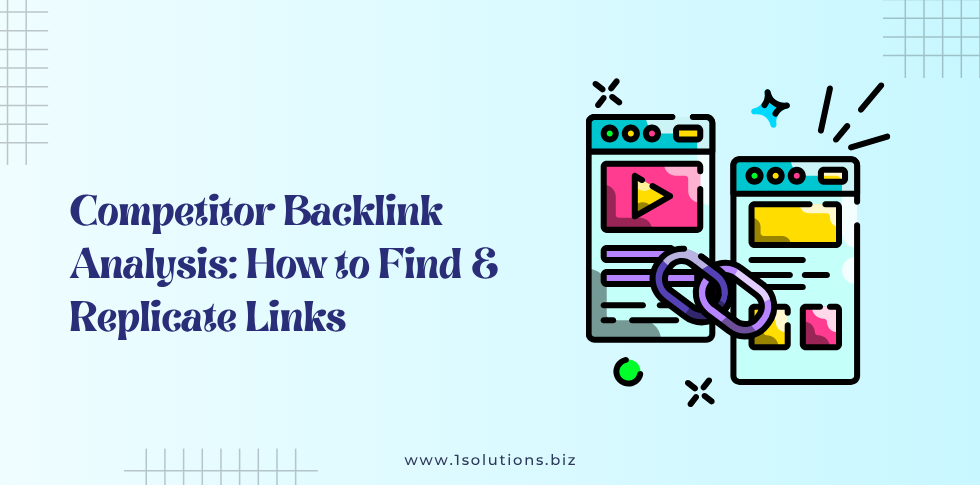
9. Competitor Backlink Analysis
Analyzing competitor backlinks reveals link opportunities that you might otherwise miss. This research helps identify websites that link to similar businesses and content in your industry.
Use tools like Ahrefs, SEMrush, or Moz to analyze competitor backlink profiles. Look for patterns in the types of sites linking to competitors and identify opportunities where you could also earn links.
Focus on replicable link opportunities rather than one-time placements. Resource pages, industry directories, and guest posting opportunities often accept multiple submissions from different businesses in the same industry.
10. Creating Linkable Assets
Linkable assets are pieces of content specifically designed to attract backlinks. These resources provide significant value and serve as reference materials that other websites want to cite and link to.
Effective linkable assets include industry reports, statistical compilations, tool directories, template collections, and comprehensive guides. These content types solve problems and provide resources that other content creators frequently reference.
Promote your linkable assets through targeted outreach to relevant websites, industry publications, and content creators who might find them valuable. Personalized outreach performs better than mass email campaigns.
11. HARO and Source Opportunities
Help a Reporter Out (HARO) and similar platforms connect businesses with journalists seeking expert sources. These opportunities can result in high-authority backlinks from major publications and news outlets.
Success with HARO requires consistent participation and thoughtful responses. Monitor queries relevant to your expertise and provide detailed, quotable responses that journalists can easily incorporate into their articles.
Respond quickly to relevant queries, as journalists often work under tight deadlines. Provide complete information including your credentials and contact details to make the journalist’s job easier.
12. Social Media Profile Optimization
While social media links typically carry “nofollow” attributes, they still contribute to your overall online presence and can drive referral traffic. Optimizing profiles across various social media platforms creates multiple touchpoints for your brand.
Complete all profile sections with accurate business information, including your website URL. Use consistent branding and messaging across all platforms to reinforce your online identity.
Regular social media activity can lead to discovery by potential linking partners. Share valuable content, engage with industry conversations, and build relationships that may result in future link opportunities.
13. Product Reviews and Testimonials
Providing products for review or offering genuine testimonials for services you use can generate valuable backlinks. This method works particularly well for businesses with physical products or SaaS tools.
Identify relevant review sites, industry blogs, and YouTube channels that cover products in your category. Reach out with offers to provide products for honest review or case study opportunities.
When providing testimonials for services you genuinely use, ask if they include client testimonials on their website with backlinks. Many B2B companies feature customer success stories with links to client websites.
14. Building Industry Relationships
Long-term relationship building often produces the most sustainable link opportunities. Focus on developing genuine connections with industry peers, influencers, and content creators rather than transactional link exchanges.
Attend industry events, participate in online communities, and engage meaningfully with other professionals’ content. These relationships often result in natural mentions, guest posting opportunities, and collaborative projects.
Support others in your industry by sharing their content, providing testimonials, and making introductions when appropriate. This approach builds goodwill that often returns in the form of backlinks and referrals.
15. Local SEO and Citation Building
For businesses with physical locations, local citations and directory listings provide important backlink opportunities. These citations help with local search rankings and provide additional online visibility.
Focus on major directories like Google My Business, Yelp, and industry-specific platforms. Ensure consistency in your business name, address, and phone number across all citations to maximize SEO benefits.
Beyond basic directory listings, look for local business organizations, chamber of commerce websites, and community directories that provide link opportunities while supporting your local SEO efforts.
Best Practices for Safe Link Building
Successful link building in 2026 requires following best practices that align with search engine guidelines. Building links safely without triggering penalties involves focusing on quality, relevance, and natural acquisition patterns.
Avoid link schemes, paid link networks, and low-quality directories that exist solely for SEO purposes. These tactics can result in manual penalties that damage your search engine visibility.
Monitor your backlink profile regularly using tools like Google Search Console, Ahrefs, or SEMrush. Disavow low-quality or spammy links that you didn’t actively pursue to maintain a clean link profile.
Measuring Link Building Success
Track key metrics to evaluate your link building efforts and identify areas for improvement. Important metrics include the number of new referring domains, domain authority of linking sites, and organic search traffic growth.
Monitor rankings for target keywords to understand how new backlinks impact your search engine visibility. Use tools like Google Analytics and Google Search Console to track organic traffic and search performance changes.
Set realistic timelines for link building results. Most backlinks take several weeks or months to fully impact search engine rankings, so avoid making strategy changes too quickly based on short-term results.
Common Link Building Mistakes to Avoid
Understanding common link building mistakes helps you avoid strategies that waste time or potentially harm your website. Fixing failed link building approaches often requires shifting focus from quantity to quality.
Avoid generic outreach templates that don’t personalize messages for each recipient. Generic emails have low response rates and can damage your sender reputation with email providers.
Don’t neglect follow-up communications after initial outreach. Many successful link placements result from second or third contact attempts, as busy website owners may miss initial emails.
Adapting Link Building for Different Industries
Link building strategies vary significantly across different industries and competition levels. Building backlinks in both competitive and low-competition niches requires tailored approaches based on available opportunities and industry dynamics.
Highly competitive industries like finance, health, and legal services require more sophisticated strategies and higher-quality content to earn backlinks. These sectors also face stricter guidelines and scrutiny from search engines.
Local service businesses have different opportunities than national brands. Focus on local partnerships, community involvement, and geographic-specific content that resonates with your target market.
Future-Proofing Your Link Building Strategy
Successful link building strategies adapt to changing search engine algorithms and user behavior patterns. Focus on building genuine relationships and creating valuable content rather than exploiting temporary loopholes.
Stay informed about search engine guideline updates and industry best practices. Follow reputable SEO publications and attend industry conferences to stay current with link building trends and strategies.
Diversify your link acquisition methods rather than relying heavily on single tactics. A balanced approach using multiple strategies provides more stability and reduces risk from algorithm changes.
Frequently Asked Questions
How many backlinks do I need to rank higher in search results?
There’s no specific number of backlinks required for higher rankings. Quality matters more than quantity. A few high-authority, relevant backlinks often provide more SEO value than many low-quality links. Focus on earning links from authoritative websites in your industry rather than pursuing arbitrary link quantity targets.
How long does it take to see results from link building efforts?
Link building results typically appear within 3-6 months, though this varies based on competition levels, link quality, and other SEO factors. High-authority backlinks may show impact sooner, while lower-authority links might take longer to influence rankings. Patience and consistency are essential for successful link building campaigns.
Should I use paid link building services or build links myself?
Focus on earning links through valuable content and genuine relationships rather than purchasing links. Paid link schemes violate search engine guidelines and can result in penalties. If you outsource link building, ensure the agency follows white-hat practices and focuses on relationship building rather than manipulative tactics.
What’s the difference between dofollow and nofollow links?
Dofollow links pass authority from the linking site to your website and directly impact search engine rankings. Nofollow links don’t pass authority but still provide value through referral traffic and brand exposure. A natural backlink profile includes both types of links from various sources and contexts.
How do I know if my link building efforts are working?
Monitor key metrics including organic search traffic growth, keyword ranking improvements, and the number of new referring domains. Use tools like Google Search Console, Google Analytics, and SEO platforms to track progress. Also monitor brand mentions and referral traffic from new backlinks to gauge overall impact.
Can internal links help with my overall link building strategy?
Yes, internal links help distribute authority from high-value backlinks throughout your website and improve the overall impact of your external link building efforts. Strategic internal linking creates topic clusters that can enhance the performance of pages receiving new backlinks and improve site-wide authority.
What should I do if I receive low-quality backlinks I didn’t request?
Monitor your backlink profile regularly and identify potentially harmful links. Use Google’s Disavow Tool to tell search engines to ignore low-quality or spammy backlinks that you didn’t actively pursue. Focus on earning high-quality links that outweigh any negative impact from unwanted low-quality links.
Link building success in 2026 requires a strategic approach that prioritizes value creation, relationship building, and user experience. The methods outlined in this guide provide sustainable pathways to earning high-quality backlinks that improve search engine visibility and drive targeted traffic to your website.
Remember that effective link building takes time and consistent effort. Focus on creating valuable content, building genuine industry relationships, and following search engine guidelines to achieve long-term success. Building authority through comprehensive off-page SEO activities requires patience and strategic thinking rather than quick fixes or manipulative tactics.
Ready to implement a comprehensive link building strategy that drives results? We specializes in white-hat link building techniques that improve search engine rankings while building lasting industry relationships. Our team understands the nuances of different industries and creates customized approaches that align with your business goals and target audience needs. Contact us today to develop a link building strategy that positions your website for sustained organic growth and increased online visibility.






 in India